What Is Driving Austin Restaurant Closures on South Congress and the East Side
A corridor-by-corridor accounting of which restaurants closed since 2024, what they were paying in rent, and where their owners went next.

A corridor-by-corridor accounting of which restaurants closed since 2024, what they were paying in rent, and where their owners went next.
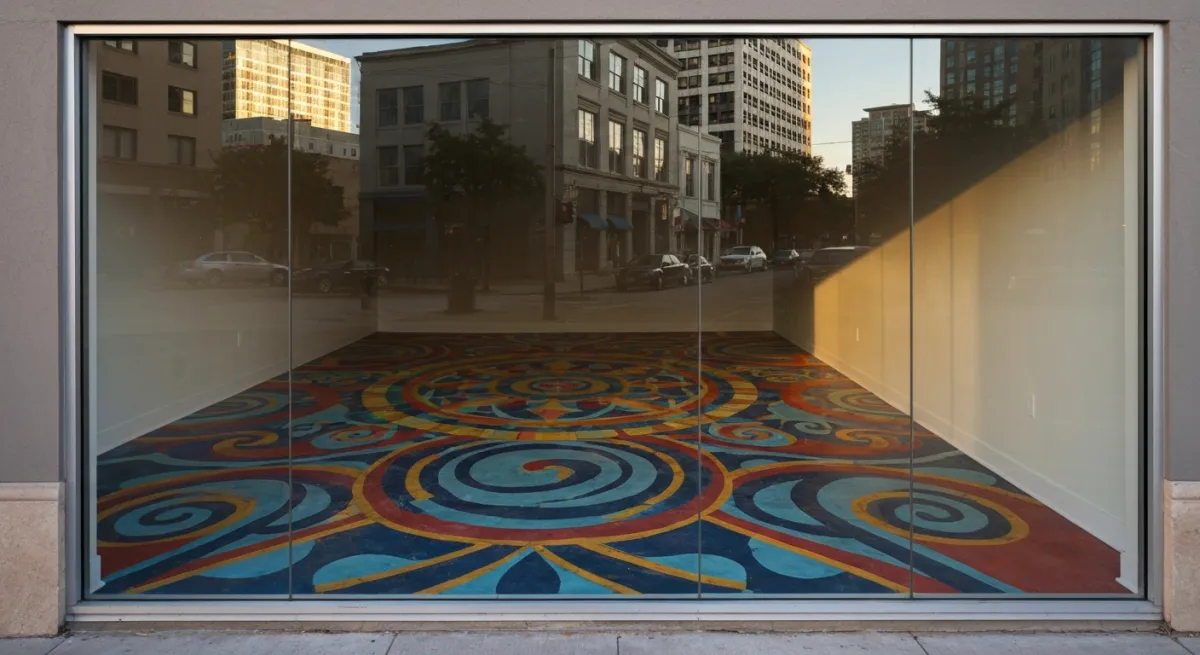
The storefront at 1417 South Congress has been empty since March. Through the plate glass you can still see the painted concrete floors. A handwritten cardboard sign covers the lower third of the window — the kind that usually signals a lease dispute rather than a planned departure. Three blocks north, scaffolding around a boutique hotel annex crowds the sidewalk where a taco counter used to run weekend lines down the block. On East 6th, between Waller Creek and Chicon, a Thai restaurant that spent nine years building a lunch following went dark in January with a two-paragraph Instagram post and a promise to “keep you posted” that hasn’t been updated since.
Since January 2024, Austin has logged one of the most concentrated waves of independent restaurant closures in its recent history, and they’ve hit hardest along the two corridors that spent the better part of a decade defining what locals meant when they talked about Austin’s food scene. The closures don’t stem from bad food or bad operators. Several of the restaurants that shuttered in the past eighteen months were among the most critically praised in the city. They stem from a mismatch between what Austin commercial real estate now charges and what a locally owned restaurant can realistically earn in a city whose character has shifted faster than its business model can absorb.
The SoCo Closure List
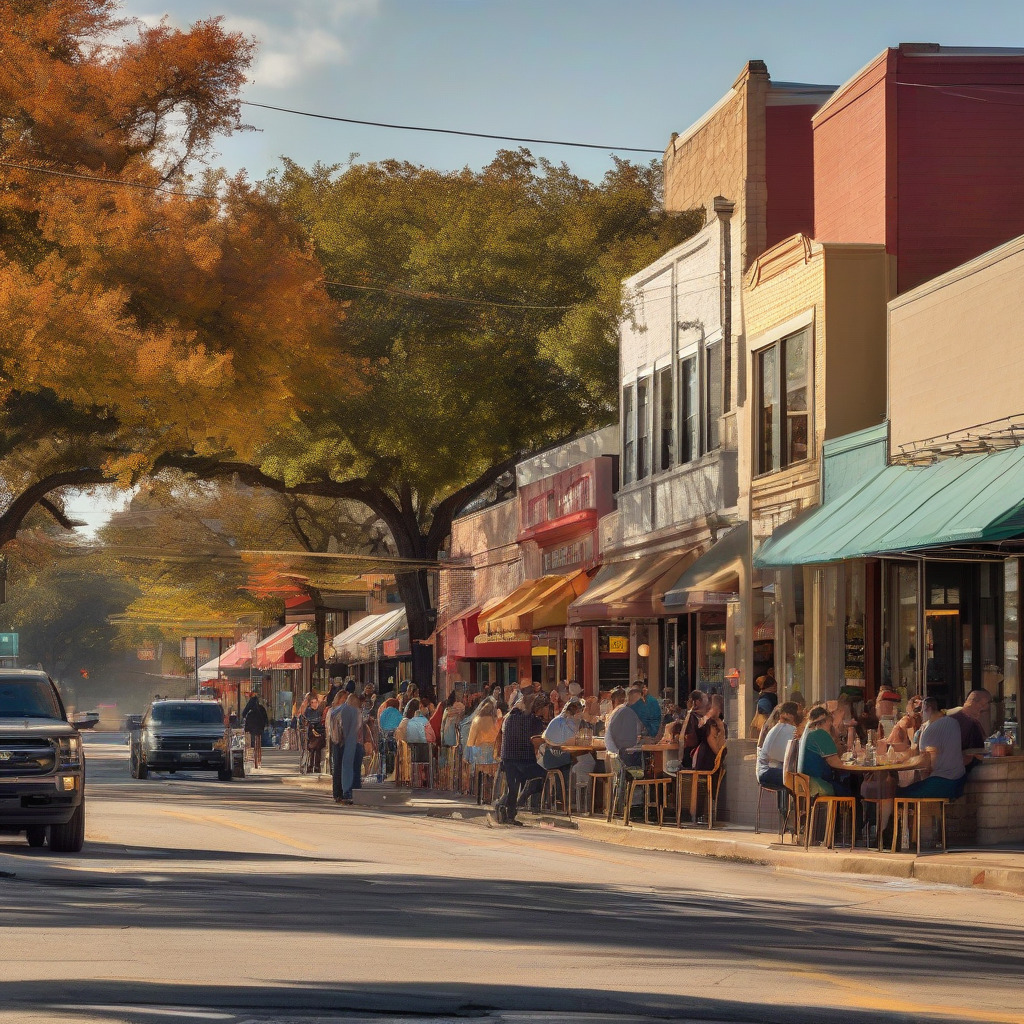
South Congress between the 1200 and 1800 blocks has lost at least eight independently owned food and beverage concepts since January 2024. The losses cluster on the flagship stretch between Annie and Elizabeth streets — the corridor’s commercial core — but extend north toward the river and south toward Oltorf.
Café No Sé (1603 S. Congress) operated for six years before closing in February 2024. The owner cited the landlord’s refusal to renew at a rate that would support a viable lease. Perla’s, the seafood-forward concept from McGuire Moorman Lambert, closed its SoCo location in late 2023 and didn’t reopen. This matters because MML — which also operates Clark’s Oyster Bar and formerly ran Josephine House — has the operational sophistication and investor backing most independent operators can only dream about. If a group of MML’s scale couldn’t make the math work on South Congress, it gets harder to blame operator inexperience for what’s happening. Picnik, the paleo-focused fast-casual concept that had become something of a SoCo anchor, closed its South Congress flagship in mid-2024 after years of expansion. Jacoby’s Restaurant and Mercantile (3235 E. César Chávez, technically East Austin but caught in the same pressure system) closed in early 2024 after nearly a decade. Owner Jeff Jacoby cited lease costs and the cumulative weight of operating through COVID’s aftermath.
The legacy anchors survive. Güero’s Taco Bar at 1412 S. Congress has operated there since 1986. Home Slice Pizza, two doors down at 1415, has been there nearly as long. Both carry lease structures from a different real estate era — one that’s basically unrecognizable now — and are effectively insulated from the repricing that has torched newer concepts. Meanwhile, properties that housed restaurants for years are sitting dark six months, twelve months, longer after closure. Landlords are holding at asking rents rather than negotiating to fill the space. Make of that what you will.
The East 6th Closure List
East 6th Street and East César Chávez were, for roughly a decade, where Austin’s independent operators went when South Congress got too expensive. That relief valve has closed.
Birdie’s (2944 E. 12th St.), the natural wine bar that earned national attention, announced closure in early 2025 after ownership concluded the cost structure was irreconcilable with the restaurant’s price point. Nixta Taqueria (2512 E. 12th St.) closed in 2024. That one sent a particular kind of shock through Austin’s food community — and honestly, through anyone paying attention to what was happening to this city. Edgar Rico was a James Beard Award finalist for Best Chef: Texas. If that level of national recognition couldn’t keep a lease viable, the signal to other operators was unmistakable. Dai Due (2406 Manor Rd.), Jesse Griffiths’ butcher shop and restaurant that had spent years defining a specific idiom of locally sourced Texas cooking, shuttered in 2024. Rosewood, a neighborhood café that served as a genuine community anchor through the pandemic, closed in early 2024. Olamaie (1610 San Antonio St.) closed in late 2024, ending a nearly decade-long run as one of Austin’s most formally acclaimed Southern restaurants.
The ghost kitchen category deserves a separate note. The post-COVID period produced a wave of ghost kitchen operations across East Austin, facilities promising to solve the real estate problem by eliminating front-of-house costs entirely. By late 2024, the bust was measurable. CloudKitchens’ Austin facilities saw significant tenant turnover. The model had its own punishing cost structure: commissary fees, delivery platform commissions averaging 25 to 30 percent of revenue, and a customer acquisition problem that a physical dining room partially solves just by existing on a busy street. Ghost kitchens deferred closures in many cases. They didn’t save the system.
The concentration of James Beard–adjacent concepts in this closure cohort reflects something specific about how these operators built their businesses. These are precisely the restaurateurs who, in building critically acclaimed, ingredient-driven, relatively modestly priced restaurants, most directly assumed that Austin’s east side represented a sustainable cost environment. It no longer does. I find that genuinely hard to sit with.
The Rent Numbers
According to Austin commercial real estate brokers who work the SoCo and East Austin retail corridors, prime-block South Congress NNN lease rates ran roughly $35 to $45 per square foot annually before the pandemic. Current asking rates on the same blocks run $55 to $80. On East 6th and East César Chávez, rates that quoted around $25 to $35 in 2019 now come in at $40 to $60 — a jump of roughly 60 percent at the midpoint.
These are not increases operators can absorb through efficiency gains. A 2,500-square-foot restaurant on a prime SoCo block paying $70 per square foot NNN carries $175,000 in annual base rent before a single property tax dollar changes hands. The Austin-specific mechanism that most coverage has missed becomes critical here.
Triple-net leases dominate both corridors. Tenants pay not just base rent but also their proportionate share of property taxes, building insurance, and maintenance costs. In a stable real estate environment, this distributes costs fairly. In Travis County between 2020 and 2024, it became a compounding trap. The county appraisal district increased commercial property values by more than 50 percent across most of 78704 and 78702 during this period, driven by the same institutional investment wave that repriced the corridors. Under a NNN structure, those appraisal increases passed directly to restaurant tenants as additional monthly costs — costs that weren’t present when the lease was signed, and that operators had no contractual mechanism to resist.
A restaurant on East 6th that signed a five-year NNN lease in 2019 at $30 per square foot found that by 2023, the tax passthrough alone had added a dollar or two per square foot on top of any base rent escalations. On a 2,000-square-foot space, that’s potentially an extra $2,000 to $4,000 a month the operator never planned for. This is the specific mechanism that tipped operators who were managing labor and food costs carefully into closure: a cost they couldn’t control and couldn’t forecast, buried in a lease structure they had no power to renegotiate once signed. It’s a brutal thing to watch happen to a business someone spent a decade building. Readers following how Travis County commercial appraisals flow through to tenants will find the mechanics familiar — but restaurant operators had none of the exemptions and protest tools available to homeowners.
Which Business Models Are Failing and Which Are Holding
The mid-price independent — restaurants at roughly $14 to $24 per entrée — is the most exposed category on both corridors. Labor and food cost together typically consume 55 to 65 percent of revenue, leaving 35 to 45 percent to cover rent, utilities, insurance, and any profit at all. At current SoCo lease rates, a restaurant grossing $1.5 million annually is allocating 12 to 17 percent of revenue to rent alone, against an industry benchmark that treats 6 to 8 percent as the viable ceiling.
The $45-entrée concept faces different but related pressures. Olamaie’s closure is instructive. Higher check averages help on the revenue line, but Austin’s fine dining ceiling has compressed. Locals who dined at Olamaie regularly are eating out less frequently at that price point. The tourist traffic that increasingly dominates SoCo is more transactional — visitors want an experience, but they’re working from a Google Maps list, not a decade-long relationship with a place.
What’s holding on South Congress is a specific kind of high-margin, experience-oriented concept that derives its revenue from hotel and short-term rental foot traffic. National and regional chains, branded cocktail bars, concepts backed by hospitality groups with multiple properties — these operators can offset a single high-rent location against a broader portfolio, accept lower margins in exchange for brand exposure, or simply operate at price points ($18 cocktails, $28 weekend brunch entrées) that generate the revenue per square foot NNN landlords now require. The neighborhood-serving independent can’t compete. It isn’t priced for tourists, it isn’t backed by a portfolio, and it can’t survive when rent consumes twice the share its menu was designed to carry.
The Compounding Pressures
Project Connect construction and associated utility work disrupted street access and parking on East 6th and East César Chávez for extended stretches through 2023 and 2024. For restaurants that depended on accessible parking for dinner service — a real requirement in a city that still lacks the pedestrian density of older urban markets — the revenue losses were sometimes unrecoverable. Operators described losing 20 to 35 percent of weeknight revenue during active construction phases, with no lease abatement from landlords. None.
Austin’s revenue season is also badly compressed. SXSW, ACL, UT football, and Formula 1 produce intense peaks separated by genuinely difficult valleys. Summer — when Austin’s heat makes patio-heavy concepts particularly vulnerable — is the weakest revenue period for most South Congress and East Side restaurants. Lease math that worked when operators correctly projected peak-season windfalls didn’t account for a post-COVID normalization in which festival spending patterns shifted and corporate expense-account dining contracted.
The outdoor dining buildout that city policy encouraged during COVID created another compounding problem. Restaurants that invested $40,000 to $120,000 in expanded patio infrastructure found those improvements provided exactly zero lease leverage at renewal time. Landlords didn’t credit the work against the rate increase. You put in the money, took the risk, built something — and it counted for nothing at the table.
Austin’s labor market added a second cost layer operating independently of rent. Tech-sector demand for hourly workers pushed effective entry-level wages to $15 to $18 per hour in a state where the statutory minimum remains $7.25. Restaurants competing for dishwashers, line cooks, and servers against Amazon fulfillment operations and tech campus facilities teams faced labor cost structures their menus simply weren’t built to support.
Where the Operators Went
Nixta’s Edgar Rico has remained publicly present in Austin’s food community without announcing a next project as of this writing. This reflects both the realities of the TABC license transfer process — which typically adds several months to any pivot or sale — and what sounds, from the outside, like genuine uncertainty about where a James Beard–caliber independent taqueria can operate sustainably in Austin’s current market. That’s not a knock on Rico. It’s a damning statement about the market.
Several former SoCo operators have relocated to South Lamar and South First, where lease rates currently quote below the SoCo premium on less trafficked blocks. These remain cheaper, though they’re tracking upward. Others have moved further out: Cedar Park, Round Rock, and Pflugerville have received at least three former East Austin restaurant concepts since 2023, according to sources in the Austin brokerage community. The suburban move typically represents a permanent departure from the specific conditions that made the original concept viable. You can follow the talent, but you can’t always follow the thing the talent was building toward.
Some operators pivoted to catering and private dining, where rent isn’t a structural variable and where corporate and event spending remained relatively stable through the post-COVID period. Rational adaptation — but also a different business entirely, one that doesn’t replace the public dining room’s function in a neighborhood. A meaningful number of operators simply left hospitality. Several owners, when reached, described exhaustion as much as financial failure. Five difficult operating years against a cost structure that kept worsening was not a problem they chose to solve with another lease. I don’t blame any of them.
Are Chains Filling the Gaps
According to Aquila Commercial’s 2024 Austin retail market reports, South Congress and the immediate East Austin retail corridors have seen vacancy rates increase even as asking rents have held or risen — a pattern analysts describe as landlords pricing for the tenant they want rather than the one they can get. Several SoCo properties that housed independent restaurants for five or more years sat vacant for six months, twelve months, longer before signing new tenants. The replacements lean toward regional chains, national experiential retail, and hotel-affiliated food and beverage. Hopdoddy Burger Bar, a regional chain with Austin roots and the operational scale to absorb SoCo rents, has maintained its South Congress location. Multistate hospitality groups have taken several of the spaces that independent closures vacated.
What hasn’t materialized is any meaningful backfill of the independent tier. The economics that pushed out the independent don’t subsequently welcome an identical replacement. That’s not how this works.
What the Industry Data Shows
The National Restaurant Association’s 2025 figures place roughly 60 percent of independent restaurants operating at net margins below 5 percent. The Texas Restaurant Association’s statewide data for 2024 documented net negative independent restaurant formation for the first time in the post-COVID recovery period.
The Austin Restaurant Association confirmed that both 78704 and 78702 recorded net negative independent restaurant formation in 2024 — more independents closed than opened. The organization declined to provide specific counts by corridor, citing data collection limitations, but that directional finding matches what brokerage data and reported closures confirm on the ground.
Austin’s independent closure rate appears more acute on its prime corridors than in Dallas or Houston. Both cities have experienced post-COVID restaurant stress, but neither has Travis County’s specific appraisal methodology — which was more aggressive in commercial property reassessment than comparable Texas county appraisal districts — combined with compressed revenue seasonality, construction disruption on key corridors, and institutional investors who acquired SoCo properties at speculative valuations and are now holding asking rents that reflect those acquisitions rather than what the local restaurant market can support. San Antonio’s independent restaurant corridors, operating in a lower base-rent environment with a more stable local customer base and less tourism volatility, haven’t experienced equivalent closures.
The Austin problem is specific to Austin’s real estate trajectory. This isn’t a national trend that happened to land here. It’s something we did — or allowed to be done — to ourselves.
What Comes Next
The forward picture for independent operators considering South Congress or East 6th in 2025 and 2026 is not encouraging. Lease rates on both corridors aren’t projected to decrease. The institutional owners who acquired SoCo properties between 2018 and 2022 at valuations that required $60-plus per square foot NNN to pencil are not in a position to offer the deals that would make independent restaurant formation viable again. Some brokers predict modest softening on second-tier East 6th blocks as vacancy extends. The prime blocks are effectively priced for a tenant profile that excludes most independent restaurateurs.
At City Hall, the conversation about commercial tenant protections is nascent and moving slowly even by Austin standards. Unlike residential tenant protections, which have been the subject of sustained advocacy, commercial lease terms aren’t currently subject to city regulation, and state law significantly constrains what municipalities can do here. Austin’s land use code revisions, primarily oriented toward residential density, don’t touch the commercial lease structure through which restaurant operators are most directly squeezed. Outdoor dining permit streamlining — one policy lever advocates have discussed — would help marginally with operating costs. It wouldn’t offset a $20 per square foot base rent increase. It’s a Band-Aid conversation when the patient needs surgery.
What would actually need to change: a meaningful correction in Travis County commercial appraisals, a shift in landlord behavior away from vacancy tolerance toward negotiated rents, or a change in the composition of SoCo foot traffic that made the corridor’s economics work for neighborhood-serving restaurants in the first place. None of these is likely in the near term.
Independent restaurant culture in Austin isn’t dead. It’s moving — to East 11th, to the Rundberg corridor, to South Congress south of Ben White, to neighborhoods where institutional capital hasn’t yet completed the repricing. This is not a resolution. The corridors that spent a decade building cultural meaning did so because of specific operators in specific places. Those operators won’t reconstitute in a new geography just because the economics are marginally better there. Something particular gets lost in the dispersal.
That’s what the empty storefront on the 1400 block of South Congress is actually about. Not one bad lease. Not one operator who didn’t hustle hard enough. A system that was reshaped faster than anyone could adapt to, and a city that hasn’t yet decided whether it wants to do anything about it. For readers tracking the broader forces reshaping where and what Austinites eat, this fits into a pattern we’ve documented across our food & hospitality coverage.
CityDesk Austin will update this list as additional closures are confirmed. Operators with on-record information about lease terms, closure circumstances, or post-closure plans can reach the newsroom directly.