What Austin Roofers Are Actually Charging After Hail Season and How Long the Wait Is
We called eight local roofing companies in July to get real quotes on a standard 2,000-square-foot shingle replacement. Here's what they told us about pricing, backlogs, and the out-of-state crews …

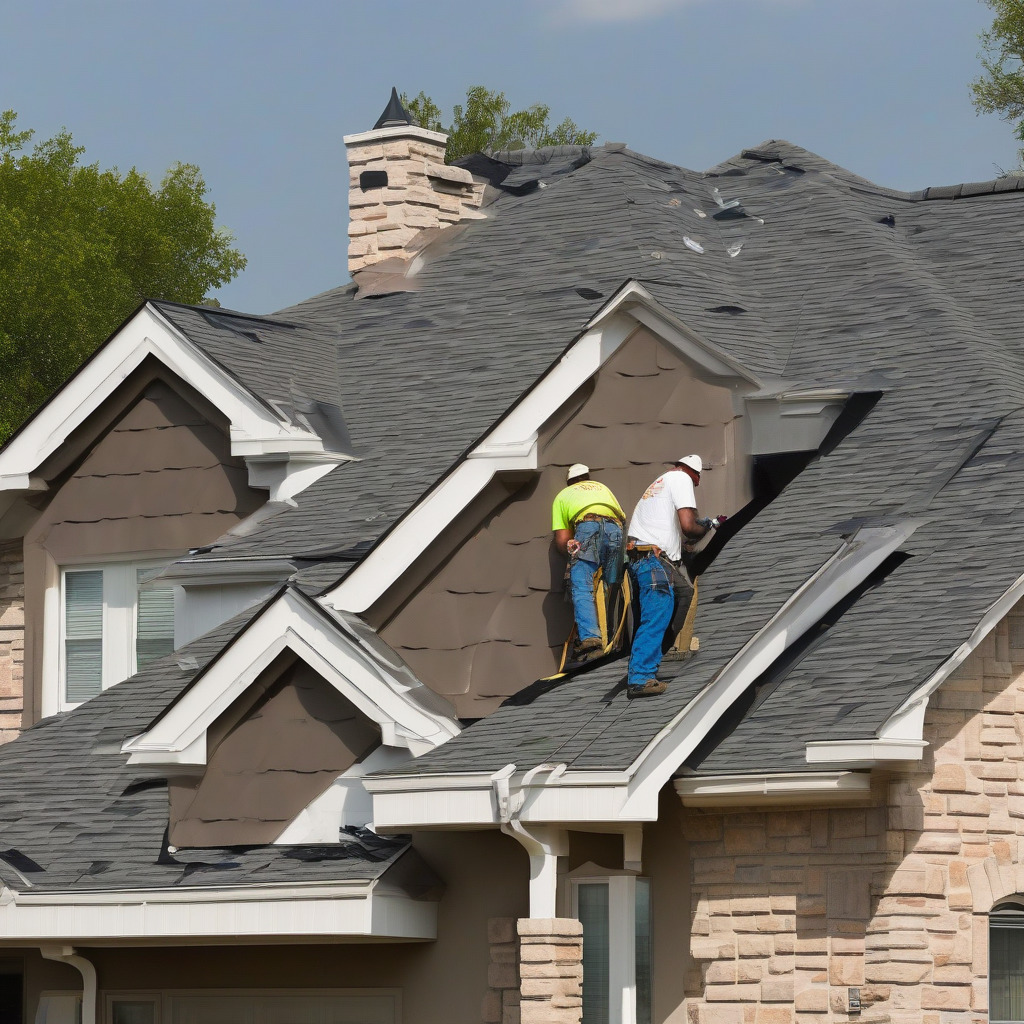
We called eight local roofing companies in July to get real quotes on a standard 2,000-square-foot shingle replacement. Here’s what they told us about pricing, backlogs, and the out-of-state crews still working your neighborhood.
Why July Is the Worst Time to Need a Roofer — and the Only Time Most People Call
The sequence runs the same way every year in Central Texas. Hail hits in spring. Travis and Williamson counties sit inside a historically hail-prone corridor, and spring 2026 brought significant storm activity across the region. The zip codes that took the hardest hits: 78660 (Pflugerville), 78753 (North Austin/Windsor Park), 78758 (North Lamar corridor), 78729 (Northwest Austin), and 78641 (Leander).
Insurance adjusters mobilize within days. They inspect, photograph, measure, generate reports. That process runs through most of June. By the time the average homeowner has an actual adjuster estimate in hand — a document with real numbers on it — it’s July. Which is exactly when they start calling roofers.
This is the worst window to need a roofing contractor in Austin. Reputable firms are already weeks or months into their post-storm backlog. Storm-chasing crews from out of state — some legitimate, many not — have been circulating Austin neighborhoods since shortly after the storms, knocking doors and collecting signed authorization forms before adjusters have even visited. The homeowner, often sitting under a temporary tarp while the insurer nudges them to resolve things quickly, is trying to make a major financial decision under time pressure. And the information available to help make that decision is, frankly, terrible.
Search results in July 2026 for “Austin roof replacement cost” are dominated by national lead-generation aggregators publishing national averages that simply don’t apply in a post-hail Austin market. So we called eight roofing companies serving Austin — a mix of long-established local independents and larger regional contractors — in the first two weeks of July 2026, using a standardized job specification. We asked direct questions about pricing, scheduling, and what homeowners should know before signing anything.
What a Standard Austin Roof Replacement Actually Costs Right Now
To make the quotes comparable, we used a consistent specification on every call: a single-story home with 2,000 square feet of living space (roughly 22–24 squares of roofing material once you account for pitch and overhang), an 8:12 roof pitch, one layer of existing shingles to tear off and dispose of, GAF Timberline HDZ architectural shingles or a named equivalent (Owens Corning Duration, CertainTeed Landmark), new underlayment, drip edge, ridge cap, standard penetration flashing, and a permit pulled in Travis County. No decking replacement — we asked about that separately, as a per-sheet add-on. No solar panels, no gutters, no skylight work.
In a normal, non-post-storm Austin market, the same job typically prices in the $350–$550 per square range — roughly $8,500–$13,000 total for this specification. Following a significant hail event, Austin contractors have historically added a surge premium of 15–25 percent above that baseline. Plan accordingly.
Here’s the number that should stop you cold: a sub-$300-per-square bid. On a 22-square job, $295 per square comes in around $6,490. That figure cannot cover current material costs, labor, permit, and disposal in the Austin market. Something is being omitted — the permit, the decking work, the proper underlayment — or the crew has no intention of finishing. Walk away.
What drives variation within the legitimate range: pitch is the first factor. An 8:12 is steep-slope work, which requires additional labor and equipment. A 4:12 or 6:12 prices lower; anything above 9:12 triggers another surcharge from most contractors. Decking condition is the sleeper cost on older Austin homes — more on that in the next section. Plumbing vents, HVAC curbs, chimneys, and skylights all require individual flashing, and more penetrations mean higher labor. Underlayment specification matters too. Most contractors are now defaulting to synthetic underlayment, which satisfies ice-and-water-shield requirements under the 2021 IRC as adopted locally. The upgrade adds cost. Ask your contractor whether your insurer is actually including it in their estimate, because often they’re not.
What Is Driving Austin Roof Prices Higher This Summer
Post-hail demand compression is the obvious one. Contractors who might have had a three-week pipeline are now running 10–14 weeks of committed work, and their pricing reflects that scarcity. When your schedule is full, you don’t discount.
The board-decking problem is specific to older Austin neighborhoods and frequently underpriced in initial insurance estimates. Homes in Hyde Park, Mueller, Brentwood, and Cherrywood — many built before plywood sheathing became standard — commonly have original board sheathing. When a roofer tears off the shingles, they find boards that are split, cupped, gapped, or rotted at penetration points. Replacing that board decking with OSB is required under current code, and it adds cost that adjusters routinely omit from initial ACV estimates. If you live in one of these neighborhoods, budget an additional $1–$2 per square foot of roof area for potential decking replacement, and make sure your contractor documents the decking condition in writing before finalizing any scope with your insurer.
One thing worth knowing: surge pricing tied to demand is timing-sensitive. A homeowner with only cosmetic damage and no urgency who waits until November may find more competitive pricing from the same firms quoting at the top of their range today. Material costs and permit fees don’t change. But you won’t be competing with half of Pflugerville for the same three open slots.
How Far Out Are Reputable Austin Roofers Booking Right Now
Six of the eight contractors we reached gave us a specific first-available start date. The answers: six to twelve weeks out from the first week of July. The earliest realistic start dates for calls placed now are mid-August; several firms aren’t available until late September. The two contractors who declined to give a firm date said they were taking names for a fall schedule but couldn’t commit until their current backlog cleared.
The scheduling picture also depends on whether you have insurance approval in hand. Several firms said they’re running two tracks: cash-pay jobs, where scheduling is straightforward, and insurance jobs, where the supplementing process introduces real uncertainty. One estimator put it plainly: “If you have a signed-off scope and an ACV check ready, I can slot you into October. If you’re still waiting on your carrier to respond to our supplement, I can’t hold a slot.” That’s worth knowing before you assume a verbal commitment means anything.
For homeowners with a tarp on the roof, ask specifically whether a contractor has a tarp-to-completion protocol for active leak situations. Some prioritize emergency mitigation for existing clients. For new clients, your place in the queue is your place in the queue.
On deposits: ask directly what a contractor requires to hold a slot, and verify current provisions with an attorney or the Texas Attorney General’s office before signing anything. If a contractor asks for full payment before work begins, don’t pay it. On insurance jobs, payment is typically structured around the two-check model: the ACV payment covers the deposit and materials, and the recoverable depreciation covers the final payment after completion. If a contractor is pressuring you to sign and pay before that process is complete, that pressure is a warning sign. A clear one.
How to Read Your Adjuster Estimate Before You Sign Anything
The adjuster estimate you receive after a spring hail claim is a starting point. It is rarely the final number. Initial ACV estimates for a 2,000-square-foot Austin roof after hail damage have historically run $7,000–$11,000 before depreciation. Supplement requests — where your contractor documents items the adjuster missed or underpriced — have commonly added $2,000–$5,000 when code upgrade requirements are properly documented.
Ice and water shield is required by the 2021 International Residential Code, which Austin has adopted, at eaves, valleys, and penetrations in certain configurations. Many initial estimates default to standard underlayment pricing across the entire field and miss the ice-and-water-shield spec at vulnerable areas. Drip edge is similarly often missing or priced at obsolete rates. Current code requires it; if your adjuster’s estimate doesn’t include it, your contractor should flag it in a supplement.
Decking replacement is almost never in an initial adjuster estimate because it can’t be confirmed until tear-off. The supplement process exists precisely for this: your contractor documents the decking condition with photos, and the carrier pays the additional cost under most policies. Also worth ten minutes of your time: check your declarations page for an “ordinance or law” coverage rider, often listed as “Coverage A — Ordinance or Law.” If your policy includes it, you may be entitled to coverage for code items your adjuster hasn’t priced.
Under Texas Insurance Code §542.056, your carrier must acknowledge receipt of your claim within 15 days and accept or reject it within 15 business days of receiving all requested documentation. If a carrier is slow-walking your supplement response, those statutory timelines apply. The right sequence before signing anything: choose a contractor, have them prepare a full scope of work, compare it line by line to your adjuster’s estimate, and identify the gaps. Reputable contractors do this as routine. If yours isn’t offering to walk through it with you, ask.
If you’re in a genuine dispute — an actual denial or significant undervaluation, not just a supplement in progress — a public adjuster licensed under the Texas Department of Insurance negotiates on your behalf with the carrier, typically for a percentage of the claim recovery. For a straightforward supplement on a well-documented hail claim, most homeowners don’t need one.
The Storm-Chaser Warning Signs Austin Homeowners Keep Falling For
The crews circulating Austin neighborhoods after a hail event aren’t all bad actors. But the bad actors use a remarkably consistent playbook, and it’s worth knowing before someone knocks on your door.
Out-of-state plates on work trucks are not automatically disqualifying — many legitimate crews travel regionally. But they’re a prompt to ask more questions, not fewer. The first question: can this contractor produce a City of Austin contractor license number on request? The City of Austin requires a building contractor license through the Development Services Department. A legitimate contractor has it immediately. Someone who hedges, promises to look it up, or pivots the conversation doesn’t pass this screen. Verify license status yourself at austintexas.gov.
Under Texas Insurance Code §707.002, it is unlawful for a contractor to offer to waive, absorb, or otherwise not collect your insurance deductible. If anyone tells you they’ll “work with your insurance” so you don’t have to pay your deductible — that’s either illegal, or they’re misrepresenting the scope of work to your insurer. You’re exposed either way.
Doorstep pressure to sign before the adjuster has visited is a major red flag. At that stage you have no number to compare their scope against. That’s exactly how they want it. Storm-chasing firms often operate out of a P.O. box or a pop-up office; ask for a real street address and verify it’s not a mail service.
Check when the online reviews were posted. A company with dozens of reviews, all from the past 60 days, has a paper trail that appeared after the hail event. Ten years in the Austin market should produce a distributed review history, not a spike in June.
The fastest legitimacy screen: ask directly whether they’ll pull the permit with the City of Austin. A yes, plus a license number, is the floor. In Travis County, a permit is required for a full roof replacement — including like-for-like shingle replacement — and it requires a licensed contractor. A no-permit job creates a problem at title if you sell, voids most manufacturer shingle warranties, and can affect insurance coverage on future claims. After work is complete, confirm the permit was actually filed through the city’s permit search at austintexas.gov/department/building-inspection. That lookup takes two minutes.
Is a Metal Roof Worth It If Your Shingles Are Already Totaled
If you’re already replacing a roof, the incremental cost of upgrading to standing seam metal is smaller than it looks when you compare sticker prices in isolation. Tear-off, decking prep, and incidental costs are the same regardless of the final material. Standing seam metal in the Austin market runs $800–$1,400 per square. Stone-coated steel and exposed-fastener panels fall in the $500–$750 per square range — a real middle ground between that and the architectural shingle baseline. The upgrade premium is significant. It’s not unlimited.
For Austin specifically, the case for metal is stronger than in most markets. Architectural shingles in Central Texas carry a rated life of 25–30 years. Standing seam steel typically runs 40–70 years. If you plan to own your home for 20-plus years, the long-term math often favors metal — and as our home and property coverage explores across renovation and resale decisions, the people who regret it are mostly the ones who underestimated how much they’d appreciate never dealing with a hail claim again. On a house you’re planning to stay in, metal is almost always the smarter buy.
The thermal case matters in Austin’s climate. A metal roof with a reflective finish can reduce attic temperatures by 10–15 degrees compared to dark-colored asphalt shingles. Paired with proper attic ventilation, that can cut cooling load by 7–15 percent. Austin sits in ASHRAE Climate Zone 2 (hot-humid to hot-dry), which makes reflective roofing more effective here than in temperate markets. Check current Austin Energy rebate offerings at austinenergy.com before you factor any rebate into your decision — program terms have changed in recent years.
Class 4 impact-resistant materials — the highest UL 2218 rating, which most steel roofing achieves, as does GAF Timberline ArmorShield II among shingles — qualify for insurance discounts from several carriers writing homeowner policies in Travis and Williamson counties. Call your agent directly for the specific discount on your policy. Given what wind and hail coverage costs here, a verified discount can meaningfully offset the long-term price difference. Worth the phone call.
If you’re weighing the upgrade in the context of what home improvements actually add resale value in Central Texas, one caveat that trips people up: if your property falls within a City of Austin historic district overlay — Clarksville, Hyde Park, and Travis Heights all have active overlays through the Austin Historic Preservation Office — there may be restrictions on roofing material visibility or color. Historic overlay rules typically prohibit highly reflective metal roofing on primary planes visible from the street. Find out before you sign a contract. Finding out after is a genuinely miserable situation.
How to Verify a Contractor Before You Sign
Here’s the single most confusing fact in Texas roofing: Texas has no state roofing contractor license. The Texas Department of Licensing and Regulation does not license roofing contractors as a category. Searching TDLR’s contractor license lookup and finding nothing means nothing — because roofing is simply not a licensed trade at the state level in Texas. This surprises a lot of homeowners, and honestly it’s a gap worth closing, but that’s a different argument. What matters for your purposes is whether the contractor holds a City of Austin license and has a documented history of permitted work.
The City of Austin requires a contractor license through the Development Services Department for any work requiring a building permit, which includes roof replacement. Look up license status at austintexas.gov — navigate to Development Services, then Contractor Licensing. Ask any contractor you’re considering for their license number and verify it yourself. Active status, license class, and any disciplinary actions are all visible.
Ask for examples of recent permitted work in Austin, then check that the permits were actually pulled and passed inspection through the city’s online permit search. A contractor who pulls permits consistently will have a record. Get a current certificate of insurance showing general liability and workers’ compensation coverage, and then call the insurer’s number on the certificate to confirm the policy is active. Certificates can be fabricated — it happens more than you’d think.
The BBB’s Austin regional office at bbb.org/us/tx/austin has complaint histories for roofing contractors operating in Central Texas. A company that’s been operating here for ten years should have a distributed record — not a review spike from the past 60 days.
Before signing any contract, get in writing: the contractor’s full legal business name, physical address, and license number; detailed scope of work including shingle brand and product line, underlayment specification, drip edge, ridge cap, penetration flashing, and number of layers being removed; total price and payment schedule; start date and estimated completion date; who pulls the permit (must be the contractor, not the homeowner); warranty terms for both manufacturer product and contractor workmanship; and a lien waiver at final payment. If a contractor resists putting any of this in writing, that resistance is itself the answer.
What We Asked, Who We Called, and How to Use These Numbers
We contacted eight roofing companies serving the Austin metro during the first two weeks of July 2026. Four were long-established local independents with physical Austin addresses and continuous operation in Travis County for at least ten years. Two were larger regional firms with Austin offices. Two were smaller firms that appeared in post-storm advertising and had been operating in the Austin market for fewer than five years. All eight held active City of Austin contractor licenses at time of contact.
We called each as a prospective customer and described the same job: 2,000-square-foot single-story, 8:12 pitch, one-layer tear-off, GAF Timberline HDZ or equivalent, permit included, Travis County. We asked for a ballpark range, a first available start date, and whether they’d pull the permit. All eight said yes on the permit. Six provided a price range or starting number on the first call. Two declined to quote without a physical inspection — which is actually a legitimate position. An 8:12 roof with unknown decking genuinely can’t be priced with certainty by phone, and that’s a better answer than an invented number.
The figures in this article reflect conditions in July 2026, post-hail, in a compressed Austin market. By October or November, as backlogs clear and storm-chaser crews move to the next affected market, pricing from established Austin firms typically moderates toward non-surge levels. If you have only cosmetic damage — granule loss, no active leaks, no structural compromise — and your claim is documented and filed, scheduling work for late fall may get you meaningfully better pricing. If you have active leaks or visible decking damage, the cost of waiting is real. Water intrusion into decking and attic insulation compounds repair costs fast.
When you call a contractor, say this: “I have a single-story home, roughly 2,000 square feet, 8:12 pitch, one layer of shingles, no solar panels, in [your zip code]. I need a full replacement with permit. Can you give me a ballpark range and your first available start date?” A contractor who won’t engage with that on a first call is telling you something about how they handle communication with clients. In July 2026, there is no shortage of roofing companies willing to take a call in Austin. What’s scarce is straight information about what a legitimate job costs and how long it actually takes to get one scheduled.
Reporting was conducted by CityDesk Austin in July 2026. Contractor names are withheld pending follow-up on completed work and warranty fulfillment. Pricing reflects quotes received in the Austin metro market during the post-spring-hail 2026 period and will change as market conditions shift.