What Austin's Cedar Fever Season Actually Costs Allergy Sufferers and Who to See Before It Hits
From H-E-B store-brand cetirizine to a multi-year immunotherapy program, here's the full cost picture for Austin's most brutal allergy season—and the shrinking window to act before January's peak.

From H-E-B store-brand cetirizine to a multi-year immunotherapy program, here’s the full cost picture for Austin’s most brutal allergy season—and the shrinking window to act before January’s peak.
If you moved to Austin from somewhere with actual winters, nobody warned you about January. Not really. Friends might have mentioned “cedar season” the way they’d mention traffic on MoPac—annoying, manageable, a local quirk. What they didn’t tell you is that on a bad January morning, Austin’s mountain cedar pollen counts reach levels that have no real analogue in most of the country. When a cold front pushes down from the north in late December or January—what longtime Austinites call a “cedar chopper” wind—it doesn’t just blow pollen locally. It carries Ashe juniper pollen from deep in the Hill Country directly into the city overnight, spiking counts in hours. One day you’re fine. The next morning your eyes are swollen shut and you’re convinced you have COVID.
The plant responsible is Juniperus ashei, the Ashe juniper. Not a true cedar, despite the name everyone uses. It blankets the Texas Hill Country and produces pollen in volumes that land Austin consistently in the top five worst cities in the country for cedar allergy severity. “Cedar fever” is a local colloquialism that’s both accurate enough and wildly misleading. Symptoms include fever-like fatigue, severe nasal congestion, and eye inflammation—but most sufferers don’t develop an actual fever. This is an immune response, not an infection. That distinction matters because the treatment is entirely different.
The premise here is simple: the window to get ahead of cedar season closes in October. Allergy shots can reduce your immune response to cedar pollen over time, but they require a weeks-long buildup phase before they offer any protection. Specialist waitlists at major Austin practices have stretched to multiple weeks through cedar season itself. If you’re reading this in October, you’re in the last meaningful window to start something that will actually help by January. This piece tells you exactly what that looks like, who is taking new patients, and what everything costs.
The Cedar Calendar—When It Starts, Peaks, and How to Track It Live
Mountain cedar season follows a consistent pattern: onset in mid-December, peak in January, gradual fade through mid-February. Specific dates shift year to year. A warm December can delay onset. An early cold front in late November can kick the season off ahead of schedule—the kind of thing you only learn the hard way your first year here.
The “cedar chopper” phenomenon makes the season unpredictable in a specific way. Unlike oak or ragweed pollen, which build gradually, mountain cedar can spike in 24 hours when a cold front descends from the Hill Country. A northerly wind is often the overnight trigger. Austinites who’ve lived through multiple seasons learn to watch the 10-day weather forecast in late December and January the way a farmer watches weather. A cold front in the outlook is effectively a pollen event notice.
Mountain cedar trees are heaviest in the Hill Country west of Austin—the Dripping Springs and Marble Falls corridor—but pollen drifts citywide. West Austin, Westlake, and the 78746 and 78733 ZIP codes sit closest to those source areas and often see the earliest and highest local counts.
For live tracking, bookmark KVUE First Alert Weather’s pollen tracker at kvue.com/weather, which posts daily Austin counts during the season. Pollen.com’s Austin-specific page aggregates regional data and issues forecasts. UT Austin’s Brackenridge Field Laboratory and Texas A&M AgriLife Extension both compile pollen data for the region. Austin/Travis County Health and Human Services issues seasonal advisories during peak periods. Mountain cedar produces pollen volumes that routinely dwarf what most other plants generate. Counts that would be catastrophic for ragweed are ordinary for cedar season in Central Texas. If you’re new here, that should genuinely alarm you.
Is It Too Late to Start Allergy Shots and Have Them Work by January?
This is the question Austin allergists’ front desks field every October. The answer is straightforward, if not entirely satisfying.
Subcutaneous immunotherapy works in two phases. The buildup phase involves weekly injections with escalating doses of allergen extract—mountain cedar extract, in this case—typically over roughly six months before you reach a maintenance dose. Maintenance is monthly injections for three to five years, during which the immune system’s response progressively weakens.
If you call an allergist this week in October, here’s the realistic timeline: a testing appointment in two to six weeks at most practices currently taking new patients, often sooner at suburban locations in Cedar Park and Round Rock. If testing is complete by early November, a prescription is written, extract is ordered, and your first injection begins mid-November. By January’s peak, you’re roughly eight to ten injections into a buildup phase that runs many more months. You’re not at maintenance. You’re not fully protected.
Shots started in October are primarily an investment in the following cedar season, with a possibility of partial relief in the first one. But October is still worth acting on. Starting now puts you months ahead rather than at zero next fall. It’s the difference between being in the system and not—and that matters more than people realize until they’re calling allergists in January and being told the next available appointment is March.
If you miss the October window, late October through November is when immunotherapy must begin to offer any protection by January’s peak. Practices generally advise against starting a new buildup course in late November or December. The next-best clinical option at that point: a prescription-strength intranasal corticosteroid (fluticasone propionate or mometasone furoate) started two to four weeks before season onset, a daily second-generation antihistamine (cetirizine or fexofenadine), and for severe sufferers, a short oral corticosteroid course during the worst peak days. Telehealth providers can prescribe this regimen—covered below.
Who’s Taking New Patients and How to Find Out
We contacted established Austin-area allergy and immunology practices with one specific question: if a new patient calls today, when is the first available appointment? Wait times at specific practices change week to week during October—a practice with a three-week wait on Monday may fill those slots by Thursday. The most useful thing we can offer here is the call list rather than figures that may be outdated by the time you read this. For context on how these specialist wait times compare across other Austin medical categories, see our reporting on Austin endocrinologist new-patient wait times.
Practices confirmed as taking new patients and actively scheduling cedar fever consultations:
Allergy & ENT Associates operates multiple Austin locations—North Austin, South Austin, Cedar Park, and Round Rock. As one of the larger regional independent groups, volume sometimes means shorter waits than smaller practices.
Aspire Allergy & Sinus has locations on South Congress and North Lamar and offers telehealth and rush intake. Ask specifically about their cedar-season intake pathway when you call.
Solis Allergy operates in Central Austin.
UT Health Austin (The Grove and East Campus locations) is an academic practice affiliated with Dell Medical School. New-patient waits typically run longer, but it accepts a broad range of insurance including Medicaid—which matters for a significant portion of Austin’s population.
Baylor Scott & White Health operates at multiple Austin-area locations. The Round Rock location may have shorter queues than Central Austin.
St. David’s Medical Group Allergy operates at system-affiliated locations.
Central Texas Allergy & Asthma in Round Rock is independently operated and consistently reports faster new-patient intake than city-center locations.
The suburban option matters more than people expect. Several practices with Central Austin locations mentioned that their Cedar Park, Round Rock, or Pflugerville offices had noticeably shorter queues. If you can drive for your injections, that wait-time difference can determine whether you start this season or next.
When you call, ask four things: What is the first available new-patient appointment for a cedar fever consultation? Do you offer a cedar-season fast-track or telehealth intake that can start the process before an in-person test? Which ACA marketplace plans are you in-network with—specifically Blue Cross Blue Shield of Texas, Ambetter, Molina, and UnitedHealthcare? And do you offer self-pay pricing or a payment plan for uninsured patients? That last question is worth asking even if you have insurance. Not all practices advertise installment arrangements, but several offer them.
The Full Cost of Seeing a Specialist—Testing, Shots, and Drops
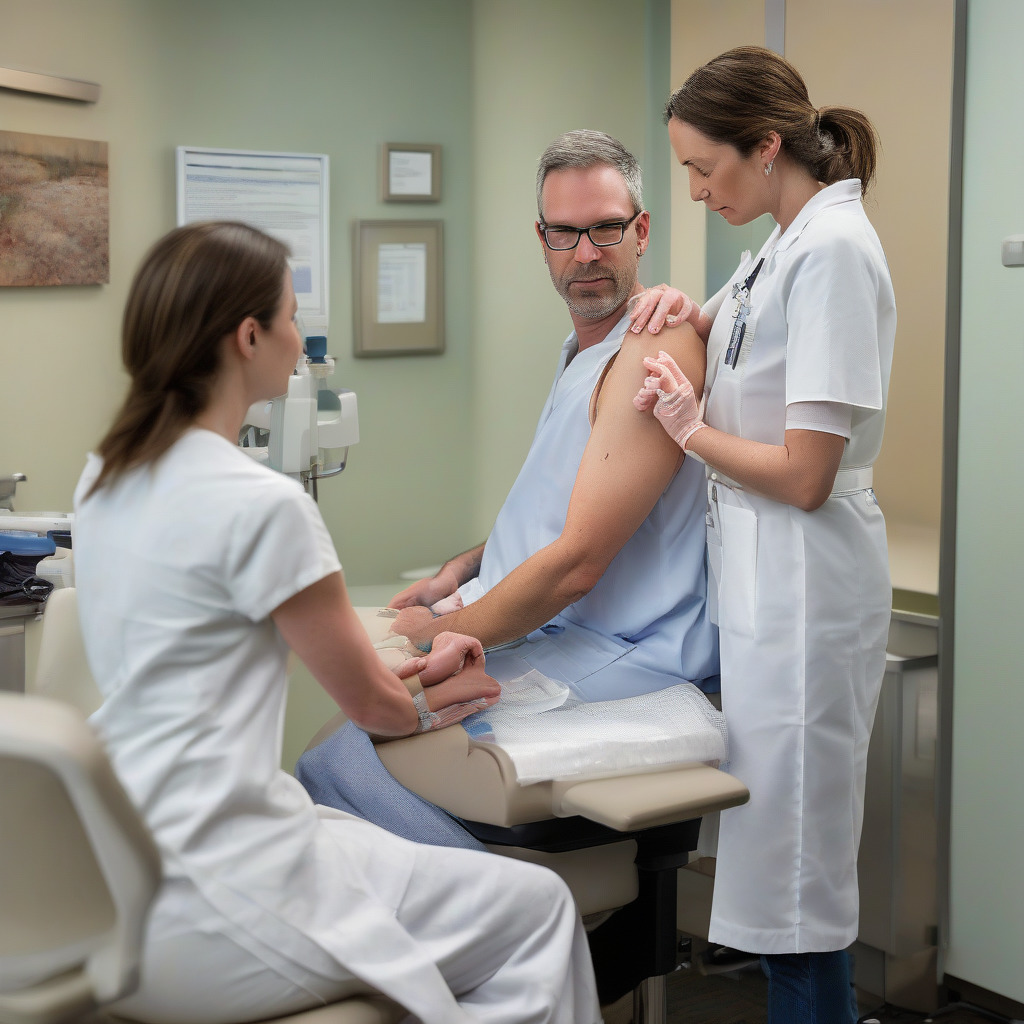
Allergy skin prick testing is your entry point. Small amounts of allergen extract are placed on the forearm, the skin is pricked to allow absorption, and results are read at 15 minutes. It’s the standard first-line test at most Austin allergy practices. Out-of-pocket cost without insurance runs roughly $200–$500 depending on the panel size and practice. A standard Texas inhalant panel typically covers 40 to 60 allergens, cedar included. Confirm current pricing directly when you book—these figures are based on calls to Austin-area practices and shift.
IgE blood panel testing (RAST testing) is done via blood draw and sent to a lab. It’s useful when patients are on antihistamines they can’t stop or when skin conditions make skin testing impractical. Estimated out-of-pocket cost is $150–$400, depending on how many allergens are tested, with outside lab fees adding to that total. With insurance, testing is typically covered as a diagnostic service, subject to your deductible.
Subcutaneous immunotherapy unfolds financially over three to five years. Most Austin practices that offer payment schedules for uninsured patients quote a total program cost around $3,000–$5,000 for a complete course. That includes extract preparation, buildup injections roughly weekly for about six months, and monthly maintenance injections after that. The buildup year typically runs $800–$1,500; annual maintenance costs drop to $400–$800. Ask practices directly for self-pay quotes and whether installment plans are available.
With insurance, subcutaneous immunotherapy is covered by most major commercial plans and ACA marketplace plans as a specialty medical service—under the medical benefit, not the pharmacy benefit. For patients past their deductible on a typical copay plan, per-visit costs generally run $20–$50 per injection visit.
The high-deductible reality deserves a direct paragraph. A significant share of Austin ACA plan holders carry deductibles of $3,000–$7,000. For most people, that means if December arrives and your deductible isn’t met, you’re effectively paying cash rates for testing and your first months of injections, even with an active insurance card. If you’ve had a major health event earlier in the year and your deductible is already done, shot visits may cost only your specialist copay. Know which situation you’re in before you book.
Sublingual drops—diluted allergen extract placed under the tongue daily at home—are offered by several Austin practices as an alternative to shots for patients who can’t commit to weekly in-office visits. Here’s the critical issue for cedar sufferers: the FDA has approved sublingual tablets for grass, house dust mite, and ragweed, but nothing targeting mountain cedar. Drops used for cedar are custom-compounded, not FDA-approved, and not covered by insurance. Expect to pay $100–$200 per month out of pocket. Verify directly with any practice offering this option.
The OTC Tally—What Three Months of Flonase, Zyrtec, and Eye Drops Actually Costs at H-E-B
A realistic moderate-sufferer OTC regimen for cedar season runs mid-December through mid-February—ten to twelve weeks. Three components: a daily intranasal corticosteroid, a daily second-generation antihistamine, and antihistamine eye drops for ocular symptoms. H-E-B is the dominant Austin pharmacy for OTC purchases, and its store-brand equivalents match national brand active ingredients at meaningfully lower prices. If you’re paying brand-name prices for cetirizine at H-E-B, you’re leaving real money on the shelf. The specifics below are worth bookmarking alongside our broader health & wellness coverage for seasonal cost comparisons.
Nasal steroids. Flonase Allergy Relief (fluticasone propionate, brand) runs roughly $20–$25 per bottle, one bottle lasting about a month at standard dose—so $50–$65 for ten weeks. H-E-B’s store-brand fluticasone propionate is the same active ingredient at $8–$12 per bottle, making the same ten-week supply $20–$30.
Daily antihistamines. Zyrtec (brand cetirizine HCl), 45-count, runs $25–$30 a box, so ten weeks costs roughly $55–$70. H-E-B store-brand cetirizine HCl is $8–$12 per box—about $18–$28 for the season. Allegra (brand fexofenadine), 45-count, runs $20–$25 per box, with a ten-week equivalent around $45–$60.
Eye drops. Zaditor (brand ketotifen fumarate) is $10–$15 per bottle; one bottle lasts four to six weeks used twice daily, so figure $20–$38 for ten weeks.
Running all three on brand names costs roughly $125–$175 for the season. Running H-E-B store brands costs roughly $58–$86. Verify current shelf prices before budgeting—these figures are from published H-E-B price ranges.
Montelukast (generic Singulair), sometimes added for cedar management, runs about $10–$20 per month with a GoodRx coupon at most Austin pharmacies, H-E-B included. It requires a prescription but is easy to get via a telehealth visit.
On the OTC-versus-immunotherapy question, I’ll say this plainly: for a mild to moderate sufferer, OTC therapy works. For a severe sufferer running a full OTC regimen plus urgent care visits and prednisone bursts across multiple seasons, the cumulative cost of ongoing OTC management is worth comparing against the $3,000–$5,000 total cost of a full immunotherapy course—particularly if insurance covers shot visits at copay rates. The math favors shots most clearly for severe sufferers with good insurance. For mild sufferers paying cash, OTC management may remain the practical call. The decision depends on severity, insurance, and how many years you plan to stay in Austin. If you’re thinking five or more, the case for immunotherapy gets stronger every season that passes.
Insurance—Which Austin ACA Plans Cover Allergy Testing and Shots
The four dominant ACA marketplace plans covering Austin are Blue Cross Blue Shield of Texas, Ambetter by Superior Health Plan, Molina Healthcare of Texas, and UnitedHealthcare. Their approach to allergy coverage differs in important ways. Confirm specifics with both your insurer and the practice before booking—network participation and plan-tier requirements change at each enrollment year, and this is exactly the kind of thing that blindsides people in February.
BCBS of Texas (Blue Advantage, Blue Choice plans) is the largest ACA insurer in Austin. Allergy testing and subcutaneous immunotherapy are generally covered as specialty services, and most large Austin allergy practices participate in BCBS-TX networks. Confirm in-network status directly. Check whether your specific plan requires a PCP referral for specialist visits.
Ambetter by Superior Health Plan covers allergy testing and immunotherapy, but its Austin network is more restrictive than BCBS-TX. Call both the practice and Ambetter before booking to confirm which allergists participate. Referral requirements vary.
Molina Healthcare of Texas covers allergy services, but specialist network depth in Austin is limited. Some Central Austin allergy practices are not in Molina’s network. UT Health Austin is one of the more reliable options for patients on Molina or Medicaid.
UnitedHealthcare (Marketplace plans) generally offers solid coverage. Most Austin-area allergy practices accept UHC. Confirm plan-specific copay and referral requirements.
One thing that trips people up repeatedly: allergy shots are covered under the medical benefit, not the pharmacy benefit. That matters when you’re checking your plan documents or arguing with a billing department. Sublingual drops are not covered by any major insurer. FDA-approved sublingual tablets (Grastek, Odactra, Ragwitek) may be covered under pharmacy benefits, but none targets mountain cedar.
The Texas Allergy, Asthma & Immunology Society, based in Austin, maintains a member directory and is a reasonable starting point for verifying which practices are active in your area.
The Telehealth Option—What You Can and Cannot Get Done Remotely
Telehealth platforms—Teladoc, MDLive, Sesame, QuickMD—have become part of Austin’s cedar fever response. They’re useful within a specific lane, and knowing that lane matters.
What telehealth can do: prescribe second-generation antihistamines (cetirizine, fexofenadine, loratadine)—useful if your FSA or HSA requires a prescription for reimbursement; prescribe intranasal corticosteroids at prescription strength, often cheaper than OTC equivalents via GoodRx; prescribe montelukast; write a prednisone burst for acute severe episodes, genuinely useful during peak January when a short course runs $10–$20 with a GoodRx coupon; and provide a referral letter if your insurance requires one for specialist access.
What telehealth cannot do: perform skin prick or blood panel allergy testing, start allergy shots or sublingual immunotherapy, or provide the clinical monitoring required for immunotherapy dose escalation. No exceptions.
Think of it this way: telehealth is December’s survival option. Calling an allergist this week is October’s actual move. They’re tools for different moments in the season, not substitutes for each other.
Your Next Move, Depending on When You’re Reading This
October. Call an allergist this week, not next week. Call multiple practices simultaneously rather than waiting for callbacks. Ask specifically whether their suburban locations—Cedar Park, Round Rock, Pflugerville—have shorter queues than Central Austin offices. This is frequently the case, and the difference can be several weeks. While waiting for your appointment, start a daily nasal steroid and antihistamine from H-E-B now. Nasal steroid effectiveness builds over two to four weeks of consistent use, so earlier is better even before you see a specialist.
November. Call practices and ask specifically about fast-track cedar-season intake. Ask the allergist directly whether starting shots in November gives you any benefit for the upcoming season, or whether you’d be building toward the year after. Either answer is valid—just know which game you’re playing. If shots aren’t viable this season, get a prescription nasal steroid regimen in place before December 1. A telehealth visit can handle that in 48 hours if you can’t get to your PCP quickly.
December or January. Shots aren’t your answer this year. Your best combination: prescription-strength fluticasone or mometasone started now, daily cetirizine or fexofenadine, antihistamine eye drops, and a prednisone prescription on standby for the worst days. Call an allergist in January anyway. Practices take appointments for the following October, and that list fills faster than you’d think.
One final note for newcomers who’ve never experienced this before: on a peak cedar day, Austin is not exaggerating when it says the city is sick. You’ll see people walking around in masks who aren’t doing it for COVID. You’ll find H-E-B’s antihistamine shelf visibly depleted by the second week of January. Colleagues will call in sick with what they describe as the flu and what is actually cedar fever—the fatigue, eye inflammation, and congestion are severe enough to sideline people for days. This is an immune response, not an infection. Treatment is entirely different.
The window to do something about it is this week.
Wait times and new-patient availability change frequently. Call practices directly for current scheduling. OTC pricing figures are estimates; verify current prices at H-E-B.com or in store. Insurance coverage specifics vary by plan tier and enrollment year; confirm in-network status with both your insurer and the practice before booking.