How to Find a Qualified Acupuncturist in Austin and What to Expect the First Visit
Austin's wellness market is crowded enough to make even straightforward decisions complicated. Type "acupuncture Austin" into Google and you'll get hundreds of results, a few dozen ads, and almost …

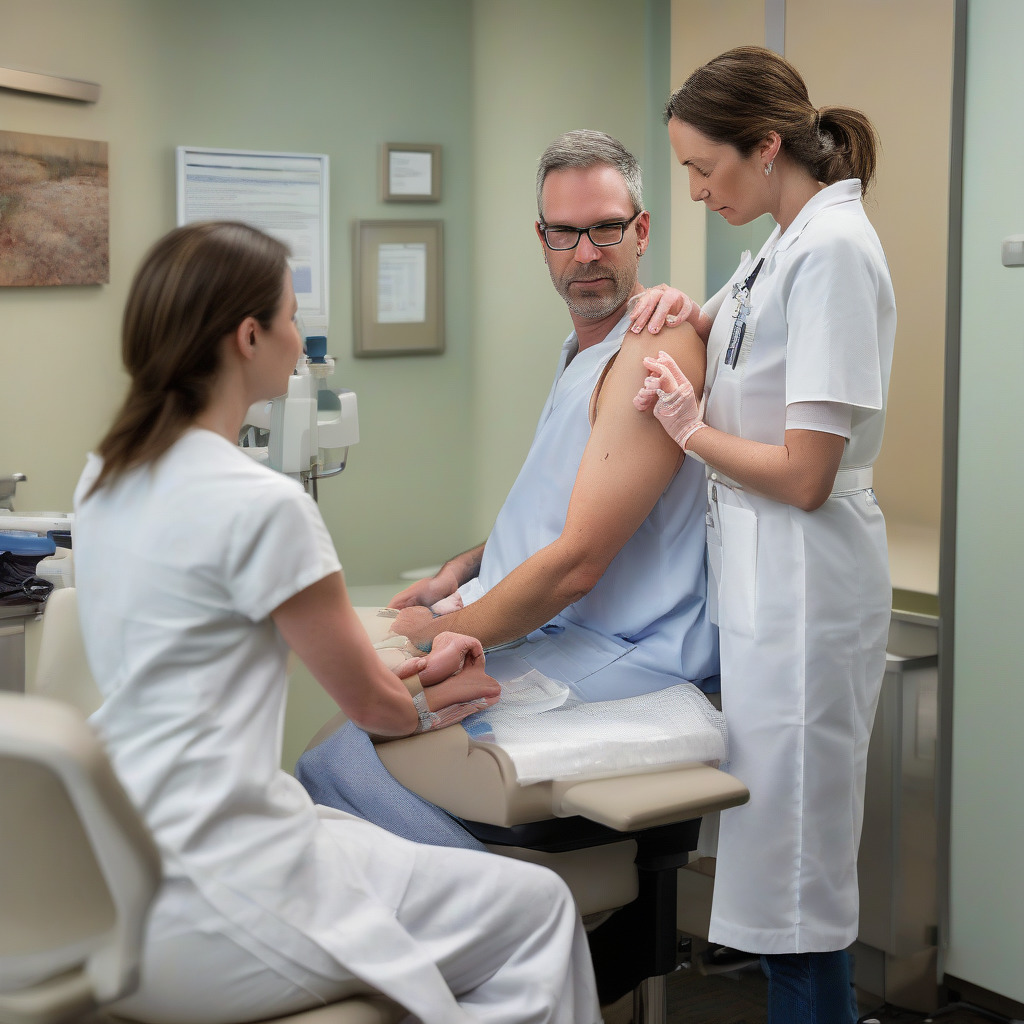
Austin’s wellness market is crowded enough to make even straightforward decisions complicated. Type “acupuncture Austin” into Google and you’ll get hundreds of results, a few dozen ads, and almost no guidance on how to tell a licensed practitioner from someone who completed a weekend course and calls it dry needling. This guide is for readers who are seriously considering acupuncture for back pain, headaches, fertility support, anxiety, or chronic insomnia — and want to make a smart choice before spending money on something that may or may not be covered by their insurance.
Why Austin Residents Are Booking Acupuncture
The conditions that most commonly bring Austin residents into an acupuncture clinic aren’t exotic. They’re the predictable byproducts of a tech-heavy, desk-forward economy: chronic low back pain, tension headaches, repetitive strain in the wrists and shoulders, anxiety that the usual interventions aren’t fully managing, and insomnia that leaves people functional but exhausted. If any of that sounds familiar, you’re in good company in this city.
Medicare Part B covers acupuncture for chronic low back pain. Major commercial insurers have added coverage as well. Fertility support draws significant interest from Austin’s population pursuing IVF and assisted reproduction.
Where you go in Austin shapes what you’ll pay and what you’ll get. South Congress and the surrounding Bouldin Creek and Travis Heights neighborhoods have a concentration of independent boutique practices — smaller, often individually owned, with real variation in pricing. East Austin, along East Sixth and Manor Road, runs younger and more community-oriented, with lower overhead and, in some cases, community acupuncture models. North Austin, including the Domain corridor, skews toward integrative medicine clinics operating alongside functional medicine physicians, naturopaths, and physical therapists. The price tags follow accordingly, sometimes steeply.
Step One: Verify the License Before You Book
Texas licenses acupuncturists through the Texas Department of Licensing and Regulation under Chapter 205 of the Texas Occupations Code. The credential to look for is L.Ac. — Licensed Acupuncturist. To hold it in Texas, a practitioner must have completed a master’s-level program in acupuncture and Traditional Chinese Medicine, passed the national board exams administered by the NCCAOM, and maintained Clean Needle Technique certification.
The national designations you may see after a name: Dipl. Ac. (Diplomate in Acupuncture) and Dipl. O.M. (Diplomate in Oriental Medicine). The latter includes Chinese herbal medicine.
You can verify any Texas acupuncturist’s license at tdlr.texas.gov. Navigate to the license search, select “Acupuncturist,” enter the name, confirm the license is active. Ninety seconds. Do it before you call.
One thing worth understanding clearly: physical therapists in Texas can legally perform dry needling — inserting thin filiform needles into muscle tissue for myofascial pain — with significantly fewer training hours than a licensed acupuncturist completes. Dry needling is not acupuncture. It uses a narrower biomedical model and a fraction of the needle-specific training. A PT offering dry needling may be the right call for some musculoskeletal complaints, but it’s a different service, and Austin’s wellness corridor has plenty of examples where the marketing language papers over this distinction. Reading a clinic’s website often won’t sort it out. Calling and asking directly will.
Step Two: Know What You’ll Pay Before You Call
Austin acupuncture pricing isn’t uniform. Anyone who gives you a single figure is guessing.
First visits — which include intake and treatment — run $85 to $150 at most Austin practices. That first appointment takes longer because of the intake, and many clinics charge a separate intake fee on top of the treatment fee. Others bundle it. Ask specifically when you call. This is the detail that surprises people when they’re handed a receipt.
Return visits are shorter and cheaper. East Austin independents run toward the lower end of Austin pricing. North Austin integrative clinics, particularly those tied to functional medicine or women’s health centers, price higher. Westlake and West Austin practices sit near the top of the market. Verify current rates directly with each practice — pricing changes, and any figure in any article needs phone or web confirmation before you rely on it.
The number that actually matters for your budget is total treatment course cost. Almost no Austin acupuncture content breaks this down, which is genuinely frustrating, because it’s the figure you need to make a real decision. An acute condition course — a recent injury, a short-term pain episode — typically involves 4 to 6 sessions over three to four weeks. At standard Austin rates, that’s roughly $400–$750 total, or $100–$300 at community acupuncture rates, before any insurance offset.
Chronic conditions cost more and take longer. Low back pain you’ve had for years, fertility support, anxiety, migraine prevention — these generally need 8 to 12 sessions over two to three months. Plan on $800–$1,800 or more for a full chronic course at standard rates, higher at integrative clinic pricing. These figures assume no insurance coverage.
Step Three: Find Out Whether Your Insurance Will Actually Cover It
Honestly: it depends on your specific plan, your diagnosis, and whether the provider is in-network. There’s no shortcut around making the phone calls.
Blue Cross Blue Shield of Texas covers acupuncture under many employer-sponsored PPO and some HMO plans, primarily for chronic low back pain. Coverage is typically capped at 20 visits per calendar year and requires an in-network provider. BCBS TX ACA Marketplace plans vary; some include acupuncture, many don’t. Call the member services number on the back of your card and ask specifically: Does my plan cover acupuncture? For which diagnoses? With what visit limit and what cost-sharing?
Aetna Texas covers acupuncture under a significant number of employer plans, again primarily for chronic low back pain. Aetna’s coverage varies considerably by employer contract — the same Aetna logo on two different people’s cards can reflect entirely different benefit structures. This feels absurd until you’ve had it confirmed on a call, and then it just feels like health insurance.
UnitedHealthcare Texas covers acupuncture under many employer plans for chronic low back pain. UHC’s benefit often requires a primary care referral and prior authorization depending on plan tier.
Acupuncture is not covered under Texas Medicaid. Don’t spend time pursuing that path. The community acupuncture options in Step Four are the more relevant resource.
Medicare Part B covers up to 12 acupuncture sessions in 90 days for chronic low back pain specifically — not for other conditions. If 8 of those sessions demonstrate improvement, Medicare may authorize 8 additional sessions in the same calendar year, for a maximum of 20 annually. The provider must be an M.D., D.O., N.P., P.A., or clinical nurse specialist, or the services must be performed by an acupuncturist under direct supervision of one of those providers. This limits which Austin practices can bill Medicare. Confirm directly with the clinic.
If your preferred practitioner is out-of-network, ask for a superbill — an itemized receipt with diagnosis and procedure codes you can submit to your insurer for out-of-network reimbursement. Some PPO plans pay a portion. It’s not guaranteed, but most established Austin practices can generate one on request.
HSA and FSA funds are eligible for acupuncture. Acupuncture is a qualified medical expense under IRS guidelines, which means you’re paying with pre-tax dollars. It doesn’t reduce the sticker price, but depending on your tax bracket, it’s a meaningful difference. Worth knowing before you write the check.
Step Four: Consider Community Acupuncture If Cost Is the Barrier
The community acupuncture model exists specifically to make treatment accessible to people who can’t afford the private-room boutique version. Sessions run $25–$50 on a sliding scale, with patients self-selecting their fee without means-testing. The practitioner treats multiple patients simultaneously in recliner chairs in a shared room, which keeps overhead and pricing low.
Austin’s community acupuncture options are smaller in number than in some comparable cities, and availability changes. Some independent practitioners run periodic community pop-up sessions at yoga studios and wellness venues in East Austin and South Congress. These turn up in neighborhood Facebook groups more reliably than in formal event listings — the Central East Austin and South Austin groups especially.
The People’s Organization of Community Acupuncture (POCA) maintains a clinic directory at pocacoop.com. Search Texas-listed members for current Austin-area options. Membership changes, so check the directory directly.
If you’re uninsured or on Texas Medicaid and cost is the real barrier, community acupuncture and teaching clinic options are the realistic paths. In our health & wellness coverage you’ll find related guides on accessing low-cost and sliding-scale care across Austin. Waiting to access private-practice acupuncture through insurance that doesn’t cover it isn’t a strategy.
Step Five: What to Tell Your Acupuncturist at the First Appointment
Bring specific information. The more precisely you can describe your experience, the more useful your intake will be.
Your chief complaint should be detailed. Not “back pain” — where, exactly? Dull or sharp? Constant or intermittent? Does it worsen with sitting, with movement, in the morning or at night? What makes it better? These specifics help the practitioner identify the pattern underlying the complaint, which can differ considerably between two people with identical diagnoses on paper.
Share your current medications and supplements. Blood thinners and corticosteroids are relevant to needle safety and tissue response. High-dose fish oil and vitamin E affect clotting. This is one of those disclosures that feels minor until it matters.
Describe your sleep in detail — not just hours. Do you fall asleep easily and wake in the night, or struggle to fall asleep at all? What time do you wake if you wake early? In Traditional Chinese Medicine, the hour of waking corresponds to specific organ systems. Your acupuncturist asking about 3 a.m. waking isn’t making conversation.
Digestion and appetite are clinical data here. Bloating, irregular bowel habits, food sensitivities, appetite changes, thirst — these details inform the diagnosis.
If applicable, provide menstrual history. Cycle regularity, flow quality, pain, spotting, PMS symptoms — diagnostic data for any women’s health or fertility presentation, and relevant background even for non-reproductive complaints in some TCM diagnostic systems.
Recent stressors matter. Chronic emotional stress has specific presentations that affect treatment strategy. You don’t need to overshare, but a broad picture helps.
If you’ve had prior acupuncture or TCM treatment, say so — what worked, what didn’t, with whom. This saves time.
Tell your practitioner if you fear needles. Say it plainly. A skilled practitioner will start with finer gauge needles, use fewer points initially, position you so you can’t see the needles if that helps. Anxiety affects the treatment itself, and experienced Austin practitioners handle needle-averse patients routinely. Most would rather know upfront.
Step Six: What Will Happen in the Room
First visits run 60 to 90 minutes. Follow-ups are typically 45 to 60. Don’t schedule anything immediately after your first appointment — more on that in a moment.
The intake covers your chief complaint and the details above. Some practices use written forms; others conduct it verbally. Either way, expect it to be more thorough than a conventional medical intake, and expect questions that seem unrelated to your presenting complaint. They’re not.
The physical exam in Traditional Chinese Medicine is primarily tongue and pulse. The tongue is examined for color, coating, shape, and moisture — each factor informs the diagnostic picture. Pulse is taken at three positions on each wrist, corresponding to different organ systems. The practitioner will hold your wrist quietly for a few minutes. Strange the first time; unremarkable by the second.
Needle placement follows the diagnosis, not a fixed protocol for your condition label. Austin practitioners vary in style — some use classical TCM frameworks, some Japanese techniques with fewer and shallower needles, some Five Element approaches. If you have preferences or prior experience with a particular style, mention it during intake.
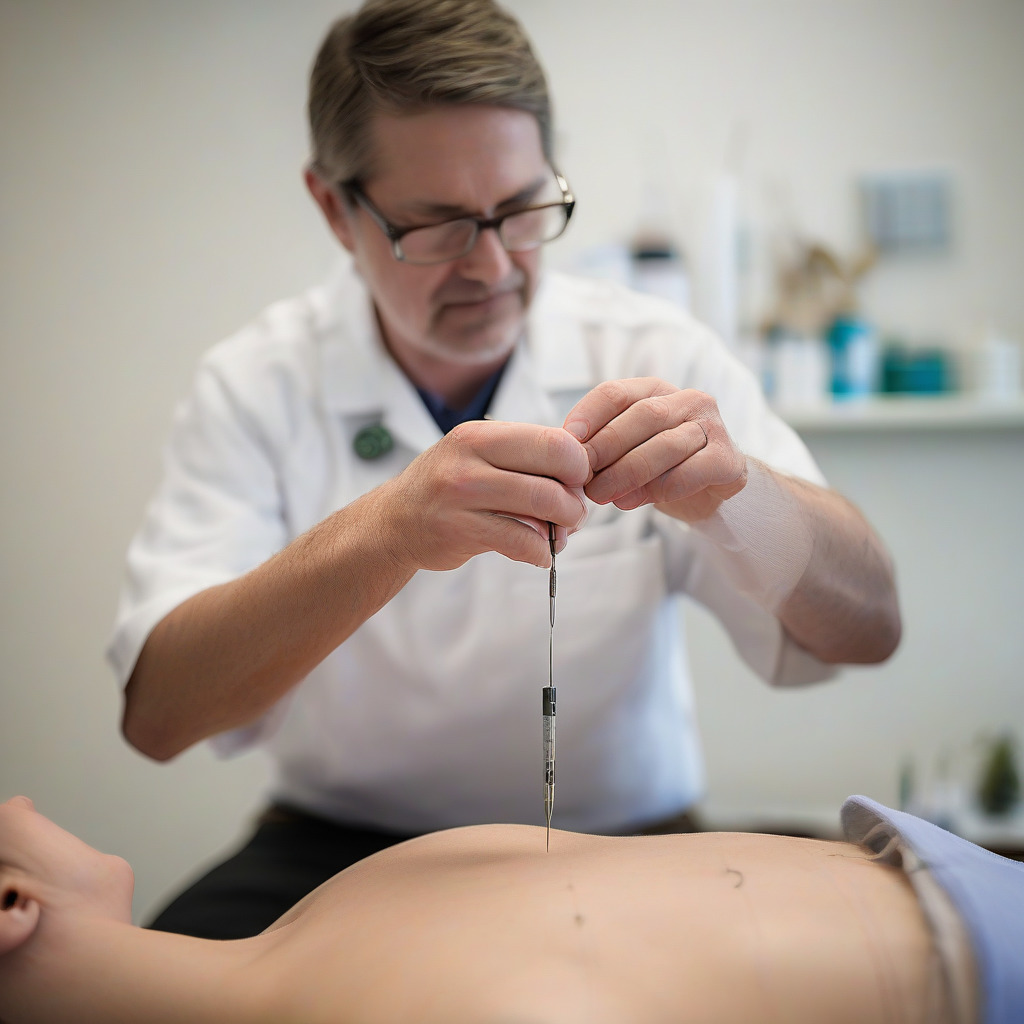
The sensation of needle insertion isn’t what most first-timers expect. A properly placed needle typically produces a dull pressure, spreading warmth, or a brief ache at the site. Practitioners call this “de qi.” It’s not sharp pain. If you feel sharp, stinging, or burning sensation, say so — the position may need adjustment.
You’ll rest with needles in place for 20 to 30 minutes. Quiet room, low light, background sound. Some people fall asleep. This is the treatment; there’s nothing else you need to do.
After the appointment, responses vary. Some people feel immediate relief or a looseness they didn’t expect. Others feel tired — genuinely tired, sometimes for the rest of the day — particularly after the first few sessions. This is common and not a sign of anything wrong. If you have an important afternoon meeting after your first appointment, you may want to reschedule one of those two things. I’m not kidding.
Eat lightly one to two hours before. Not fasting, but not a heavy meal. Wear loose clothing that gives access to your forearms, lower legs, and abdomen. For East Austin and South Congress clinics, street parking is available but increasingly competitive. Budget 10 to 15 minutes if you’re driving. East Austin clinics along Manor Road and Airport Boulevard are accessible via Capital Metro.
Step Seven: Set Realistic Expectations for How Many Sessions You’ll Need
Acute conditions respond faster. A recent injury, a short-term pain episode, a discrete stress response — these typically show results within 4 to 6 sessions. If there’s no meaningful improvement by session 4 or 5, that’s worth raising directly with your practitioner. Not defensively. Just directly.
Chronic conditions take longer, and there’s no way around that. Low back pain you’ve had for years, long-standing anxiety or insomnia, fertility support, migraine prevention — these generally need 8 to 12 sessions over two to three months before there’s enough data to assess whether the treatment is working. Treatment effects build over time; the first few sessions often establish a baseline response. Expecting results after two sessions for a condition you’ve had for three years isn’t a fair test. It’s also not how any treatment works, regardless of modality.
For readers managing anxiety or insomnia alongside acupuncture treatment, how long you will actually wait to see a therapist in Austin right now is worth reading before you decide whether to pursue both simultaneously or sequence them.
Maintenance care is common among Austin regulars once an acute or chronic condition has stabilized — monthly or bimonthly sessions for stress management, headache prevention, general wellness. That’s elective and ongoing; the cost math is personal.
A practitioner worth trusting will raise a progress conversation with you around sessions 4 to 6. Not to upsell more sessions, but to assess whether the plan should be adjusted. If your acupuncturist is booking you indefinitely without benchmarks or reassessment, ask directly: what improvement should we expect to see and by when? The answer should be specific. If it’s evasive, that tells you something.
Austin has enough licensed, well-trained acupuncturists to support a genuinely competitive market. The challenge for first-timers is navigating it without getting lost in credential confusion or insurance runaround. Verify the license at TDLR. Understand your actual all-in cost before committing to a course. Check your specific plan’s benefit with a direct phone call — not a website FAQ. Consider community acupuncture if cost is a real obstacle. The rest — the needles, the pulse diagnosis, the questions about 3 a.m. waking — will make sense once you’re in the room.