How to Use Austin's Farmers Markets to Actually Eat Better This Summer
A practical, season-specific guide to SFC and Mueller — with SNAP/Double Up Food Bucks explained, a five-day meal plan built from what's on the tables today, and where to find nutrition help connec…

A practical, season-specific guide to SFC and Mueller — with SNAP/Double Up Food Bucks explained, a five-day meal plan built from what’s on the tables today, and where to find nutrition help connected to Austin markets.
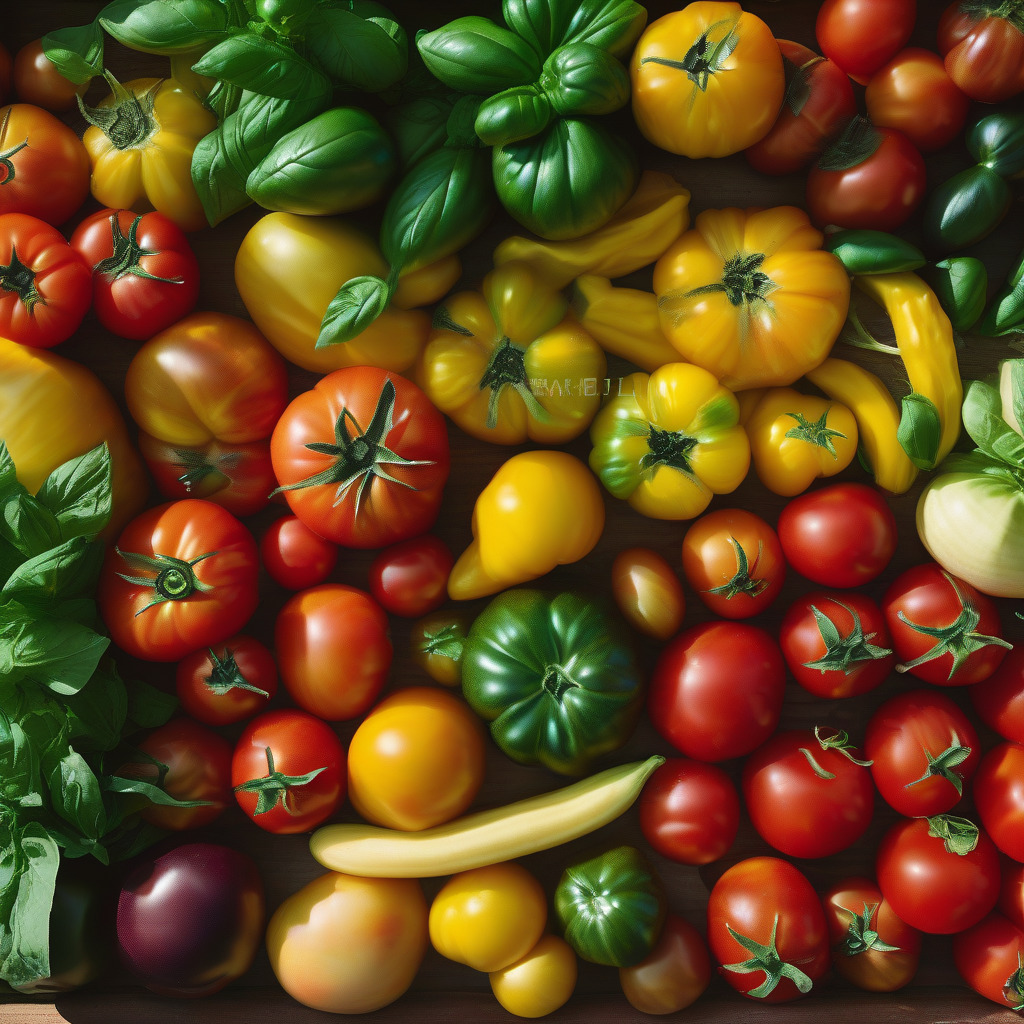
By 8:30 on a recent Saturday morning at the SFC Farmers’ Market Downtown, the Guadalupe Street blocks flanking Republic Square were already warm enough to remind you that June in Austin is not a gentle season. JBG Organic had its long table dressed with fat, imperfect heirloom tomatoes: purple Cherokees, striped Germans, a pile of Juliets going fast. Alongside them sat bundles of fresh basil and a flat of small summer squash in yellow and green. A few steps down, Tecolote Farm was running a half-bushel special on shelled blackeyed peas. The parking lot smelled like herbs and griddle smoke from a breakfast taco stand nearby. By nine, the shade was gone and the smarter shoppers were already heading to their cars.
That’s Austin farmers market season at its functional best. Excellent produce, real local growers, real money saved if you know what you’re doing — and real money wasted if you don’t. This guide is for the second category. If you’re going to drive to SFC Downtown or the Mueller Farmers’ Market this month, here’s what to buy, what to skip, how to pay for it, and what to do with it before Austin’s heat turns your haul into compost.
Step 1: Know What Is in Season Right Now and What Already Left
The most common farmers market mistake in Austin isn’t overspending. It’s arriving in June expecting March. Strawberries are gone. Peaches had a solid run through late May but are effectively done until next spring. Spring greens bolted weeks ago. If you’re building a shopping list based on what sounded good in April, revise it now.
Here’s an honest seasonal inventory for Central Texas in June, sourced to the Texas A&M AgriLife Extension Travis County’s seasonal produce calendar:
| In Season Now (June–August) | Wait Until October or Later |
|---|---|
| Tomatoes (all types) | Strawberries |
| Summer squash (yellow, zucchini, patty pan) | Peaches |
| Blackeyed peas and field peas | Spring greens (arugula, spinach, lettuce) |
| Okra | Broccoli and cauliflower |
| Sweet peppers and hot peppers | |
| Cantaloupe | |
| Fresh herbs (basil, cilantro, dill) | |
| Cucumbers | |
| Sweet corn (arriving late June) | |
| Eggplant (early varieties coming) |
Sweet corn will hit tables fast and be gone almost as quickly. Watermelon is one to two weeks out at most farms. Eggplant from vendors like Tecolote and JBG typically picks up volume through July. Buy corn the day you see it — it deteriorates faster than almost any other summer crop, and no amount of careful refrigeration fully fixes a cob that sat in your trunk for three hours.
Your summer market basket is built around heat-tolerant crops from the nightshade and legume families, plus cucurbits and herbs. That’s actually one of the strongest seasonal windows of the year nutritionally, which isn’t how most people think about Austin in June.
Step 2: Why This Produce Matters for Your Body in Austin Heat
Tomatoes have a chemistry problem the grocery store doesn’t advertise. Cooking them substantially increases lycopene bioavailability — lycopene is the carotenoid that gives tomatoes their red color, and it’s fat-soluble, meaning your body absorbs it better when the tomato has been heated and consumed with a small amount of fat. A simple pan sauce or roasted tomato preparation is meaningfully healthier than raw tomatoes alone. Worth knowing before you spend $5 a pound on heirlooms and eat them all in a salad.
Blackeyed peas deliver roughly 11 grams of protein and around 8 grams of dietary fiber per cooked cup. They’re among the better plant-based sources of folate available at any Austin market in June. Fresh-shelled peas cook faster than dried and have a more delicate flavor — Tecolote’s shelled peas are worth the price premium over dried grocery store peas if you’re eating them within two days.
Okra has a texture problem in most American kitchens that comes from cooking method, not the vegetable itself. It contains a soluble fiber called mucilage that has shown some association with reduced LDL cholesterol absorption in the gut. Roasted at high heat until the edges brown, the texture concern largely disappears. If you’ve written off okra based on a bad boiled or steamed experience, try the high-heat roast before you decide.
Summer cantaloupe in 100-degree heat is not a trivial addition to your diet. It provides solid hydration and a substantial dose of beta-carotene, both relevant for a summer spent moving in and out of intense sun. Austin sees daytime highs above 95°F for a significant stretch of June through August, and the combination of outdoor activity and that kind of heat meaningfully increases fluid and electrolyte needs. Cantaloupe, cucumber, and watermelon function as hydration foods, not just snacks — a distinction that actually matters here in a way it doesn’t in, say, Seattle in July.
Peppers, sweet and hot, are high in vitamin C. Austin markets carry an unusually wide range of pepper varieties from local farms, which is one of the real advantages of shopping here over a grocery store in June. You’re not choosing between a bell pepper and a jalapeño. You’re choosing between a dozen things you’ve probably never cooked with.
Step 3: Use SNAP and Double Up Food Bucks to Stretch Your Produce Budget
At participating SFC markets, shoppers who pay for produce with a SNAP EBT card receive a dollar-for-dollar match in bonus tokens up to a daily cap through the Double Up Food Bucks program. Bring your EBT card to the info booth at the start of your visit. Staff process the transaction and hand you tokens in the appropriate denominations. You spend those tokens directly at vendor tables, same as cash.
Fresh fruits and vegetables only qualify for the matching tokens. SNAP tokens can be spent on any SNAP-eligible item at the market — meat, eggs, some prepared ingredients. Double Up tokens are restricted to fresh produce. This distinction matters if you’re budgeting: spend your Double Up tokens on the blackeyed peas and squash, not the eggs.
Most vendors at SFC markets participate. Vendors who accept SNAP tokens display signage, but the info booth can tell you which vendors are enrolled that week.
SFC Farmers’ Market Downtown and SFC Farmers’ Market Sunset Valley both confirm Double Up Food Bucks participation. Mueller Farmers’ Market is independently operated. Verify its SNAP/Double Up status directly before visiting — program participation can change seasonally or with funding cycles.
Call SFC directly at 512-236-0074 to confirm the current 2025 match cap before your visit.
Here’s why this belongs in a general Austin readership piece: roughly one in eight Travis County residents is enrolled in SNAP. That’s not a niche population — it includes working families, seniors on fixed incomes, and people in transitional circumstances across every zip code. The Double Up program is funded through the federal Gus Schumacher Nutrition Incentive Program and has a solid track record of increasing fresh produce consumption among participants. If you’re eligible and not using it, you’re leaving produce-purchasing power on the table every Saturday. At current SFC summer prices, a fully matched SNAP run covers the better part of a week’s worth of vegetables for a one- or two-person household.
Step 4: Find Each Market and Know Which Works for Your Life
Austin has three markets worth knowing for this guide, and they serve different practical needs. Don’t default to whichever one you’ve heard of.
SFC Farmers’ Market Downtown runs Saturdays from 9 a.m. to 1 p.m. at Republic Square, 422 Guadalupe St. The vendor roster is substantial — JBG Organic, Tecolote Farm, and a rotating cast of specialty producers. Multiple Cap Metro bus routes serve Guadalupe and Republic Square. Parking in the surrounding area is metered and limited but available. SNAP and Double Up Food Bucks are confirmed here. The transit access makes it usable without a car, which matters for shoppers without reliable vehicle access or anyone combining a market run with other downtown errands.
SFC Farmers’ Market Sunset Valley is at 3200 Jones Rd., Sunset Valley, TX 78745 (Toney Burger Activity Center), also Saturdays from 9 a.m. to 1 p.m., with confirmed SNAP/Double Up availability. Free surface parking, but less transit-friendly. One detail worth noting: Sunset Valley is an incorporated city entirely surrounded by Austin, not a neighborhood within Austin proper, though it reads as one on a map. The market operates on the same terms as the downtown location.
Mueller Farmers’ Market at 4209 Airport Blvd. runs Sundays from 10 a.m. to 2 p.m. It’s independently operated by Farmhouse Delivery, not SFC — verify SNAP/Double Up status directly before visiting. The Sunday format and neighborhood density make it genuinely foot-traffic oriented. It’s walkable from Mueller, Hyde Park, and Windsor Park, with street and lot parking available and some Cap Metro access. Families with strollers, dog walkers, and Mueller residents treat it as a Sunday morning routine rather than a logistics operation. The vendor mix includes both produce vendors and specialty food makers, and honestly the vibe is a little more relaxed than 9 a.m. Republic Square.
If SNAP and Double Up Food Bucks are central to your budget, prioritize SFC Downtown or Sunset Valley and verify before driving to Mueller. If walkability and Sunday timing matter most, Mueller is the better fit. Shoppers with flexibility often hit the downtown market for produce and Mueller for browsing — a reasonable approach and nothing to feel bad about.
Step 5: Shop with a Budget and a List
Farmers markets are not automatically cheap, and pretending otherwise wastes your money and your time.
When zucchini and yellow squash hit peak production in June, vendor supply outruns demand and prices drop. You can routinely find summer squash at SFC markets for $2–$3 per pound, which competes directly with grocery store conventional pricing and often beats it on freshness. A bundle of fresh basil, dill, or cilantro from JBG typically runs $2–$3 and is substantially larger than the plastic clamshell herbs at most grocery stores — at comparable or higher prices. Herb-for-herb, the market is frequently cheaper, and the stuff actually smells like something.
Fresh-shelled blackeyed peas have no meaningful grocery store equivalent in June. This is a market-only item during this season, running $5–$7 per quart.
Heirloom tomatoes at SFC routinely run $4–$6 per pound. Grocery stores carry heirloom varieties at roughly $3–$4 per pound. The market premium reflects real differences in variety, growing method, and harvest timing. But it is a premium. If your budget is tight, buying heirlooms at the grocery store for a cooked sauce makes sense. Spend your market dollars on herbs and blackeyed peas instead. A sliced Cherokee Purple eaten the day you buy it at SFC is fresher than a grocery store heirloom that’s been in a supply chain for several days — but whether that difference justifies the price gap is a judgment call, and it changes week to week.
Step 6: Build Five Days of Meals from What You Find
The following meal framework is built around a realistic market run at SFC or Mueller in June, or a SNAP plus Double Up run that doubles your produce purchasing power. It’s a structural map, not a recipe collection — the goal is showing you how to avoid both waste and the specific misery of staring into a refrigerator full of wilting produce on a Wednesday night when you’re hot and tired and have no plan.
Assume a typical haul: 2–3 pounds of heirloom or roma tomatoes, 1 pound of blackeyed peas (fresh or dried if fresh are unavailable), 2 pounds of summer squash (mixed), 1 pound of okra, a small cantaloupe, one bunch each of basil and cilantro, a few sweet peppers.
Monday: Blackeyed pea grain bowl. Cook the peas with garlic, a bay leaf, and any small pepper you picked up. Serve over rice or farro with a drizzle of olive oil and fresh cilantro. Make more than you need — it carries into Thursday without degrading.
Tuesday: Roasted squash and pepper sheet pan dinner. Quarter the summer squash, slice the peppers, toss with olive oil and salt, roast at 425°F until caramelized. Serve alongside any protein you have on hand. The squash reheats well, though you’ll probably eat half of it standing at the counter before it makes it to the table.
Wednesday: Use a full pound of tomatoes for a cooked sauce over pasta or polenta. Cook them down in olive oil with garlic and fresh basil. This is also where the lycopene benefit kicks in — cooking tomatoes in fat substantially increases absorption compared to eating them raw, so Wednesday’s dinner happens to be the most nutritionally efficient meal of the week.
Thursday: Reprise the leftover blackeyed peas from Monday into a warm grain salad or a quick soup with any remaining squash and a ladleful of tomato sauce from Wednesday.
Friday: Build from whatever remains. A frittata with squash and herbs. A simple cucumber-tomato salad if you have both. Keep it loose. This is the meal built from what’s left before the next Saturday run — which, if the week went well, shouldn’t be much.
Cut the cantaloupe Monday morning, store it covered in the refrigerator, and eat it daily as breakfast or a midday snack throughout the week. In Austin in June, this matters more than it would in a milder climate.
Step 7: Store It Right Before Austin’s Heat Destroys It
Fresh-shelled blackeyed peas demand immediate refrigeration and should be used within two days or frozen. They go starchy and then sour faster than almost anything else in a summer market bag. Sweet corn should be refrigerated in the husk and used within a day or two — buy it the day you plan to eat it when possible, because corn deteriorates faster than almost any other summer vegetable and there’s very little you can do to reverse that clock. Fresh herbs benefit from being treated like cut flowers: trim the stems, stand them in an inch of water in a jar, cover loosely with a plastic bag, and refrigerate.
Conventional wisdom says never refrigerate tomatoes, and that holds for flavor preservation under normal conditions. But if your kitchen is above 80°F and your tomatoes are already ripe, refrigerating them briefly is preferable to losing them entirely. In an Austin home in June without strong air conditioning, room temperature is not reliable storage for ripe tomatoes past one day. The flavor rule is real, but so is a kitchen that hits 85°F by 2 p.m.
Sweet peppers, hard summer squash, and eggplant hold reasonably well for several days in the refrigerator crisper. Cut cantaloupe should be stored covered in the refrigerator and used within a few days.
One that catches people every time: the interior of a parked car reaches dangerous temperatures quickly on a clear Austin summer day. Fresh produce — especially shelled peas, cut herbs, and anything with broken skin — should not sit in a parked car for more than thirty or forty minutes before you start questioning its condition. Plan your post-market errands accordingly, or bring a hard-sided cooler with ice. This is not overcautious for Austin summer conditions. Produce bought at a 10 a.m. outdoor market in July can be genuinely compromised by the time you’ve run two additional errands. I’ve tested this more than once, unfortunately.
Where to Find Nutrition Help Connected to Austin Markets
If you want clinical guidance on eating well through Austin’s summer season from someone who actually understands what’s on local tables — not generic dietary advice built around a national produce calendar — SFC’s Healthy Eating program is the most direct route to market-connected nutrition support. Call 512-236-0074 or check the SFC website for current programming. Staff can tell you what’s available this season and whether any registered dietitian presence is scheduled at the markets.
The Austin Dietetic Association is the professional organization for registered dietitians in Austin and provides referrals to RDs taking new patients. If you want a clinical relationship with someone who knows Austin’s food system and seasonal eating, this is how to find a named, credentialed practitioner with a local practice — not a general wellness website with a generic summer meal plan.
JBG Organic has a history of nutrition-partnered CSA programming and has collaborated with nutritionists on CSA box content and member education. If you’re a JBG CSA subscriber or considering it, ask their team directly about any current nutrition partnerships.
The farmers market is not a lifestyle accessory in Austin. It’s a working food system with real vendors growing real food within a short drive of most of the city. In June, that system is delivering some of the most nutritionally dense crops of the year, at prices that can compete with the grocery store when you know what to buy, with a program that doubles your purchasing power if you’re on SNAP. Show up with accurate expectations and a list. Everything else follows from that.
Market hours and program details are subject to change. Verify SNAP/Double Up Food Bucks availability at Mueller Farmers’ Market directly before visiting. For SFC market questions, including the current Double Up match cap: 512-236-0074.