What Austin's Freestanding ERs Actually Bill and Why a Quick Visit Can Cost $2,000
As September brings a post-summer rush back to clinics and ERs across Austin, freestanding emergency rooms are advertising hard on I-35 billboards and Instagram feeds alike. Here's what those ads d…


As September brings a post-summer rush back to clinics and ERs across Austin, freestanding emergency rooms are advertising hard on I-35 billboards and Instagram feeds alike. Here’s what those ads don’t say about your bill.
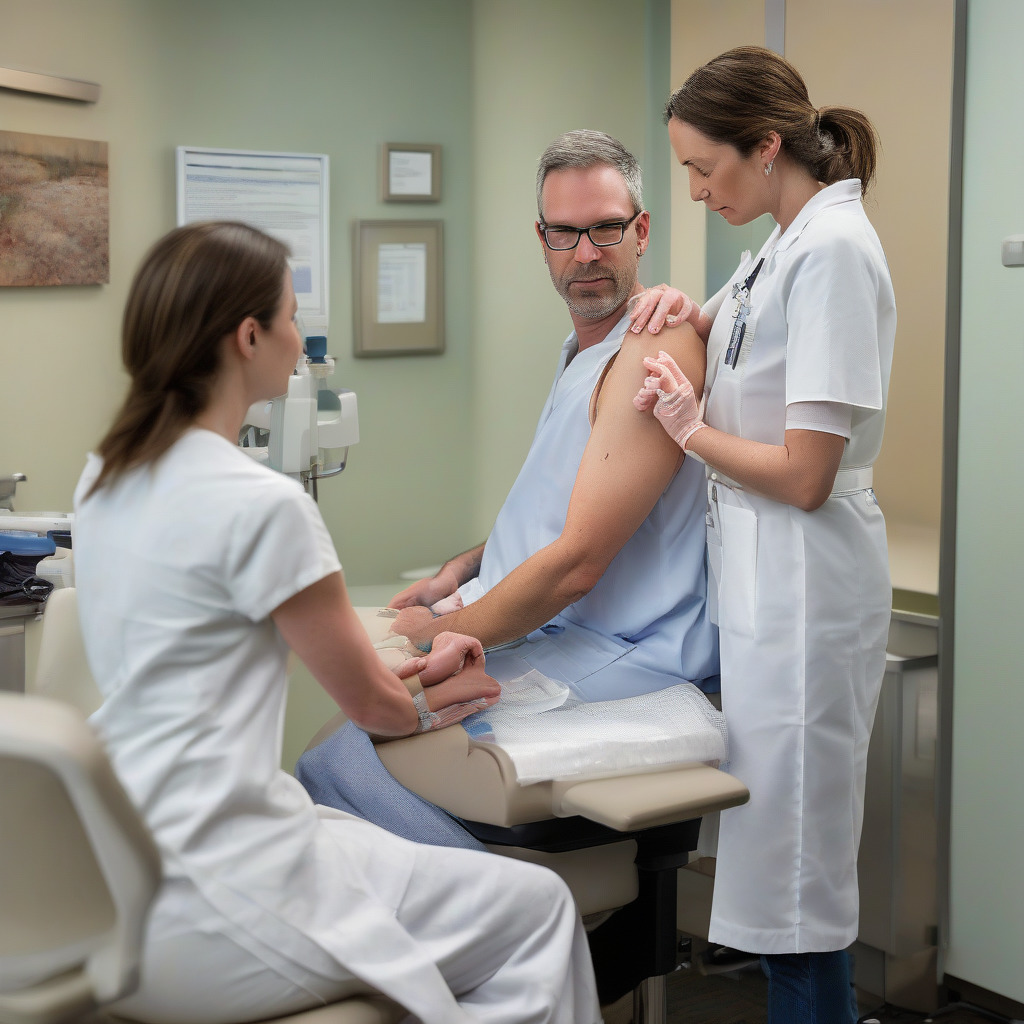
You pull into a facility on a Saturday morning. There’s a sign out front that says “Emergency Room.” The waiting room is nearly empty, the staff is friendly, and you’re seen within twenty minutes. You came in for a UTI — the burning, the urgency, the whole miserable presentation. They dip a urine stick, write a prescription, and send you home. Relief.
Six weeks later, two separate pieces of mail arrive. One is from the facility. One is from a physician group you’ve never heard of, billing from a different address with a different tax ID. Together they total $2,200. Your urgent care copay last year for the same infection was $40.
This is not a billing error. It’s how freestanding emergency rooms are designed to work, and it’s a distinction Austin’s healthcare advertising has little interest in explaining before you park.
What a Freestanding ER Is, and What It Is Not
A freestanding emergency room is licensed under Texas Health & Safety Code Chapter 254 as an emergency department — the same regulatory category as the ER inside a hospital, not the same class as an urgent care clinic. That licensing distinction creates everything that follows.
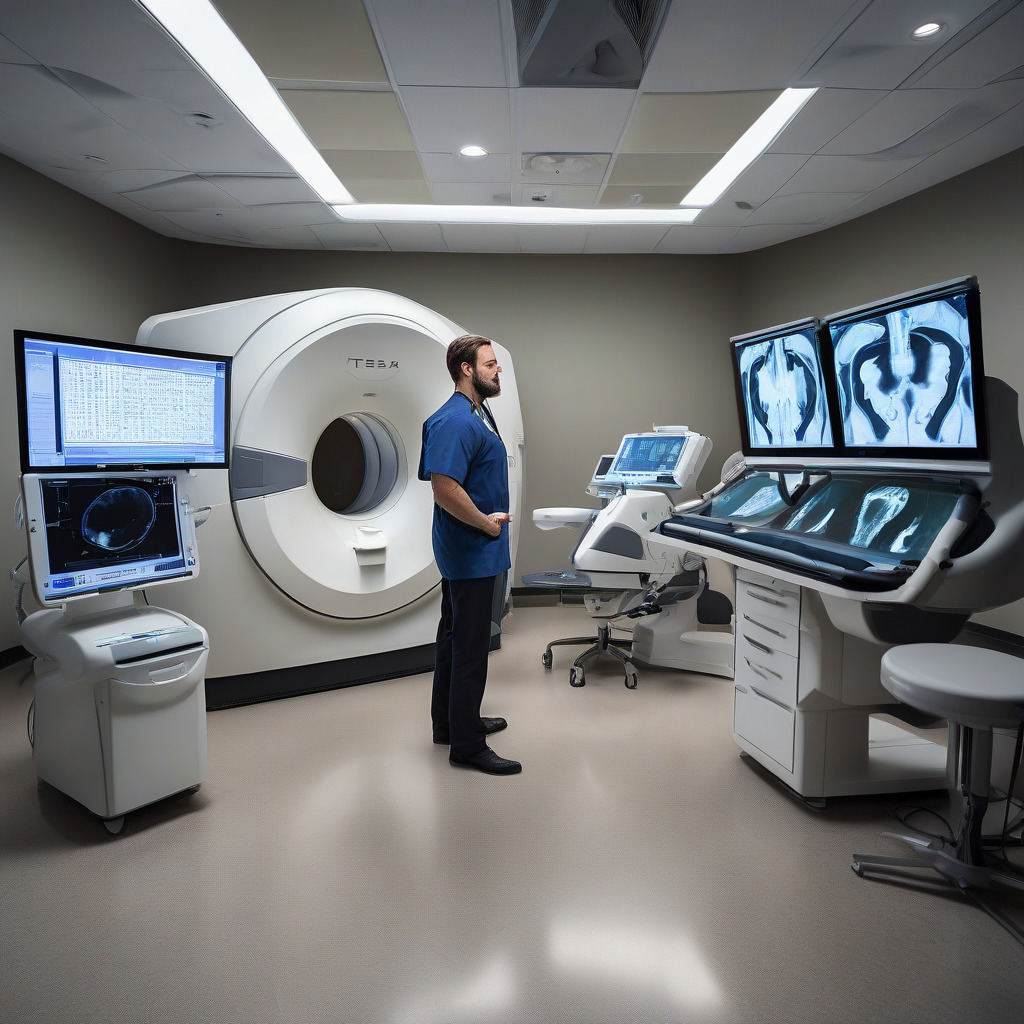
Walk past the exterior, though, and the difference disappears. Austin’s freestanding ERs sit in strip malls in Bee Cave and Cedar Park, in mixed-use developments near Mueller, in standalone buildings with landscaped parking lots off South Congress. Many advertise short wait times with LED readouts. Their marketing borrows from urgent care: fast, convenient, close to home. The clinical capabilities inside actually do exceed urgent care — CT scanners, MRI access, in-house labs, IV access, cardiac monitoring. The marketing avoids emphasizing that, because it would raise the obvious follow-up: what does this cost?
Three structural differences explain the bill.
Licensure. An urgent care clinic cannot bill as an emergency department. A freestanding ER can, because it is one — regardless of why you walked in.
Facility fees. Hospital-class facilities charge a facility fee separate from the physician’s charge. Urgent care clinics don’t. This fee covers the cost of the facility being open and staffed around the clock — nurses, equipment, monitoring systems. It’s charged whether or not any of that equipment was used on you.
E&M coding. Emergency departments assign an Evaluation and Management level to every visit, Level 1 (minor) through Level 5 (life-threatening). Patient advocates and state audits have documented that many Texas freestanding ERs assign Level 4 and Level 5 codes — the most expensive tiers — to visits that would receive Level 2 or Level 3 coding at a primary care or urgent care setting. The complaint is the same. The code is not.
Who Operates Austin’s Freestanding ERs, and Where They Are
St. David’s HealthCare operates the largest freestanding ER network in the Austin metro. Locations include the Bee Cave corridor near the Galleria (78738), Lago Vista along RR 1431, Pflugerville, Kyle, and Cedar Park. Several St. David’s locations that opened as freestanding ERs have since been relicensed as “neighborhood hospitals” — a Texas designation that adds inpatient beds and changes the billing class. If you’re at a St. David’s location with a neighborhood hospital license, you’re at a full hospital, and your insurance cost-sharing may work differently. The distinction is not prominently signed at most locations. CityDesk is verifying current licensure status for each address against the Texas DSHS FSER license database; confirm before assuming a location’s billing class.
Ascension Seton operates fewer standalone freestanding ERs. Its Austin-area presence includes locations in Hays County near Kyle, though some carry full hospital campus designations rather than FSER licenses — which affects both network status and billing. Ascension’s branding shifted after 2023 and some location names changed. Verify any Ascension location’s current licensure class before a visit.
Baylor Scott & White has limited Travis County freestanding ER presence. Its primary emergency infrastructure in Austin sits on hospital campuses in Round Rock and Cedar Park.
Independent operators are the highest billing-risk category. These are privately owned freestanding ERs unaffiliated with any major health system, frequently out-of-network with every major insurer in Travis County, and less likely to have charity care programs with meaningful eligibility thresholds. Austin’s independent freestanding ER market has contracted since 2022, with some Texas chains exiting entirely.
Leander, Hutto, and Manor have all seen freestanding ER activity follow population growth northeast. The Texas DSHS freestanding emergency care facility license list is the authoritative source for current open locations. If you spot a facility that appears to have closed or opened recently, contact the desk.
One geographic point worth making clearly: Lago Vista and parts of Bee Cave and Spicewood are well removed from any hospital ED. For residents there, a freestanding ER isn’t a billing trap — it’s the closest emergency-capable facility within a reasonable response window. The problem isn’t that these facilities exist. The problem is that their billing model applies uniformly whether or not a patient actually needed emergency-level care.
Two Bills, Not One: How the Facility Fee Works
Here’s the architecture of an actual freestanding ER bill, organized around what appears on an Explanation of Benefits.
The facility fee comes from the FSER itself. Look for Revenue Code 0450 on the itemized bill — that’s the emergency room services line. In Austin, facility fees at major health system freestanding ERs run $500 to $1,500 before any treatment charge. This fee is not negotiable at the point of care. It’s triggered the moment you’re admitted to the facility. Attached to that facility bill is an Evaluation and Management code — typically CPT 99283, 99284, or 99285. Level 3 (99283) is moderately complex. Level 4 (99284) is higher complexity. Level 5 (99285) is the most complex category. A UTI billed at Level 4 generates a higher facility fee than the same visit billed at Level 3. You won’t be told which level was assigned while you’re sitting in the waiting room.
The physician who examined you is almost certainly employed by a separate emergency medicine group — not the FSER itself. That group bills from a different tax ID and a different address, and that bill arrives separately, sometimes weeks after the first. Physician fees at Austin freestanding ERs for uncomplicated visits run $200 to $800 depending on level of service. Here’s the part that should be disclosed at the front desk and isn’t: the physician group’s network status is independent of the facility’s network status. A facility can be in-network with your insurer while the physician group billing from that same address is out-of-network. Nothing at the registration desk signals that two separate entities are about to invoice you.
The following figures come from Texas healthcare cost data and patient advocacy reports. Austin-specific EOBs will vary.
| Complaint | Austin Urgent Care (est.) | Freestanding ER Total (est.) |
|---|---|---|
| UTI, uncomplicated | $75–$150 | $900–$2,000 |
| Pediatric fever | $100–$175 | $1,200–$2,500 |
| Simple laceration | $150–$350 | $1,500–$3,500 |
| Chest pain evaluation | Not equipped — refer out | $2,000–$5,000+ |
| Chest X-ray | $100–$250 | $500–$1,200 (facility component) |
These are pre-insurance figures. Your out-of-pocket depends on whether your deductible has been met and whether both the facility and physician group are in-network. Most people can’t answer that question in the parking lot.
You Left Before They Saw You. You Still Got a Bill.
This complaint surfaces constantly on r/Austin and Austin-area Nextdoor threads, and it has a concrete legal explanation.
Under Texas law and standard freestanding ER billing practice, the facility fee is triggered at triage — the moment a nurse logs your chief complaint and takes your vitals. You don’t have to be examined by a physician. You don’t have to receive treatment. If you sat in the waiting room, gave your name and insurance card, had your blood pressure taken, and then left because the wait was longer than expected — the FSER has documented a billable encounter. Left-without-being-seen bills in Texas typically run $150 to $500 depending on how far through intake you got. Texas Department of Insurance complaint data shows this category of billing dispute among the most common FSER-related complaints filed statewide.
Texas House Bill 1616, passed in the 2023 legislative session, added disclosure requirements. FSERs must now notify patients at the point of service about facility fees and the possibility of a charge even without treatment, posted conspicuously. Whether Austin FSERs are actually doing this is something CityDesk will document in follow-up walkthroughs — and I’m not expecting a perfect record. If you visited an Austin freestanding ER recently and didn’t see a posted fee disclosure, contact us.
If you receive a left-without-being-seen bill, request the itemized statement, confirm what was documented in your chart, and file a dispute with both the billing department and your insurer if the amount doesn’t match the level of service provided.
Are Austin’s Freestanding ERs In-Network for Your Insurance?
No single answer covers Austin right now.
Blue Cross Blue Shield of Texas is the largest marketplace insurer in Travis County by enrollment. BCBSTX generally contracts with St. David’s and Ascension Seton, so St. David’s-affiliated freestanding ERs are typically in-network for BCBSTX marketplace plans. That does not mean the physician group is in-network. Confirm both.
Aetna has a documented pattern in Texas of treating freestanding ER locations as out-of-network even when the parent health system is contracted for hospital services. A St. David’s FSER visit could generate out-of-network cost-sharing under an Aetna plan even if St. David’s hospital campuses are in-network for you. If you have any ability to plan ahead, call Aetna’s member line and ask specifically about the freestanding ER address.
Molina Healthcare sells marketplace plans in Travis County. Molina’s network in Austin is generally incompatible with major health system freestanding ERs, making an FSER visit effectively a near-certain out-of-network claim for Molina members. If you have a Molina plan and you’re not in a genuine emergency, this matters a lot.
The federal No Surprises Act (effective January 2022) protects patients from surprise bills from out-of-network providers in emergencies — but its definition of “emergency” is clinical, not administrative. A UTI doesn’t clear that bar. Texas SB 1264 (2019) provides overlapping state-level protection against balance billing, but has similar definitional limits. Neither law eliminates your facility fee exposure for non-emergency visits. They cap what out-of-network providers can collect above the in-network rate. They don’t waive the facility fee. For non-emergency complaints, the No Surprises Act is not the backstop most people assume it is.
Self-Pay, Charity Care, and the Questions You Have to Ask
If you’re uninsured or underinsured, the bill you receive represents the chargemaster rate — the facility’s list price, which no insurer actually pays. Chargemaster rates at Austin freestanding ERs for a routine visit run $2,000 to $4,500. Negotiated self-pay rates, which you must request explicitly, typically come in at $800 to $2,000 for the same visit. Prompt-pay discounts of 20 to 40 percent are available at most major health system freestanding ERs and must be requested within 30 days of receiving the bill. Get it in writing.
Charity care exists at St. David’s and Ascension freestanding ERs, usually at income thresholds between 200 and 350 percent of the Federal Poverty Level. It is not offered at discharge. You have to ask — specifically, from the billing department, not clinical staff, who can’t help you with this.
Texas law requires freestanding ERs to post a self-pay price list. Ask to see it. If a facility can’t produce one, document the request and escalate to the Texas Department of Insurance.
Before paying any freestanding ER bill, ask the billing department:
- Can I have a fully itemized bill with CPT and revenue codes for each charge?
- Is the physician bill separate, and who is the billing entity for physician services?
- What is your self-pay or prompt-pay discount rate, in writing?
- Do you have a charity care or financial assistance program, and can I have an application?
- Was my visit assigned an E&M Level 4 or Level 5, and on what clinical basis?
That last question may stump the billing rep. Ask anyway. It creates a paper trail if you later dispute the coding level with your insurer. This kind of billing navigation is a recurring subject in our health and wellness coverage, particularly for services where the gap between advertised convenience and actual cost is widest.
When a Freestanding ER Is the Right Call
The billing picture above is accurate and it’s bad. It’s not an argument for never going.
Go to a freestanding ER or hospital ED for chest pain or pressure — especially with shortness of breath, sweating, or arm or jaw pain. Go for stroke symptoms: sudden face drooping, arm weakness, or speech difficulty. Go for high-speed trauma, head injuries with loss of consciousness, significant falls in elderly patients. Go for pediatric seizure, severe allergic reaction with throat tightening or difficulty breathing, altered mental status, compound fractures, or wounds with arterial bleeding. For heat-related emergencies in particular, the line between urgent care and emergency care matters: our guide to recognizing heat stroke versus heat exhaustion in Austin covers when symptoms cross into 911 territory.
For any situation where you can’t rule out something life-threatening, fee questions come second. That’s the deal. For Lago Vista residents and families in far southwest Austin, the geography reinforces this: in a cardiac or stroke event, proximity to an emergency-capable facility matters more than the facility fee. Use it.
Everything else — UTI without fever, sinus infection, ear infection, bronchitis, flu symptoms without respiratory distress, minor lacerations that have stopped bleeding, sprains, pink eye, rashes — belongs at urgent care or your primary care physician. Many Austin urgent care locations have on-site X-ray. None of them will send you a $2,200 bill for a urine dip.
Before pulling into a freestanding ER parking lot, ask yourself one question honestly: could this kill me or someone I’m with in the next hour if I don’t get emergency care right now? If yes, go in. If no, call your insurer’s nurse line or drive to urgent care.
The freestanding ER sign describes what the building is. These are real emergency rooms with real emergency capabilities. The cost of that capability is a real hospital bill — whether or not you needed it.
CityDesk Austin is conducting follow-up walkthroughs at Austin-area freestanding ER locations to document HB 1616 signage compliance and self-pay rate disclosure. If you’ve received an itemized freestanding ER bill or EOB from an Austin-area facility and are willing to share it confidentially, contact the health desk. This piece will be updated as location-level billing and network information is verified.