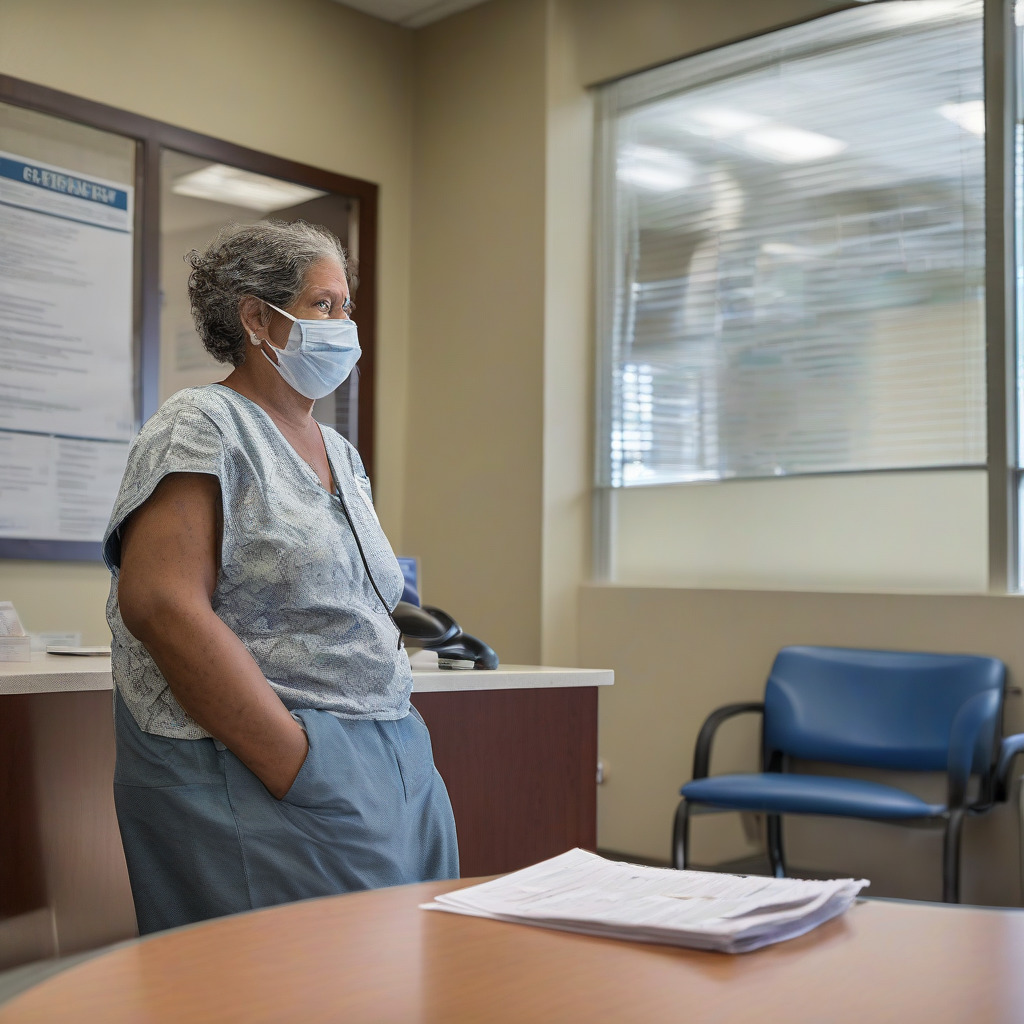
That Urgent Care Near the Domain Might Be an ER and the Bill Proves It
Depending on which door you walk through in Austin this July, a visit for a sprained ankle or heat exhaustion could cost you an urgent care copay or several thousand dollars. The two buildings may …

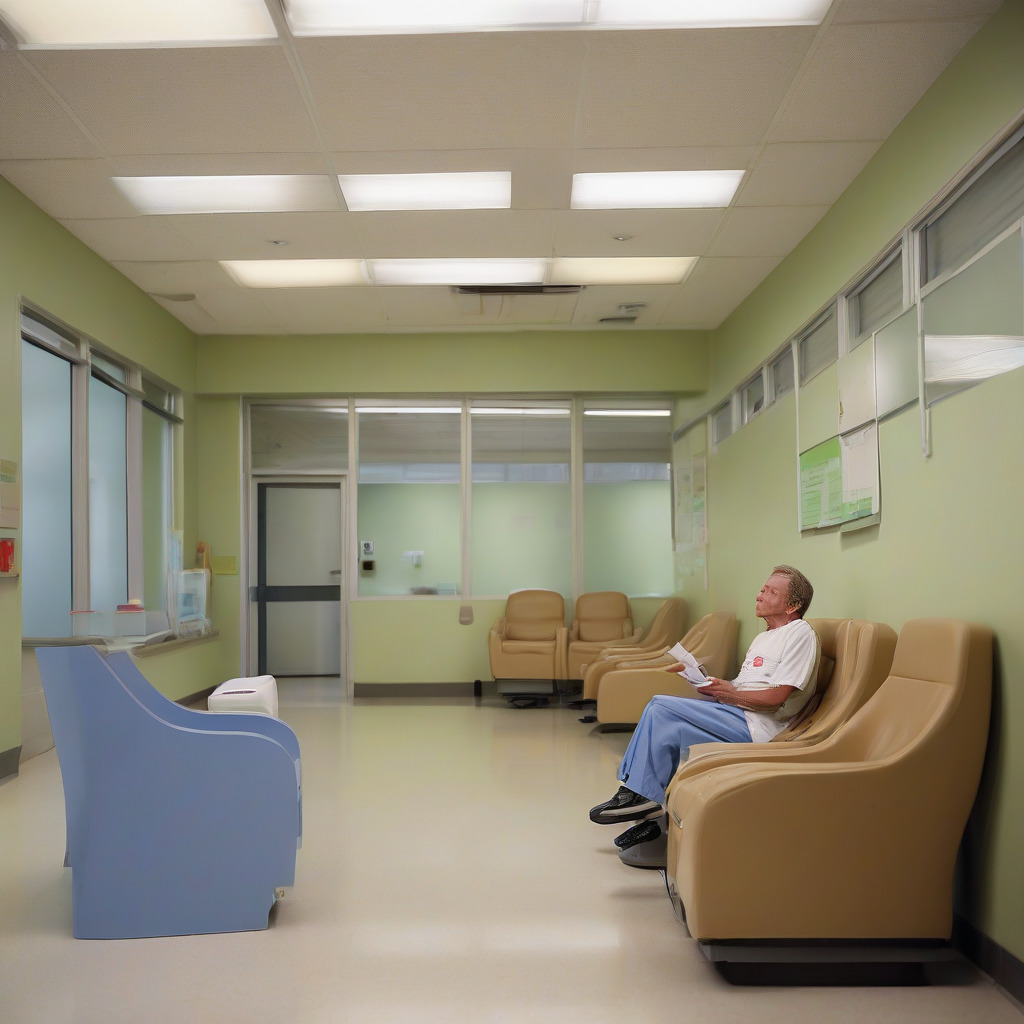
Depending on which door you walk through in Austin this July, a visit for a sprained ankle or heat exhaustion could cost you an urgent care copay or several thousand dollars. The two buildings may share a logo. That’s the part I keep coming back to.
Somewhere around the fourth week of June, Austin urgent care volumes climb. Heat exhaustion, dehydration, a kid who twisted an ankle at Barton Springs, a construction worker who pushed too long in 103-degree sun on a Pflugerville job site. By mid-July the Domain corridor, Cedar Park, and the Round Rock suburb belt are full of people doing what seems completely reasonable: ducking into the nearest facility that looks like a clinic, has a sign suggesting quick service, and accepts their insurance card.
A meaningful number of those people will receive a bill weeks later that they cannot explain.
This piece maps that billing system — which Austin facilities are genuinely urgent cares, which ones are freestanding emergency rooms operating under urgent-care aesthetics, and what that distinction costs a patient on a Tuesday afternoon with a sprained wrist and a BCBS of Texas card in their wallet.
The Bill That Started This Story
The document that illustrates this problem most clearly is an Explanation of Benefits — the EOB your insurer sends after a claim processes. In the case we reconstructed from a patient who visited a freestanding emergency room in the Cedar Park corridor last summer, there were two of them, arriving weeks apart.
The first EOB covered a physician charge. After the in-network discount, the patient owed a portion of that claim.
The second arrived three to six weeks later. It covered a facility fee. After discount, the patient owed several hundred dollars more — applied in full to a deductible they had not expected to touch for a visit they described as “basically a twisted ankle and an X-ray.” Combined out-of-pocket: well over $1,000. For a non-emergency that would have cost this patient a $50–$100 copay at ARC Urgent Care on Far West Boulevard.
This is not a billing error. It is not fraud. It’s the freestanding emergency room model working exactly as designed. July is when it catches the most people, because the volume of confused, uncomfortable patients making fast decisions about where to go is at its annual peak. And if you’ve ever tried to read signage while shepherding a limping ten-year-old through a parking lot at noon in August, you understand how fast those decisions happen.
Which Austin Facilities Are Actually ERs
Several health systems operate two entirely different facility types under a nearly identical brand. The one word that changes between them is your only reliable signal before the bill arrives.
St. David’s HealthCare maintains this distinction clearly, and to their credit, at least consistently. St. David’s Emergency Center locations are licensed freestanding ERs staffed by emergency physicians, equipped for emergent care, and billing at hospital emergency room rates, including a facility fee. Cedar Park, Kyle, Lago Vista, and Georgetown all have Emergency Center locations operating as off-campus emergency departments tucked into suburban retail corridors, generating hospital-level billing despite footprints that look nothing like a hospital. St. David’s HealthExpress locations function as true urgent cares with a different billing structure. Some hybrid HealthExpress locations may have expanded scope, so asking at the front desk whether a facility fee applies is worth the thirty seconds.
The naming shortcut is genuinely useful: Emergency Center means ER rates, HealthExpress means urgent care rates. But it works only for St. David’s properties. Don’t apply it anywhere else.
Ascension Seton operates freestanding ERs in the suburban corridors north and northeast of Austin. The Pflugerville and Round Rock areas carry Ascension branding and operate under emergency room licensure. Network status and operational details at specific Ascension addresses have shifted as the system has reorganized. The address matters more than the brand name here — check the specific location, not just the logo.
Then there’s the Adeptus legacy problem. Adeptus Health, which built a wave of freestanding ERs across Texas, went bankrupt in 2017. Some Austin-area addresses were absorbed into health system branding, some changed operators, some closed. If you remember a facility as a freestanding ER from a few years back, don’t assume anything about its current operator or billing model without checking the DSHS database.
Confirmed true urgent cares in the Austin metro: ARC Urgent Care on Far West Boulevard, South 1st Street, the Domain area, Round Rock, and Cedar Park. CareNow and NextCare operate the same way across multiple Austin locations. MinuteClinic inside CVS locations handles a narrower scope of care with single-fee billing and the lowest cash-pay rates in the market for what they treat.
The verification tool that cuts through all of this is the Texas Department of State Health Services freestanding emergency medical care facility license database at dshs.texas.gov. Any street address appearing there with an active license is a freestanding ER and will bill accordingly. That’s it.
What a Facility Fee Is and Why the Second Bill Arrives Weeks Later
A freestanding ER submits two separate claims after every visit. The professional claim covers the physician’s charge — evaluation, imaging interpretation, time spent with you. It processes through your insurer’s physician fee schedule, and the EOB typically arrives within two to three weeks.
The facility claim is different. It covers the room, nursing staff, equipment, supplies, and overhead of running a licensed emergency medical care facility. This claim goes to a separate billing entity and processes under your insurer’s hospital benefit rather than the physician benefit. It takes longer — which is why the second bill lands weeks after the first, when you’ve already mentally closed the book on the visit. That timing is not accidental.
The technical trigger is Revenue Code 0450, which tells your insurer’s claims system to apply emergency room cost-sharing rules: your ER deductible and coinsurance, not your office visit copay. For a minor visit — sprained ankle, moderate laceration, dehydration with one bag of IV fluids — freestanding ER facility fees in the Austin market typically run $500 to $1,500 before insurance adjustments. This fee is charged regardless of visit severity. Whether you came in for a level-2 emergency or a level-5, the facility operated and the overhead was the same.
The Same Sprained Ankle, Four Very Different Bills
An adult patient with a sprained ankle arrives on a weekday afternoon, gets evaluation and one X-ray (two views), and is discharged with an ACE bandage. No fracture, no IV fluids, nothing beyond the imaging. One of the most common summer presentations in Austin, at every facility type.
| Facility Type | Example Austin Location | Uninsured / Cash-Pay | In-Network with Insurance |
|---|---|---|---|
| Retail clinic (MinuteClinic) | CVS locations (Austin area) | ~$100–$130 (no X-ray capacity) | ~$0–$40 copay (limited scope) |
| ARC Urgent Care | Far West Blvd, Cedar Park | ~$400–$600 with X-ray | ~$50–$100 urgent care copay |
| CareNow | Multiple Austin locations | ~$400–$600 with X-ray | ~$50–$100 urgent care copay |
| Freestanding ER | St. David’s Emergency Center | $1,500–$3,500+ total billed | ER deductible exposure; varies by plan |
| Hospital ER (comparison) | St. David’s Medical Center | $2,000–$5,000+ total billed | ER deductible; out-of-pocket max applies |
Urgent care cash-pay ranges reflect published fee schedules and should be confirmed directly with each facility. The freestanding ER and hospital ER ranges come from cost modeling and patient-reported EOBs reviewed for this article. All figures vary based on visit level coding, insurance plan design, and negotiated adjustments.
One thing worth noting: MinuteClinic cannot handle ankle imaging. For any evaluation requiring X-rays, it’s not an option. The real choice for most Austin patients is between ARC or CareNow-level urgent care and a freestanding ER — a decision worth $1,000 or more depending on your insurance, for a visit that ends with an ACE bandage and discharge instructions. That gap is real.
The Insurance Trap Inside the Insurance Trap
Being in-network with the physician group at a freestanding ER does not mean the facility itself is in-network with your plan. Freestanding ERs contract separately as facilities. The physician group — often a separate corporate entity — may hold a contract with BCBS of Texas or Aetna. The facility may not. You can receive in-network physician care and out-of-network facility billing from the same visit.
BCBS of Texas, Aetna, and UnitedHealthcare all have different network agreements with specific freestanding ER facilities in Austin, and those agreements change when contracts renew. UnitedHealthcare has moved to explicitly exclude some freestanding ERs from its Texas networks. What was in-network six months ago may not be today.
The only reliable check: look up the specific street address — not the system name — in your insurer’s provider directory. Confirm both that the facility is in-network and which benefit tier applies. If the online directory is unclear, call member services with the address. Yes, it’s an annoying extra step. Less annoying than a $1,400 bill you weren’t expecting.
The federal No Surprises Act, which took effect January 2022, provides real protection against surprise out-of-network bills in emergency situations. What it does not do is cap what an in-network freestanding ER can charge in facility fees under your plan’s ER cost-sharing design. It closes the out-of-network surprise billing gap. The cost difference between urgent care and an ER for non-emergencies? That gap stays open. Most people assume the law did more than it did.
Texas SB 1264 (2019) added state-level disclosure requirements, including mandated signage at freestanding ERs and written notice of status before treatment in non-emergencies. In practice, this protection works best when you actually see it. Pre-visit verification is more reliable than hoping a sign catches your eye.
How to Check Before You Walk In
If you’re near the Domain, Cedar Park, Leander, Pflugerville, or Round Rock — zones where freestanding ERs cluster in the Austin metro — these steps take about two minutes.
Look up the address. Go to dshs.texas.gov and search the DSHS freestanding emergency medical care facility license database using the street address. If it appears with an active license, it’s a freestanding ER.
Read the sign. Texas law requires freestanding ERs to post notice of their status and disclose potential emergency room billing. Look for “Emergency” in the facility name. The required disclosure notice is sometimes small and positioned where a hurrying patient will miss it. Draw your own conclusions about that.
Check your insurer’s directory by address. Use the full street address, not the health system name. Confirm facility network status and which benefit tier applies.
Ask two questions at the front desk. “Are you a licensed freestanding emergency room or an urgent care clinic?” and “Will this visit generate a separate facility fee in addition to the physician charge?” Staff are legally required to answer truthfully.
Apply the St. David’s name test as a first filter. Emergency Center means ER rates. HealthExpress generally means urgent care rates, though confirming with the front desk is still worth doing. For any other operator, skip the name test and go straight to the DSHS database.
If You Already Got the Bill
Request an itemized bill immediately. Every charge on a freestanding ER bill appears as a separate line item. Billing errors — including upcoded visit levels — are a documented problem in ER billing, and you can’t spot them without the detail.
File a complaint with the Texas Department of Insurance if you believe you received a balance bill in violation of No Surprises Act protections or Texas SB 1264. The portal is at tdi.texas.gov. For uninsured patients, the Texas Attorney General’s consumer protection division handles billing disputes.
Contact a medical billing advocate through the Texas Association of Healthcare Access Management. Advocates with Texas facility fee experience can identify coding errors, negotiate directly with billing departments, and in some cases cut facility fees substantially.
Negotiate directly. Freestanding ERs have real discretion to reduce or waive facility fees for self-pay patients demonstrating inability to pay. In-network patients have less room on the facility fee itself but can dispute miscoded visit levels. Both St. David’s HealthCare and Ascension Seton run financial hardship and charity care programs — applications go through each system’s patient financial services department and can result in partial or complete forgiveness for patients below income thresholds. Patients who’ve called billing directly, asked for self-pay rates retroactively, and cited financial hardship have gotten substantial reductions. The call costs nothing.
The Microhospital Question
Licensed microhospitals — small-footprint licensed hospital facilities — have entered the Texas market and several are operating or permitted in the Austin metro. These aren’t freestanding ERs and they aren’t urgent cares. They’re licensed hospitals, which means they generate facility fees under the hospital billing framework. The bill can look similar to a freestanding ER visit but comes from a different license category.
Some hybrid locations in the Austin market are expanding scope beyond urgent care toward higher-acuity care. As they do, the naming shortcuts that work today will need updating. A facility that opened as urgent care and received an expanded license is a different billing entity than it used to be.
The building’s size and the sign are unreliable guides. The license determines the billing. Look up the license.
The Short Version
The Austin metro has a significant concentration of freestanding ERs operating in corridors where patients routinely mistake them for urgent cares. The billing consequences run from several hundred dollars to several thousand, depending on insurance status and plan design. For the same twisted ankle that gets an ACE bandage either way.
The DSHS database is free and publicly searchable. The lookup takes ninety seconds. Two questions at the front desk — “Are you a licensed freestanding ER?” and “Will I receive a separate facility fee?” — are legal to ask and require truthful answers.
In July’s heat, when you or someone in your family needs to be seen quickly, knowing which door you’re walking through before you walk through it is worth exactly that much of your time.
Editor’s note: CityDesk Austin contacted St. David’s HealthCare, Ascension Seton, ARC Urgent Care, and representatives for BCBS of Texas and Aetna regarding facility types, current cash-pay rates, and network status at specific Austin-area locations. Facility network status, cash-pay rates, and Texas DSHS license listings change. Readers should verify current information directly with their insurer and with the DSHS database at dshs.texas.gov before any visit. Cost scenarios in this article are drawn from patient-reported EOBs, published facility pricing where available, and direct inquiry. Individual bills will vary based on visit level coding and plan design.
For more local coverage, explore our Health & Wellness section.