What the Austin BBQ Scene Actually Looks Like in 2026
From Franklin's line to Lockhart's pits, a current-price, no-hedge guide for locals and visitors who want a real answer.

From Franklin’s line to Lockhart’s pits, a current-price, no-hedge guide for locals and visitors who want a real answer.
The State of Austin BBQ Right Now
Austin’s barbecue reputation was built pit by pit, long before Aaron Franklin won a James Beard Award in 2015. E. 11th Street was not a destination then. Brisket at the serious places ran around $20 a pound. The city earned its standing the hard way, and for a long stretch it had a genuine argument for producing the best smoked brisket in the world.
In 2026, that argument is more complicated. Brisket at the top tier now runs roughly $35 a pound at the flagship operations — nearly double what it cost eight years ago. A weekend afternoon at Franklin is a meaningful financial commitment, not just a time commitment.
The mid-tier has gotten more interesting, though. Talented pitmasters have opened their own places, some of them doing work the city’s legacy names simply aren’t. Lockhart, under an hour south, prices significantly lower than Austin’s flagship operations and hasn’t lost a step.
This guide does the math that most coverage skips: current per-pound price estimates, realistic wait times, and a direct answer to whether Austin BBQ still earns its reputation in 2026. Prices here are based on 2023–2024 reporting — confirm current figures directly with each operation before you go.
The Franklin Question
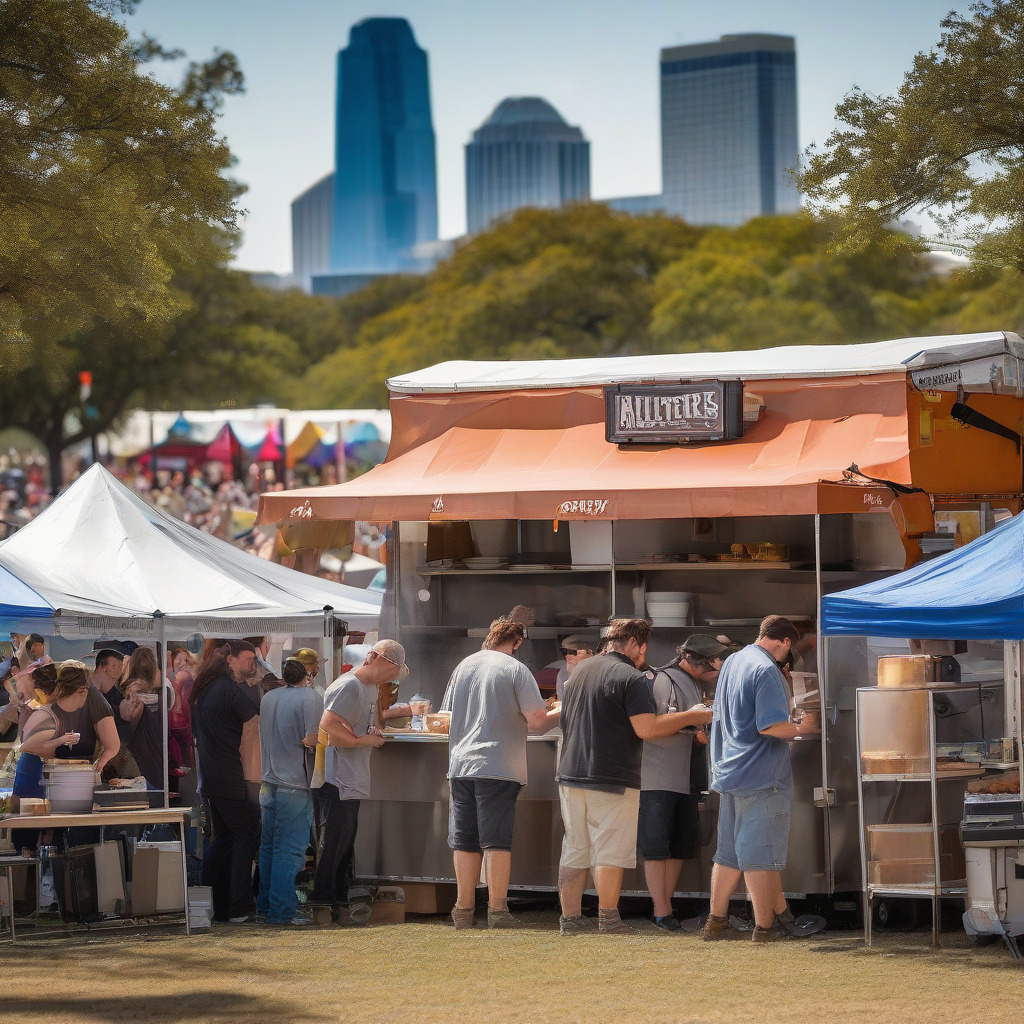
Franklin Barbecue opens at 11 a.m., Tuesday through Sunday. On a typical Saturday, the line forms by 7:30 a.m. People who don’t want to risk a sellout arrive by 8:00 or 8:30. Figure two to three hours before you reach the counter.
There’s a parallel pre-order system. Order online, pick up during your window, skip the outdoor line entirely. It’s a legitimate workaround — honestly, a pretty good one. Slots fill within minutes of release. If you’re on a fixed travel schedule and want Franklin without the line, set an actual reminder for when new slots drop on franklinbarbecue.com. I mean that literally.
Brisket runs around $35 a pound. Verify the current figure at the counter or on the website before ordering.
Here’s the thing: Franklin has produced exceptional brisket for over a decade, and the experience of standing in that line — talking to strangers from around the country, eating on E. 11th in the shade — is irreplaceable. You can’t replicate it at a strip-mall operation. But whether it’s worth it requires a personal definition, and I think people feel pressure to say yes automatically because of the name. That pressure isn’t always warranted.
For someone visiting Austin once, for whom Franklin is a bucket-list item, it probably is worth it. For a local making a value decision on a Saturday morning, there are now serious alternatives that don’t require a 7 a.m. commitment or $35-a-pound pricing.
The Pitmasters Reshaping Austin BBQ Since 2023
The most interesting thing happening in Austin BBQ right now is not at the city’s most famous address. It’s at a smaller set of operations run by pitmasters doing genuinely original work — and this, I’d argue, is actually the strongest case for Austin’s continued relevance in 2026.
Damien Brockway’s Distant Relatives is the most talked-about newer voice in Austin barbecue, and the conversation is warranted. Brockway traces his culinary framework to Afro-Indigenous foodways and operates with a menu that uses smoked meats as a foundation for a broader argument about what Texas barbecue can actually be. The smoked meats are technically serious. What distinguishes the place is context: grains, fermented elements, vegetables that aren’t afterthoughts, a sensibility that treats the whole plate as intentional. Brockway has become one of the clearest voices in the country on what Southern and Texas barbecue history actually contains — and if you haven’t read his thinking on it, you should. The operation has moved through pop-ups and collaboration formats; confirm current service days and location on their website or Instagram before visiting.
Evan LeRoy and Jared Leonard at LeRoy and Lewis have been operating since roughly 2017 and hit peak critical recognition around 2022–2023. The approach is new-school: beef cheeks, smoked lamb, accompaniments that actually complement the meat rather than filling plate space. It executes that vision with more consistency than almost anyone in the city. The brisket isn’t the focus — it’s one item among several worth ordering. The operation has been at 121 Pickle Rd., but verify format and current location before visiting; Austin’s food business landscape moves.
John Bates at Interstellar BBQ operates up in Cedar Park, which is not where most people go looking for destination barbecue. Their loss. Bates is a meticulous pitmaster, and his operation ranks among the most technically consistent in the Austin metro. Brisket runs around $24 a pound — noticeably below the top-tier Austin names. If you’re north of the river anyway, there’s no excuse not to go.
Keep an eye on operations that have emerged from the city’s food-truck sector in 2024–2025. Several pitmasters launched or expanded after years in other roles. Austin’s permitting and real estate environment has made the truck-to-brick transition both common and occasionally brief, so verify current status before making a special trip.
The Established Mid-Tier — Where Austin BBQ Delivers Consistent Value
The strongest value argument in Austin BBQ in 2026 isn’t at the top tier. It’s a group of established operations that charge less, require no 7 a.m. commitment, and produce genuinely good food. These are the places I’d tell a friend to hit first — and the kind of find you’ll encounter regularly in our Austin food & hospitality coverage.
Terry Black’s Barbecue at 1003 Barton Springs Rd. has legitimate pedigree through its family connection to Black’s Barbecue in Lockhart. Brisket runs around $26 a pound. The Barton Springs location has parking, which is not a minor consideration in Austin’s more congested BBQ corridors. For locals making a regular BBQ decision without the flagship price or wait, Terry Black’s is one of the most rational choices in the city. Rational is underrated.
Tom Micklethwait’s trailer at 1309 Rosewood Ave. in East Austin has been in the same spot long enough to feel permanent — which, in Austin’s food-truck landscape, is saying something. Prices are in the $24-a-pound range. Hours are limited and the operation sells out. Check the current schedule and arrive early.
La Barbecue at 2401 E. Cesar Chavez is the place a lot of Austin locals quietly list as their actual favorite when they’re not performing for visitors. It’s been at that address for several years. Brisket runs around $28 a pound. La Barbecue sells out most days. Aim for an early arrival. The casual feel and consistent quality have kept it off the top of the tourist radar despite producing brisket that holds up to any comparison in the city — and honestly, that relative anonymity is part of why it stays good. Once it shows up on every listicle, that changes.
Has the Quality Kept Pace With the Price?
This is the question most Austin BBQ coverage avoids. The honest answer is: sometimes, and not uniformly.
The jump from roughly $20 a pound — Austin’s serious-tier pricing in 2018 — to around $35 today is significant. Some of that is input cost. Beef prices have moved sharply since 2019. Hardwood and labor at serious pit operations have risen with them. The math isn’t fraudulent. But price increases that outpace input costs are visible in the market, and anyone paying close attention has noticed.
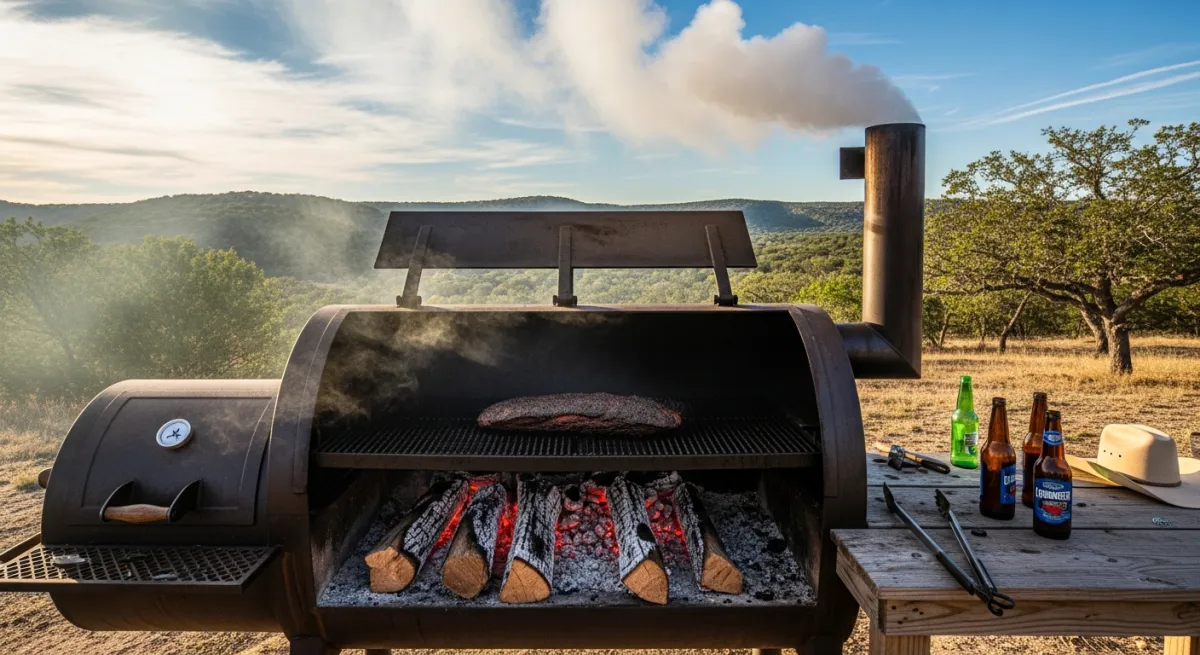
The quality markers that separate genuinely exceptional brisket from merely expensive brisket are straightforward. A properly executed brisket should have a bark that is dark, cohesive, and seasoned through rather than crusted with excess pepper. Fat should have rendered into the meat rather than sitting as a congealed layer. The smoke ring should be present but not the point. These are the result of technique, time, and wood management — not reputation.
Austin’s best pitmasters produce brisket that justifies premium pricing. The broader tier in the $28-to-$32 range requires more scrutiny. Paying at the top end doesn’t guarantee top-end quality. Austin’s reputation has created enough demand that product of varying quality still moves. That’s what happens when a food scene gets famous.
The Lockhart Calculation
Lockhart is 45 to 55 minutes from downtown Austin on US-183 South on a weekend morning with light traffic. The Texas Legislature designated it the official BBQ Capital of Texas in a 1999 resolution — not a marketing claim, a legislative one. The four main operations have continued largely unchanged in format since then, which depending on your disposition either sounds like constancy or like they’ve been immune to thirty years of ideas.
Kreuz Market at 619 N. Colorado St. relocated to its current larger facility in 1999 following a family dispute. The pit room is genuinely historic. No forks, no sauce — famously. Smitty’s Market at 208 S. Commerce St. is the original Schmidt family location, where you order at the open pit and cash is strongly preferred. Black’s Barbecue at 215 N. Main St. is the oldest family-owned BBQ operation in Texas; there’s also an Austin location at 3110 S. Congress Ave. Chisholm Trail BBQ at 1323 S. Colorado St. is the least touristed of the four — a local workers’ lunch spot that closes early and doesn’t particularly care if you’ve heard of it.
Brisket prices in Lockhart run well below Austin’s flagship operations. Kreuz and Smitty’s are around $20 a pound; Black’s is a few dollars higher; Chisholm Trail is cheaper still. What Lockhart offers that Austin doesn’t: the pit rooms at Kreuz and Smitty’s have accumulated a category of history all their own. And here’s something that consistently gets undersold — the sausage at both operations deserves more attention than it receives relative to the brisket conversation. It merits making the drive on its own.
There are no lines approaching what Austin’s popular addresses see on weekends. Lockhart doesn’t offer the range of techniques and influences Austin’s newer pitmasters are exploring — no Afro-Indigenous smoke traditions, no smoked beef cheeks. The menu is traditional Central Texas: brisket, ribs, sausage, shoulder clod. The operations aren’t trying to be anything else, and that clarity is part of the point.
For locals who visit Austin’s flagship operations several times a year, a Lockhart run once or twice makes sense both financially and experientially. For visitors who’ve never been, it’s worth the drive if you have a free weekday and want context for what Austin’s barbecue reputation is actually rooted in. Think of it as a complement to Austin’s current best rather than a substitute.
Practical Logistics
Nearly every serious Austin BBQ operation is closed Monday. Several are also closed Tuesday. Build your visit around Wednesday through Sunday.
Sell-out times are real and unpredictable. Franklin’s posted hours end when they sell out — on busy days, that can happen well before 2 p.m., sometimes earlier. La Barbecue and Micklethwait sell out regularly. If you arrive after 11:30 a.m. at the smaller operations, assume you may not get brisket. This happens constantly, including to people who drove across town specifically for it.
Summer heat on the Franklin line is a genuine physical consideration. E. 11th Street has limited shade. Austin summer mornings at 8 a.m. can be warm and humid in ways that surprise people who haven’t spent a summer here. Bring water if you’re visiting between May and September.
Parking near Franklin is limited to street spots, which fill early. A rideshare drop-off is the most straightforward option. Pre-order slots typically release on a rolling basis at franklinbarbecue.com and move fast.
Weekday visits involve shorter waits at most Austin operations. A Tuesday or Wednesday visit to Franklin, when it’s open, will typically have a meaningfully shorter line than Saturday. If you have schedule flexibility, use it.
The Verdict
Austin’s barbecue reputation in 2026 is real in the places where it matters and coasting in the places where it doesn’t. Most coverage refuses to say that plainly.
The city’s best current argument for its own status isn’t a single address. Franklin still produces the classic Texas brisket experience at its most technically refined. Distant Relatives is doing the most original and intellectually serious work in the tradition right now — it’s not close. Interstellar and La Barbecue offer serious quality without the flagship price or the line. These operations, in different ways, justify Austin’s standing.
Where Austin is coasting: operations that have repriced toward the top of the market without a corresponding upgrade in technique or sourcing. Premium pricing requires premium execution, and not every Austin establishment is delivering on that in 2026. You’ll figure out which ones quickly once you’ve eaten at the places that are.
The direct answer is this: Austin BBQ is still worth it, but only if you know which Austin BBQ you’re talking about. The city is producing some of the most interesting smoked meat in the country. It’s also charging more than ever for an uneven field. The days when any address with a serious pit justified a pilgrimage are over.
Go to Franklin once. Go to Distant Relatives. Drive to Lockhart for the context and the savings. Build your own map from there.
CityDesk Austin covers local business, food, and economic life in Austin and Travis County. Prices are estimates based on 2023–2024 reporting; confirm current prices, hours, and operating status directly with each operation before visiting.