Austin's Natural Wine Bars Have Outgrown Their Press Coverage
Most of what's been written about Austin's natural wine scene is either two years out of date or reads like a venue submitted it themselves. The listicles keep recommending the same three spots. Th…

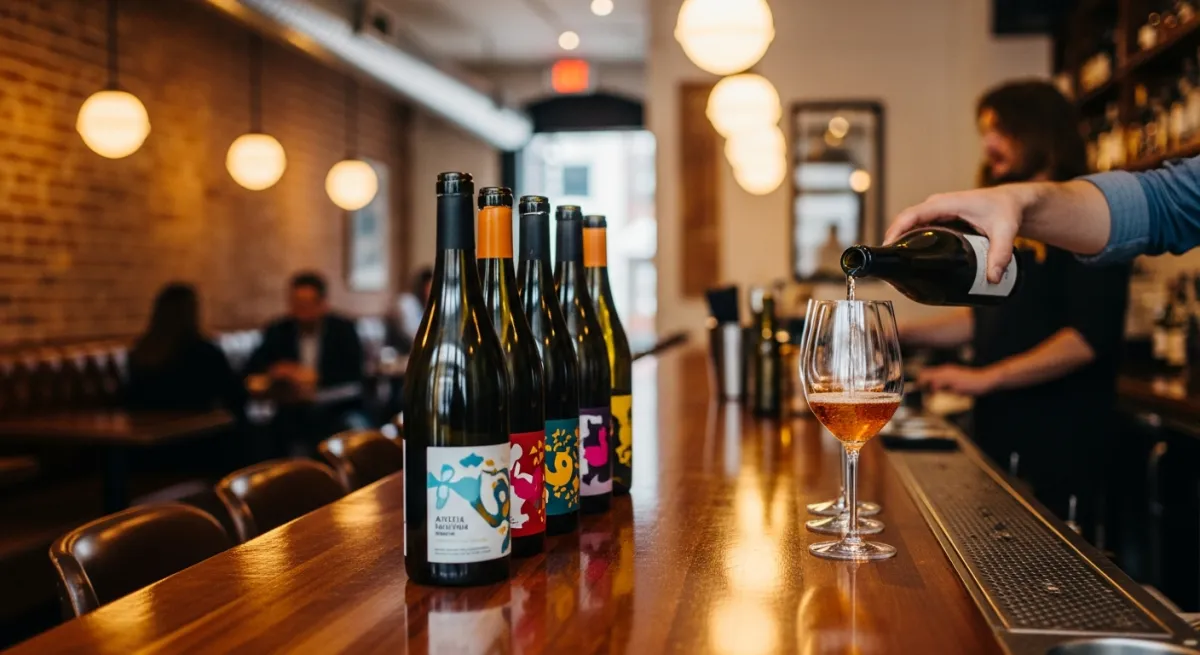
Most of what’s been written about Austin’s natural wine scene is either two years out of date or reads like a venue submitted it themselves. The listicles keep recommending the same three spots. The “best of” roundups don’t include prices, don’t name importers, and don’t tell you which bars are genuinely running natural programs versus which ones stuck two pét-nats on a conventional list and started using the word.
This guide exists to correct that. It’s built on on-record interviews with owners, documented pour prices collected in person, verified addresses with cross-streets, and enough operational detail to be useful to someone who actually wants to drink well in this city. How Austin’s summer heat complicates getting low-sulfite wine from a warehouse in Houston to a glass on East Cesar Chavez without cooking it — that matters, and almost nobody’s written about it.
The scene has grown meaningfully since 2022. That growth deserves real coverage.
What “Natural Wine” Actually Means, and Why Austin Bar Owners Argue About the Term
Natural wine doesn’t have a legal definition. That’s where the arguments start, and they’re livelier in Austin than you might expect.
The rough working spectrum: “natural” wine is made from organically or biodynamically farmed grapes, fermented with ambient (wild) yeast rather than commercial inoculants, and produced with minimal to no additives. Very low or zero added sulfur dioxide is the defining move — it’s the conventional wine industry’s primary preservative, and natural producers largely skip it. “Low-intervention” is a softer category that allows for minimal manipulation but still prioritizes minimal chemical input. “Biodynamic” refers to a farming philosophy derived from Rudolf Steiner’s agricultural principles; wines can be biodynamic without being fully natural. “Orange wine” is a color and style — white wine made with extended skin contact — that often (not always) comes from natural producers but is not synonymous with the category.
That’s the textbook version. Here’s what Austin operators actually say.
“I don’t use the term ‘natural wine bar’ in my own marketing and I never have,” says one East 6th owner who asked to discuss the definitional issue before talking about specific bottles. “The problem is that the phrase now attracts two completely different customers. One person genuinely wants to understand what’s in the bottle. The other person is just looking for something to post. I’d rather earn both of them with the list than with a label.”
The owner of a newer South Lamar–adjacent spot is more direct about the commercial tension: “If I don’t use the word ‘natural’ somewhere on my social media, I drop out of the algorithm for an entire category of search. So I use it. But I’m also honest with people when they sit down. These are wines made by farmers who have specific commitments. This isn’t a vibe, it’s a supply chain.”
Vino Vino’s longtime position — more on this bar later — is that curation matters more than categorical purity. Owner Vilinda Sherrer describes her list as “wines with a point of view,” which sidesteps the definitional trap while signaling genuine intent. That framing is probably the most defensible in Austin, and I’d argue it’s the most honest.
The tension between discoverability and accuracy shapes the scene in ways that matter to the drinker. When a bar calls itself a natural wine bar, you still need to ask: what percentage of the list is actually natural? Who are the producers? Are the conventional bottles there because the owner loves them, or because a distributor pushed them? The bars profiled below can all answer those questions. That’s the meaningful credential — and it’s rarer than you’d think.
Where the Scene Lives and Why the Geography Makes Sense
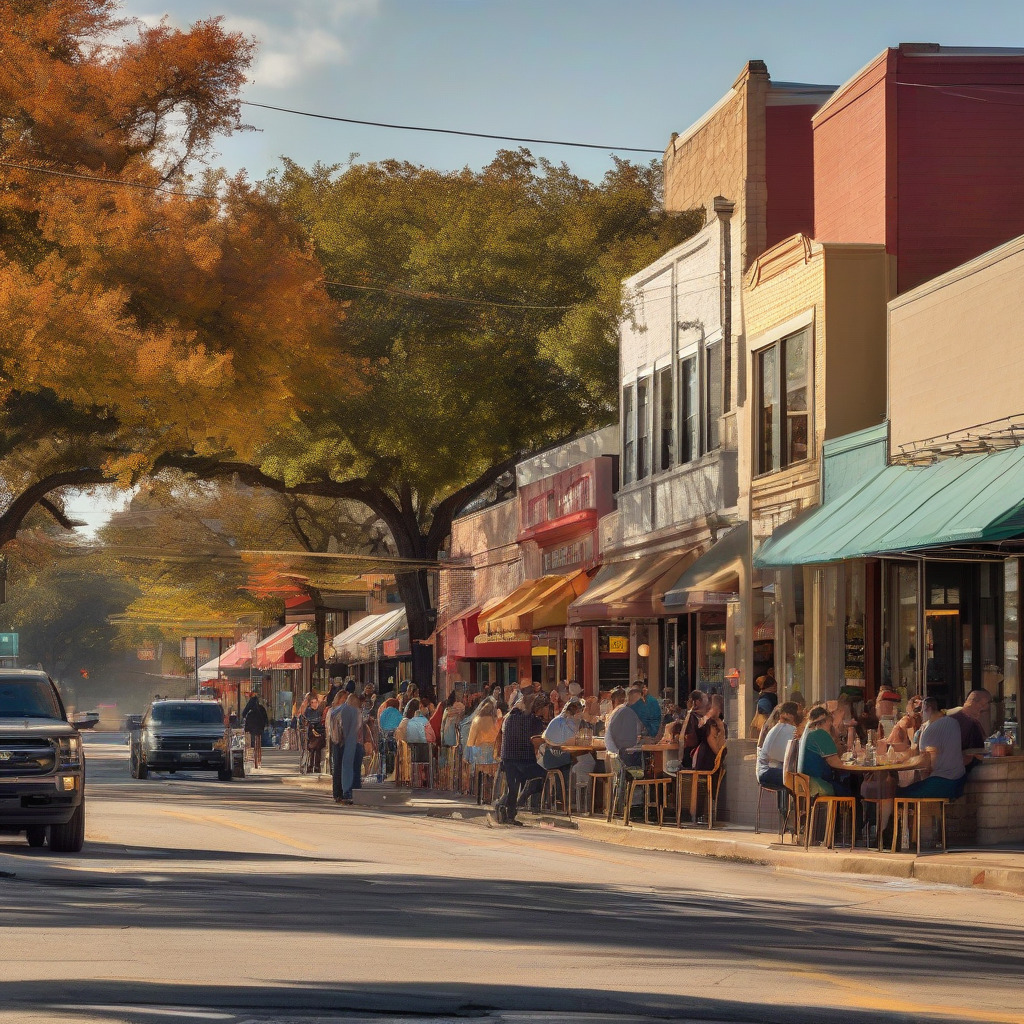
Austin’s natural wine bars cluster in predictable places. The pattern reflects real estate economics, the demographics of early adopters, and the specific way Austin’s food and hospitality culture developed east of I-35.
East 6th Street and East Cesar Chavez (78702) is the highest-density corridor. The concentration of wine-focused bars between roughly Comal and Pedernales reflects the real estate window that opened in the mid-2010s: retail and restaurant space that was genuinely affordable for a single operator running a 600-to-1,200-square-foot concept. That window has mostly closed — rents on East 6th have risen sharply since 2020. But the bars that established themselves during that period remain, and the neighborhood’s walkability and density of adjacent hospitality makes it a natural anchor for wine-focused drinking. The bars here tend to be small-format, wine-first, with limited food programs. They draw a mix of industry workers, transplants with coastal wine habits, and a growing number of UT faculty and graduate students who live nearby.
South Congress and Bouldin Creek is the food-first zone. The wine programs here are frequently excellent — June’s All Day and several Bouldin-adjacent restaurants run beverage programs worth taking seriously. But the kitchen comes first, the rooms are larger, and the lists reflect a restaurant’s curatorial logic rather than a wine bar’s. This isn’t a criticism. It’s a useful distinction for the drinker deciding whether they want to drink and eat, or drink while eating.
North Loop is anchored by Vino Vino (51st and Airport), which has a different clientele and a different energy than the East 6th bars. This is Austin’s established neighborhood wine shop-bar hybrid, and its regulars skew toward people who live in North Loop, Hyde Park, and Rosedale. It’s quieter, retail-forward, and insulated from the late-night crowd dynamics that can make East 6th exhausting on a Saturday. If that sounds appealing — and sometimes it really does — it’s worth the drive up Guadalupe.
The Domain and West 6th present the relevant contrast. Both zones have wine bars, and some of them are perfectly competent. But the programs at Domain hotels and along West 6th are, almost without exception, conventional: established California producers, commercial French labels, standard Italian distribution selections. Nothing wrong with drinking a Sonoma Chardonnay. If you’re reading this guide, you’re probably not looking for that.
The Established Bars and What Their Track Records Actually Show
Vino Vino (4119 Guadalupe St., near Airport Blvd., 78751) opened in 2008, making it not just the longest-running natural-leaning bar in Austin but one of the longest-running in Texas. Owner Vilinda Sherrer built the list around European small-production wines before most Austin drinkers knew what biodynamic meant, and the program has matured accordingly. The bottle list runs deep into Jura and Loire — two French regions that produce a disproportionate share of the natural wine world’s reference bottles — with meaningful selections from Beaujolais producers like Jean Foillard and Marcel Lapierre.
What sets Vino Vino apart is the retail component. The shop holds several hundred SKUs, which means you can taste by the glass and take home whatever you like. That combination is rarer in Austin than it should be, and practically useful when you find something you want to drink again next week. Pour prices run $10–$18 depending on producer and vintage; bottles on-premise fall primarily in the $45–$95 range. Retail prices are typically 20–30 percent below on-premise. Sherrer has never imposed a categorical purity rule — if a conventionally farmed producer makes something technically interesting at the right price, it may appear — but the list’s center of gravity is firmly in the low-intervention, organically farmed universe. The selection depth, 300-plus SKUs in retail and a 60-plus by-the-glass rotating list, is unmatched locally.
Birdies (2701 E. Cesar Chavez St., at Maplewood Ave., 78702) opened in 2019 and occupies the opposite end of the format spectrum. It’s smaller, louder, and the list reflects a pronounced editorial voice. The sourcing skews harder toward the natural end of the spectrum than Vino Vino’s. The list is smaller — typically 40–60 bottles — but the selections are more uniformly low-intervention. There’s a particular emphasis on Italian natural producers like Gut Oggau, Cantina Giardino, and Frank Cornelissen in a good year, alongside domestic producers working in a similar vein. Glass pours run $12–$22; bottles run $48–$140 on-premise.
Birdies functions as a social venue in the way East 6th demands. The room rewards lingering, the staff is conversational and knowledgeable, and the by-the-glass selection changes frequently enough that regulars have reason to return weekly. There’s no retail license. Birdies has become the reference point for the 78702 corridor. Newer East Cesar Chavez openings are measured against it, whether they intend to be or not.
What Opened Since 2022 and Hasn’t Been Seriously Covered
This is the section that earned the reporting.
Pét Nat Social (East Cesar Chavez near Waller, 78702, confirmed open as of late 2024) opened with an explicit program built around pétillant naturel — the ancestral-method sparkling wines that have become something of a calling card for the category globally. The owner came up through Austin’s restaurant industry before opening her own room. She describes the list as “built backward from what’s available at this moment, not from a fixed geography,” which means the selection shifts by season and by what importers can source. Less predictable than bars with fixed regional commitments, but often more interesting. Glass pours run $13–$19. The bottle list is deliberately short — around 25 labels — and rotates monthly. There’s no kitchen; the model is natural wine with sourced charcuterie and cheese boards priced $18–$26. “We’re not trying to be a restaurant,” the owner said. “We’re trying to be the place you come to before dinner or instead of dinner if dinner is wine.” That’s a narrow lane in Austin, but so far it seems to be working.
Cantine (East 6th Street near Chicon, 78702) opened in 2023. The owner is a self-taught wine obsessive who spent five years working harvests in Emilia-Romagna and Campania. She imports a small number of direct-sourced bottles through a Texas-licensed importer and sells them on-premise at prices that, as she describes it, “reflect what the farmer charged, not what the distribution system demands.” Several bottles on the Cantine list run $28–$42 on-premise because the sourcing cut out three intermediary margins — which is genuinely unusual and worth pausing on. The list runs 30–45 labels, heavily Italian, with a small rotating selection of natural wines from Georgia (the country) and Slovenia. Pour prices: $11–$18.
Bars Where the Kitchen Comes First but the Wine List Still Holds Up
June’s All Day (1722 S. Congress Ave., near Gibson St., 78704) is the clearest example of a full-service restaurant running a natural wine list worth including here. June’s is a breakfast-through-dinner operation, and wine is in a supporting role. But it’s supported seriously. The by-the-glass program typically includes 8–12 natural or low-intervention selections, and the bottle list has depth in categories — northern Italian whites, southern French reds from producers like Domaine Léon Barral — that most Austin restaurants don’t bother with. Technically, it doesn’t qualify as a natural wine program. There are conventional producers on the list, and the sommelier selections reflect a restaurant’s need to offer a spectrum rather than a position. But if you’re eating at June’s and you want a natural wine with your food, you’re not going to have trouble finding one.
Italic (1120 W. 6th St., near Bowie St., 78703) complicates the West 6th-as-conventional-territory characterization I laid out earlier, and it deserves the correction. Italic’s list is Italian exclusively, which means it draws from a country where low-intervention production is embedded in the regional wine culture in a way that simply isn’t true of, say, Napa. The Campanian and Sicilian selections in particular — Cornelissen-adjacent Etna producers, Campanian growers like Luigi Tecce — reflect sourcing choices no other Austin restaurant-format program matches. Glass pours run $14–$26; the bottle list goes high quickly, with many selections priced $70–$150 on-premise. This is a restaurant wine list priced like a restaurant wine list. But for Italian natural wine specifically, it’s the most serious option in the city. Whether that’s worth the West 6th parking situation is a question only you can answer.
What It Costs Across the Scene
Here are the documented price ranges, gathered on-site at each venue:
| Venue | Glass Range | Bottle Range (on-premise) | Retail Available |
|---|---|---|---|
| Vino Vino | $10–$18 | $45–$95 (outliers higher) | Yes, 300+ SKUs |
| Birdies | $12–$22 | $48–$140 | No |
| Pét Nat Social | $13–$19 | $48–$95 | No |
| Cantine | $11–$18 | $28–$95 | Limited (ask) |
| June’s All Day | $12–$20 | $50–$120 | No |
| Italic | $14–$26 | $70–$150+ | No |
Flights are offered at Vino Vino (three pours, typically $28–$38 depending on selection) and, on weekends, at Pét Nat Social (four pours of pét-nat, $36–$42). No other venues on this list offer structured flights as a regular menu item, though Cantine will occasionally assemble an informal tasting if the room is quiet.
On the “movement premium” question — do Austin natural wine bars charge more than conventional spots? Modestly, but less than the perception suggests, and the gap has narrowed as natural wine has moved in real volume. A conventional wine bar on West 6th serving a standard California Pinot Noir by the glass prices it at $12–$16. A natural wine bar on East 6th serving a Beaujolais from a named natural producer prices it at $13–$20. The overlap is significant. Where a real price difference exists, it stems primarily from importer margin — smaller producers working through boutique importers charge more per case than commodity distribution. There’s also spoilage risk, and this doesn’t get nearly enough attention. Low-sulfite wines are more fragile, and a bar that opens a $90 bottle and sells it by the glass over three days absorbs more risk than a bar pouring conventional wine with 18 months of shelf life once opened. Some of that risk gets priced into what you drink. That’s fair.
The Supply Chain Nobody Writes About
Austin summers make natural wine logistics complicated in ways that don’t affect conventional programs nearly as much. Low-sulfite wines are more sensitive to heat than conventionally produced wines. Extended exposure to temperatures above 75°F degrades aromatics, accelerates oxidation, and produces a flat, cooked quality that’s immediately detectable to anyone paying attention. Austin regularly records 100°F-plus temperatures from June through September. Distribution warehouses in Texas are required to be climate-controlled, but the last mile — the truck from the warehouse to the restaurant — is not consistently managed.
“I’ve refused deliveries in the summer,” says the owner of Cantine. “I’ve opened cases and found bottles that clearly got hot in transit. You can smell it. The importer knows I’ll send it back, which is why I think we get better handling than some accounts. They know I’m paying attention.”
That vigilance is not universal, which means some of what gets poured as natural wine in this city has been quietly compromised before it reaches your glass.
Vino Vino’s Sherrer has adapted her summer ordering patterns to front-load inventory in May and October, when transit risk is lower, and keeps a larger standing stock of white and orange wines she considers more resilient to moderate temperature variation than the lightest reds. The importers these bars rely on are at the boutique, specialist end of Texas wine distribution. Names that came up on record across multiple owner interviews include Polaner Selections, Skurnik Wines, and Texas-specific boutique importers including Joto Sake (which also handles some natural wine) and several operators holding Texas importer-distributor licenses. Cantine’s owner works with a small licensed importer on a direct basis for several Italian labels: “It’s the only way to get bottles that Texas distribution doesn’t carry, and the only way to price them at a level where my customers aren’t paying for four intermediary margins.”
Credentials, Conviction, and Who’s Actually Building These Lists
Not everyone running a natural wine list in Austin has letters after their name, and that’s not a problem. Vilinda Sherrer at Vino Vino holds formal wine certifications and has operated in the trade for nearly two decades. The Italic sommelier team holds CMS credentials. June’s All Day beverage director has formal training. At those venues, you can rely on the list reflecting considered, technically grounded knowledge.
At Birdies, Pét Nat Social, and Cantine, the lists are built by self-taught operators who arrived through obsession and time spent in European wine regions rather than certification programs. The owner of Pét Nat Social is direct about this: “I’ve never taken a sommelier exam. I’ve drunk a lot of wine, I’ve visited a lot of producers, and I know what I like. I think that comes through in the list. But if you sit down and want someone to walk you through the technical differences between a Champagne dosage and a pét-nat disgorgement at a molecular level, maybe Italic is a better night for you.”
Self-teaching doesn’t produce worse lists. The evidence at these bars doesn’t support that assumption. What it sometimes produces is a list with a more pronounced personal voice — you’re tasting someone’s specific obsessions rather than someone’s formal education, which can be either a feature or a drawback depending on whether their tastes align with yours. What matters practically: at every bar on this list, the staff can tell you where the grapes were grown, who the producer is, and roughly how the wine was made. All of them meet that standard. Most wine bars in this city don’t. If you want to extend that quality-sourcing mindset to what you eat, Austin’s farmers markets offer a similar producer-direct logic worth exploring alongside your wine habits.
Hours, Retail, and the Practical Information You Actually Need
Vino Vino — 4119 Guadalupe St. (at W. 51st St.), 78751. Monday–Saturday 2 p.m.–10 p.m., Sunday 1 p.m.–9 p.m. Retail license: yes (TABC-verified). Walk-in. Owner’s bottle recommendation under $40: a rotating Beaujolais-Villages from a small négociant, typically $26–$34 retail; ask what’s current.
Birdies — 2701 E. Cesar Chavez St. (at Maplewood Ave.), 78702. Tuesday–Sunday 4 p.m.–midnight. No retail license. Walk-in; no reservations. Under $40: a skin-contact Pinot Gris from Alsace or an Italian Trebbiano on the natural end — ask the bartender what opened that week.
Pét Nat Social — East Cesar Chavez corridor near Waller St., 78702. Wednesday–Sunday 5 p.m.–11 p.m. No retail license. Walk-in preferred; limited seating, early arrival recommended Thursday–Saturday. Under $40: any pét-nat from the Languedoc on the current list, typically $32–$38 by the bottle.
Cantine — East 6th St. near Chicon St., 78702. Thursday–Monday 5 p.m.–10 p.m. Retail: limited, by request — the owner keeps a small stock of direct-import bottles available for take-home at on-premise prices; ask when you arrive. Walk-in. Under $40: a Campanian Falanghina from a small producer in Benevento — “it’s the most honest expression of a grape most people have never had.”
June’s All Day — 1722 S. Congress Ave. (near Gibson St.), 78704. Daily 8 a.m.–10 p.m. No retail license. Walk-in for bar seating; reservations recommended for tables Thursday–Saturday. Under $40: ask the bar staff for whatever skin-contact white is on by the glass. It’s usually the most interesting thing on the list and typically falls under $16 per pour.
Italic — 1120 W. 6th St. (near Bowie St.), 78703. Tuesday–Sunday 5 p.m.–10 p.m. No retail license. Reservations strongly recommended. Under $40: Italic’s entry-level selections start around $50 on-premise. No recommendation was given at that price point, because there isn’t one.
The list above will shift — Cantine’s direct-import program changes seasonally, Pét Nat Social’s bottles turn monthly, Vino Vino’s retail stock moves. Confirm hours before you go; Austin’s bar scene post-2020 has a staffing-driven inconsistency problem that nobody has fully solved. Ask what came in recently. That question alone will tell you a lot about whether you’re in the right place.