Where to Get a Mammogram in Austin for Free or Under $150 This October
If you're searching for a mammogram in Austin right now, you've probably already hit the same wall: every top result sends you to a Susan G. Komen national donation page or a CDC awareness campaign…

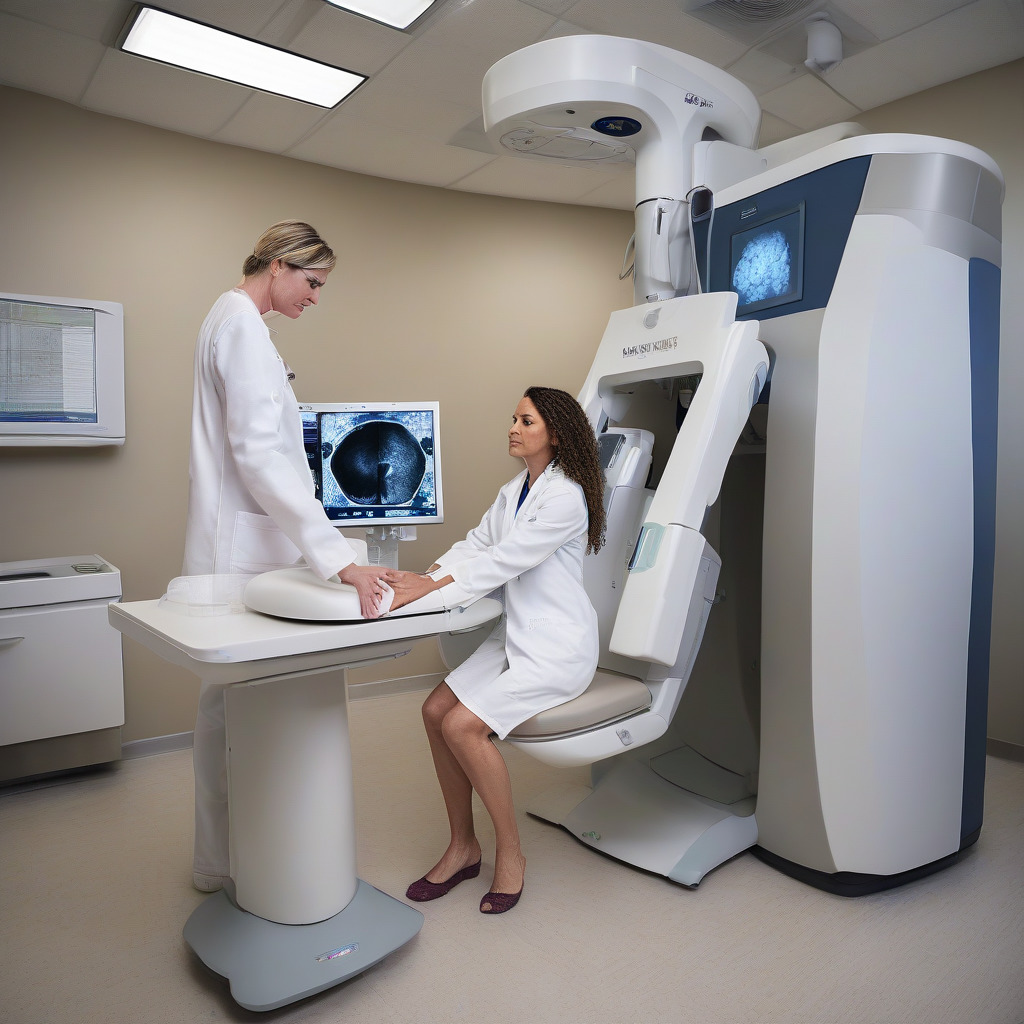
If you’re searching for a mammogram in Austin right now, you’ve probably already hit the same wall: every top result sends you to a Susan G. Komen national donation page or a CDC awareness campaign — no Austin addresses, no phone numbers, no prices. This article exists to fix that. Named facilities, income thresholds, estimated self-pay costs, referral requirements, and what uninsured women actually bring to their first appointment.
Why October Matters — and Why the Information Is So Hard to Find
Breast Cancer Awareness Month drives the highest search volume of the year for mammogram access. Austin’s safety-net clinics see the corresponding surge in demand. The locally specific information to meet that demand? Remarkably hard to find. I’ve spent time trying to locate it myself, and the gap between what people are searching for and what actually comes up is genuinely frustrating.
There’s also a clinical reason this particular October matters. In 2024, the U.S. Preventive Services Task Force updated its mammogram guidelines — the recommended starting age for average-risk women dropped from 50 to 40. Women in their early to mid-forties who were previously told to wait, by their insurance plan, a prior provider, or outdated online information, may now qualify for covered or subsidized screening. A lot of them haven’t heard about it yet.
Start Here: Insurance Status and Age
The insurance question surprises people: being uninsured is frequently an advantage in Austin’s free and sliding-scale programs, not a disqualifier. These programs exist specifically for women without private insurance or Medicaid. Show up at a Texas Breast and Cervical Cancer Services site with a commercial insurance card and you may actually become ineligible — because the program fills the gap insurance leaves.
On age: thresholds vary by program. Texas Breast and Cervical Cancer Services screens women ages 21 to 64, with mammogram screening typically starting at 40. Women under 40 with documented family history or symptoms can sometimes access services with a provider recommendation. CommUnityCare and People’s Community Clinic follow USPSTF guidelines and will initiate screening at 40 for average-risk women. If you’re 30 or older with a first-degree family history of breast cancer, ask explicitly when you call — some sites will move earlier. Susan G. Komen Central Texas CARE Program targets women 40 and older who are uninsured or underinsured at or below 250% of the federal poverty level.
Income thresholds are set as percentages of the federal poverty level. You don’t need to know the precise dollar figures — clinics calculate eligibility when you call — but knowing roughly where you fall helps identify which programs to pursue first. For broader context on Austin’s health access landscape, including free and low-cost clinic options, our health & wellness coverage tracks these resources on an ongoing basis.
Free and Sliding-Scale Mammograms at Austin’s Safety-Net Clinics
CommUnityCare
CommUnityCare runs Austin’s largest federally qualified health center network, with several locations offering on-site or coordinated imaging for established patients. The Montopolis Health Center at 1840 Meinardus Drive (78741) sits in one of East Austin’s most densely uninsured ZIP codes and has Spanish-speaking scheduling staff — practically significant for patients whose primary language isn’t English, not just a demographic footnote.
Sliding-scale fees are based on income and family size. Estimated out-of-pocket for a screening mammogram: $0–$40 depending on your income tier. Above 200% FPL, you pay a discounted rate, not zero. Confirm the current fee schedule when you call.
CommUnityCare is not a walk-in mammogram center. You need to be an established patient or complete an intake appointment first, at which a provider orders imaging. If you’re new to CommUnityCare, ask specifically: “How long is the wait for a new patient intake, and can my mammogram be ordered at that first visit?” In some cases they can coordinate same-day imaging orders for new patients who arrive with prior records.
Other sites with imaging coordination: North Loop Health Center at 7112 Ed Bluestein Blvd. and St. John Health Center at 2218 Rosewood Ave. Call the main scheduling line and ask which location has the shortest wait for a new patient mammogram order. Don’t assume — it shifts.
People’s Community Clinic
People’s Community Clinic is at 1101 Camino La Costa (78752). Sliding-scale model, same basic structure as CommUnityCare: see a clinician first, get the imaging order, then schedule the mammogram. Estimated self-pay: $0–$40 depending on income tier. Spanish-language staff available. They can walk you through intake over the phone, which is worth doing before you show up.
The Referral Question Nobody’s Answering Online
At both CommUnityCare and People’s Community Clinic, you cannot call and book a mammogram directly. You book a clinical appointment, a provider sees you, that provider orders the mammogram, then imaging gets scheduled — either on-site or at a partner radiology facility. This is standard FQHC practice, and it exists for legitimate clinical reasons. It also means you’re looking at a two-step process that could stretch over a week or more depending on appointment availability.
Call now. Not the last week of October.
If speed matters more than cost, Texas BCCS, Komen Central Texas, and Austin Radiological Association all allow you to schedule imaging without a prior provider relationship. Faster paths, different tradeoffs.
What to bring to a first FQHC appointment: government-issued photo ID, proof of income (pay stub, tax return, or a signed self-attestation form if your income is informal), any prior mammogram records or films, and if relevant, something documenting family history of breast cancer. A written note from yourself is fine for that last one — nobody needs a formal letter.
The Texas Breast and Cervical Cancer Services Program
Texas BCCS is a state-administered program through the Department of State Health Services that funds free mammograms and cervical cancer screenings for eligible women. It is not Medicaid. You don’t enroll in a government insurance plan. The program pays the provider directly and you owe nothing.
Eligibility: ages 21–64, uninsured or underinsured (insurance that doesn’t cover screening mammograms counts as underinsured), income at or below 200% FPL, Texas resident. Mammogram screening typically starts at 40.
Both CommUnityCare and People’s Community Clinic are likely enrolled BCCS billing sites — confirm when you call — which means the free screening you receive at either clinic may be funded through this program on the backend. You don’t apply to BCCS separately. Contact Austin Public Health’s clinical services team and ask about BCCS referrals. They function as a local entry point: they can identify the nearest enrolled provider, confirm your income eligibility, and get the intake process moving.
This is the call to make if you’ve hit a wait-time problem at the FQHCs, or if you want a second option running in parallel. Current contact information at austintexas.gov/health — direct-line numbers get updated periodically, so go to the source.
Susan G. Komen Central Texas: What the Local Chapter Is Actually Offering
The national Komen brand dominates breast cancer search results. The practical irony is that the most useful local chapter information gets buried beneath its own organization’s national pages.
The CARE Program is Komen Central Texas’s year-round free screening referral initiative: uninsured or underinsured women 40 and older at or below 250% FPL. Komen connects patients to partner imaging facilities and covers the cost of the screening. It’s not a voucher you print at home — there’s an intake process, and Komen coordinates the scheduling.
For October specifically, Komen Central Texas typically arranges screening events around the More Than Pink Walk and runs community outreach at partner clinics. Confirmed October 2026 dates weren’t available as of this writing. Check the Komen Central Texas events calendar directly — it’s updated on a rolling basis and is the only reliable source for current scheduling. Contact them through the website and ask specifically for CARE program enrollment.
Mobile Mammography Units in Austin This October
Mobile mammography matters in a city where getting from Del Valle to a North Austin clinic on a bus is a genuine half-day commitment.
Komen Central Texas runs mobile screening events at churches, community centers, and employer campuses across East, North, and South Austin throughout the year. October is their highest-volume month. Confirmed October 2026 dates: check the Komen Central Texas website.
CommUnityCare mobile health vans operate in Rundberg/North Loop, Del Valle, and parts of Southeast Austin. One thing to know: mammogram imaging isn’t always available directly on the van. Mobile units often conduct health assessments and referral enrollment, with imaging scheduled at a fixed site afterward. Call CommUnityCare’s main line and ask what’s scheduled in October and whether mammogram referrals can be initiated on-site.
Ascension Texas previously operated a mobile mammography coach in Austin. Ascension went through significant operational restructuring in 2024–2025. Confirm the current status of their mobile programming directly with Ascension Texas patient services before you plan around it.
Three places to check for October updates: Komen Central Texas website (events section), CommUnityCare’s calendar at communitycaretx.org, and Austin Public Health’s email newsletter at austintexas.gov/health.
What You’ll Actually Pay If You Don’t Qualify for Free Programs
Austin Radiological Association is the most accessible self-pay option for women above the income thresholds. ARA operates multiple Austin locations, allows direct self-scheduling without a physician referral, and cash-pay screening mammogram rates run under $150. Confirm the current self-pay price when you book — it varies by location.
St. David’s HealthCare publishes self-pay rates under federal price transparency rules for CPT code 77067 (screening mammogram, bilateral). Rates at St. David’s imaging departments run higher than ARA — roughly $150 to $300-plus depending on campus. Use the price estimator on their website before you book. No referral required for self-scheduled screening. St. David’s has a charity care program; if cost becomes a problem after the fact, ask for financial counseling at registration or call the billing department about retroactive application. These programs are underused because patients don’t know to ask after they’ve already been seen.
Ascension Texas similarly publishes pricing under transparency rules, and similarly runs in the $150–$300-plus range at their Austin campuses — but individual facility rates vary more than St. David’s, so get a location-specific estimate from patient financial services before your appointment rather than assuming the website figure applies to your campus. Ascension also has a financial assistance program evaluated at time of service. No referral needed to schedule.
Honest take: for self-pay patients who just want to book quickly and spend the least, ARA is the cleaner experience. The hospital systems have more administrative friction, and the price transparency tools, while required by law, are not exactly intuitive to navigate. If navigating Austin’s broader primary care options is part of your planning, Austin pediatric and OB-GYN practices accepting new patients is a related resource worth checking for women establishing care.
Quick-Reference Chart: Austin Mammogram Options at a Glance
Costs marked * are estimated from published sliding-scale structures and prior-year market rates. Confirm before your appointment. “Referral required” means you need a prior provider relationship or physician order to schedule imaging.
| Provider | Address | Estimated Out-of-Pocket | Income Threshold | Age | Referral Required | Bilingual | How to Book |
|---|---|---|---|---|---|---|---|
| CommUnityCare Montopolis | 1840 Meinardus Dr, 78741 | $0–$40* | Free ≤100% FPL; reduced to 200% | 40+ (30+ with family history) | Yes — intake visit first | Yes (Spanish) | Call main scheduling line |
| CommUnityCare (other sites) | Call for nearest location | $0–$40* | Same | 40+ | Yes | Varies | Call main scheduling line |
| People’s Community Clinic | 1101 Camino La Costa, 78752 | $0–$40* | Free at lowest tiers | 40+ (30+ with family history) | Yes — intake visit first | Yes (Spanish) | Call clinic directly |
| Texas BCCS (via Austin Public Health) | Multiple enrolled sites | $0 | ≤200% FPL, uninsured/underinsured | 21–64 (mammogram at 40+) | No — direct intake | Varies | austintexas.gov/health |
| Komen Central Texas CARE Program | Partner sites (navigator-coordinated) | $0 | ≤250% FPL, uninsured/underinsured | 40+ | No — Komen coordinates | Yes | Komen Central Texas website |
| Komen Central Texas Mobile Events | Community sites (October schedule TBC) | $0 | ≤250% FPL | 40+ | No | Yes | Komen Central Texas website |
| Austin Radiological Association | Multiple Austin locations | Under $150* (verify) | None | 40+ | No | Call to confirm | ARA website or phone |
| St. David’s HealthCare Imaging | Multiple campuses | ~$150–$300+* (verify) | Charity care available; ask at registration | 40+ | No | Interpreter services | St. David’s price estimator |
| Ascension Texas Imaging | Multiple campuses | ~$150–$300+* (varies by campus — call) | Financial assistance at time of service | 40+ | No | Interpreter services | Ascension TX patient financial services |
Call Today
The most common reason women miss the October window isn’t lack of access. It’s assuming they’ll sort out the details next week. Next week becomes November. CommUnityCare and People’s Community Clinic see appointment volume spike in October, and new patient intake slots fill before the imaging schedule does.
If you don’t know where to start, call Austin Public Health and say you need help accessing a mammogram through the Texas Breast and Cervical Cancer Services program. That one call gets you routed to the right enrolled provider, eligibility confirmed, and scheduling started. You don’t need to already know which clinic has capacity or how BCCS billing works. That’s their job.