What Austin's Expansive Clay Is Doing to Foundations Right Now and When to Call Someone
If you've found a crack in your foundation or interior walls this summer, you're not imagining things and you're not alone. Austin foundations move during dry summers — not because houses are falli…

If you’ve found a crack in your foundation or interior walls this summer, you’re not imagining things and you’re not alone. Austin foundations move during dry summers — not because houses are falling apart, but because the specific clay underneath roughly half of Travis County is doing exactly what it does every dry summer: shrinking. Understanding that process, knowing which cracks matter and which don’t, and figuring out who to call first could save you a significant amount of money, depending on what you actually need.
Why Austin Foundations Move in Dry Weather
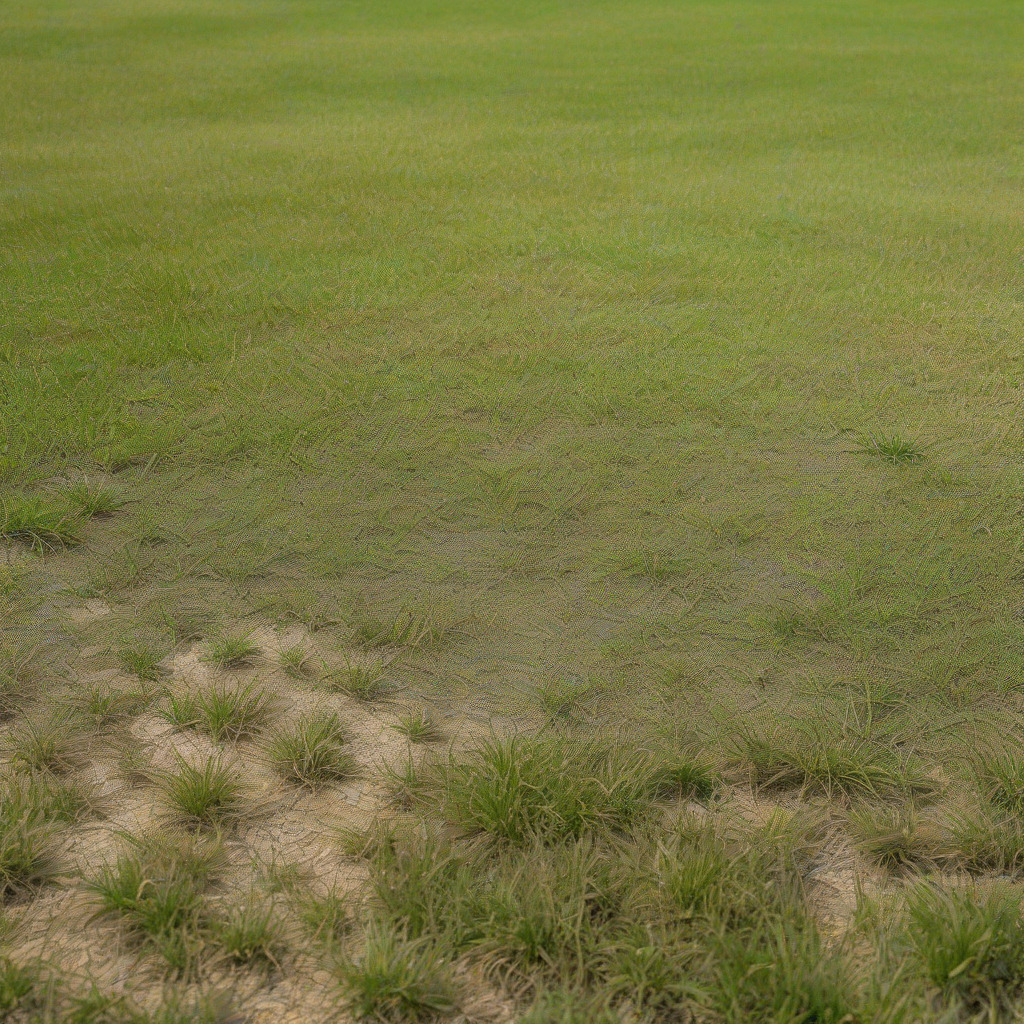
The ground beneath eastern and central Austin is not just dirt. It’s Houston Black Vertisol, the dominant soil series of the Blackland Prairie. Soil scientists classify it as expansive clay. The USDA Natural Resources Conservation Service rates these soils using a Linear Extensibility (LE) scale — essentially how much a soil column shrinks as it dries. Houston Black clay in Travis County scores in the “High” range, with LE values typically above 6 cm/m, the threshold NRCS uses for significant shrink-swell activity. Soils rated above 6 cause foundation problems without special design accommodations. That’s the baseline condition for a large portion of this city. Not a risk factor. A given.
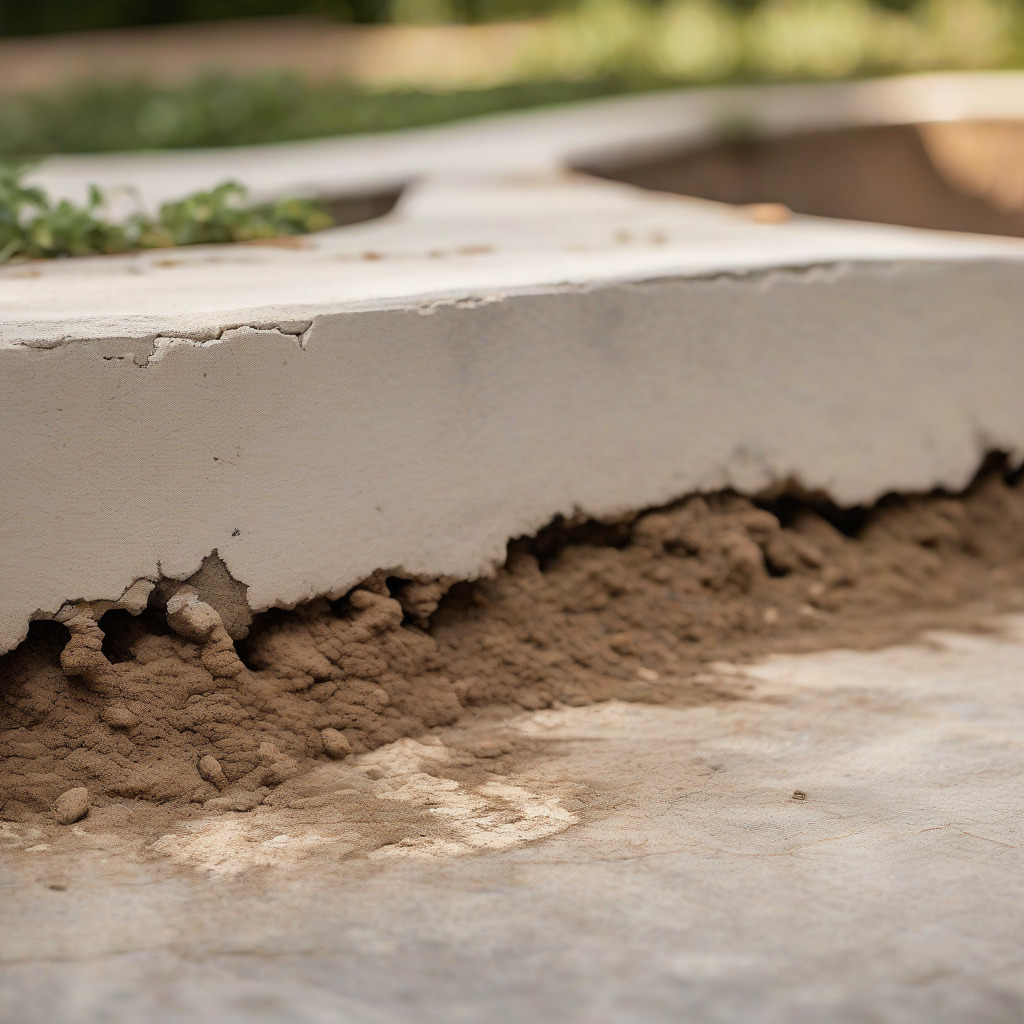
When the soil is wet, it expands and pushes upward against your slab. When it dries, it contracts, pulling away from the perimeter beam and sometimes subsiding beneath the interior. A post-tension or conventionally reinforced slab can handle some of this movement, but it cannot handle unlimited movement. The slab either rides the movement — which can mean differential settlement across the footprint — or it cracks.
Most homeowners miss a timing detail that matters: there’s a four-to-eight-week lag between peak drought stress and visible cracking. Austin typically gets spring rainfall that keeps the upper clay layer saturated. When summer heat arrives, evapotranspiration pulls moisture from the soil faster than most people realize. The soil loses moisture at depth first, not at the surface. By the time you’re finding new cracks in late summer, the soil movement actually began weeks earlier. A rainy spring followed by a dry summer is often worse for foundation movement than a uniformly dry year — the clay absorbs more water and then releases it faster. If this summer’s following a wet March and April, that’s not reassuring news.
Drought compounds this stress significantly. During the 2022–2023 drought cycle, Austin clay shrank enough that some homes experienced differential settlement well beyond normal seasonal movement. The 2022 dry spell produced foundation cracking that didn’t fully heal when 2023 rains came, because the clay hadn’t rehydrated completely. Multi-year drought penetrates deeper and produces settlement that doesn’t fully reverse.
None of this means your house is failing. It means your house is in Central Texas.
Your ZIP Code Determines Your Risk, and East Austin Is Not Westlake
Before you look at a single crack, understand what’s under your foundation. The geology doesn’t operate on uniform rules across the city.
Eastern Austin — ZIP codes 78702 (East Cesar Chavez, Cherrywood), 78721, 78723 (Windsor Park, University Hills), 78741 (Pleasant Valley, east of I-35 south), 78744 (southeast Austin), and 78745 (South Congress corridor south of Ben White) — sits primarily on Houston Black Vertisol or closely related dark expansive clays. These are the neighborhoods where seasonal foundation movement is most common and most predictable. If you live in any of these ZIP codes and you’ve got a new crack this summer, clay shrinkage is the most likely explanation. The Texas A&M AgriLife Extension offices that serve these neighborhoods get consistent calls in July and August about the same patterns: new hairline cracking, perimeter pullback, doors that have started to stick. It’s almost seasonal now, like cedar fever but less annoying and more expensive.
Western Austin operates under entirely different geological rules. ZIP codes 78746 (Westlake, West Lake Hills), 78733 (Bee Cave Road corridor), and 78735 (Southwest Austin) sit primarily on Edwards Plateau limestone — either at the surface or under a thin layer of clay and caliche. Foundations here don’t typically fail from clay shrinkage. They fail from karst: the dissolution of limestone creates voids that migrate upward and can cause sudden, localized subsidence. Karst failure is less predictable seasonally and more dramatic when it happens. A Westlake homeowner might wake up to find a corner of the house has dropped three inches overnight. An East Austin homeowner with the same-sized house will see a half-inch of settlement gradually accumulate over eight weeks. If you’re in Southwest Austin or Westlake with a new crack this summer, the evaluation approach is the same — call a PE — but tell the engineer specifically where your house sits. The soil context changes what they’re looking for.
The most complicated cases are in central neighborhoods that straddle the Balcones Fault Zone, the ancient geological boundary between Hill Country limestone and Blackland Prairie clay. Brentwood, Hyde Park, North Loop, and the eastern edges of Tarrytown all sit near this transition. Mixed soil conditions can exist within a single block — in some cases within a single lot, especially on lots that were graded during development and have fill on one side. A house in Brentwood may have limestone bedrock under the garage slab and expansive clay under the back bedroom. That heterogeneity produces differential settlement, and you should look at a plot-level NRCS soil map before making assumptions. The Web Soil Survey at websoilsurvey.sc.egov.usda.gov lets you enter any Austin address and see the mapped soil series for your parcel. It takes about two minutes and is genuinely worth doing before you call anyone.
Read Your Cracks Before You Call Anyone
Here’s the practical triage guide most homeowners want and can’t find without wading through contractor marketing.
Hairline cracks — anything under 1/16 of an inch, roughly the thickness of a credit card edge — are cosmetic and normal on Austin slabs and interior drywall during summer dry spells. They don’t warrant professional evaluation. The monitoring zone begins at 1/16 inch and extends to 1/4 inch. If a crack falls in this range, photograph it with a coin for scale, note the date, and watch it over several weeks. Anything wider than a standard pencil — approximately 1/4 inch — warrants a call to a licensed structural engineer.
Width alone isn’t the whole picture, though. Pattern tells a structural story.
Stair-step cracking in brick veneer is one of the most significant things you can observe. When a brick facade develops diagonal cracks following the mortar joints in a stair-step pattern, it indicates differential settlement — one section of the foundation has moved relative to an adjacent section. A brick wall that settles uniformly will craze or develop small horizontal cracks. A wall that rotates, with one corner dropping while the adjacent corner stays put, creates the distinctive stair-step fracture. Even relatively narrow stair-step cracks deserve professional attention, because the pattern itself indicates meaningful foundation movement regardless of the width.
Crack displacement is when one side of a crack sits higher than the other — the two edges aren’t level. Run your finger across it. If you can feel a step, that matters. A displaced crack 1/8 inch wide is more concerning than a uniform crack twice as wide, because the displacement tells you the foundation has rotated or tilted rather than just stretched.
Horizontal cracks in stem walls — the vertical concrete or block walls forming the perimeter of a raised foundation — suggest lateral soil pressure, meaning the soil is actively pushing inward rather than having simply pulled away.
Secondary symptoms carry real diagnostic weight when they correlate with crack appearance. If a door or window that previously operated normally now sticks, binds at the top corner, or won’t latch — and this change appeared around the same time as new cracks — the slab geometry has changed. A door binding in isolation, especially in an older Austin bungalow in summer, may just be wood expansion. But a door binding at the same time as a new stair-step crack in the brick on the same wall? That’s different. The door is giving you real-time feedback that the wall frame has shifted out of square.
To answer the question most homeowners actually ask: hairline cracks and visible clay pullback at the perimeter of the slab during a dry summer are normal. You won’t find an Austin house over thirty years old without evidence of seasonal movement in drywall or in the slab. Cracks wider than a pencil, any crack displacement, stair-step brick fractures, and doors binding in a pattern correlated with new cracks warrant professional evaluation. If you’re buying or selling and foundation condition is part of the conversation, what a summer home inspection in Austin should catch that others miss covers how inspectors approach these same symptoms in a transaction context.
”Foundation Inspector” Is Not a Licensed Title in Texas, and That Matters
This is the consumer protection information that almost no one publishing on this topic will tell you, because most of the people publishing on this topic are contractors with piers to sell.
Texas does not license or regulate the title “foundation inspector.” Anyone — regardless of training, credentials, or financial stake in the outcome — can call themselves a foundation inspector and offer you a free inspection. When you search “foundation inspection Austin” and click the first result, you’re almost certainly reaching a foundation repair contractor whose business model depends on selling you piers. The free inspection is lead generation. The pier recommendation is the sale. Some of those contractors are honest and some of their assessments are accurate. But you should understand the structure of what you’re walking into before you pick up the phone.
Two meaningfully different entities exist when you’re dealing with a foundation concern.
A licensed structural engineer (PE) works under the Texas Engineering Practice Act (Texas Occupations Code, Chapter 1001), administered by the Texas Board of Professional Engineers and Land Surveyors (TBPELS). A PE license requires an accredited engineering degree, passing the Fundamentals of Engineering exam, documented work experience, and passing the Principles and Practice of Engineering exam. PEs face disciplinary action for negligent practice. Their written assessments carry legal weight and can be submitted for building permits, used in real estate transactions, and presented in legal proceedings. A PE who tells you that you need piers when you don’t is putting their license at risk. That incentive structure matters enormously.
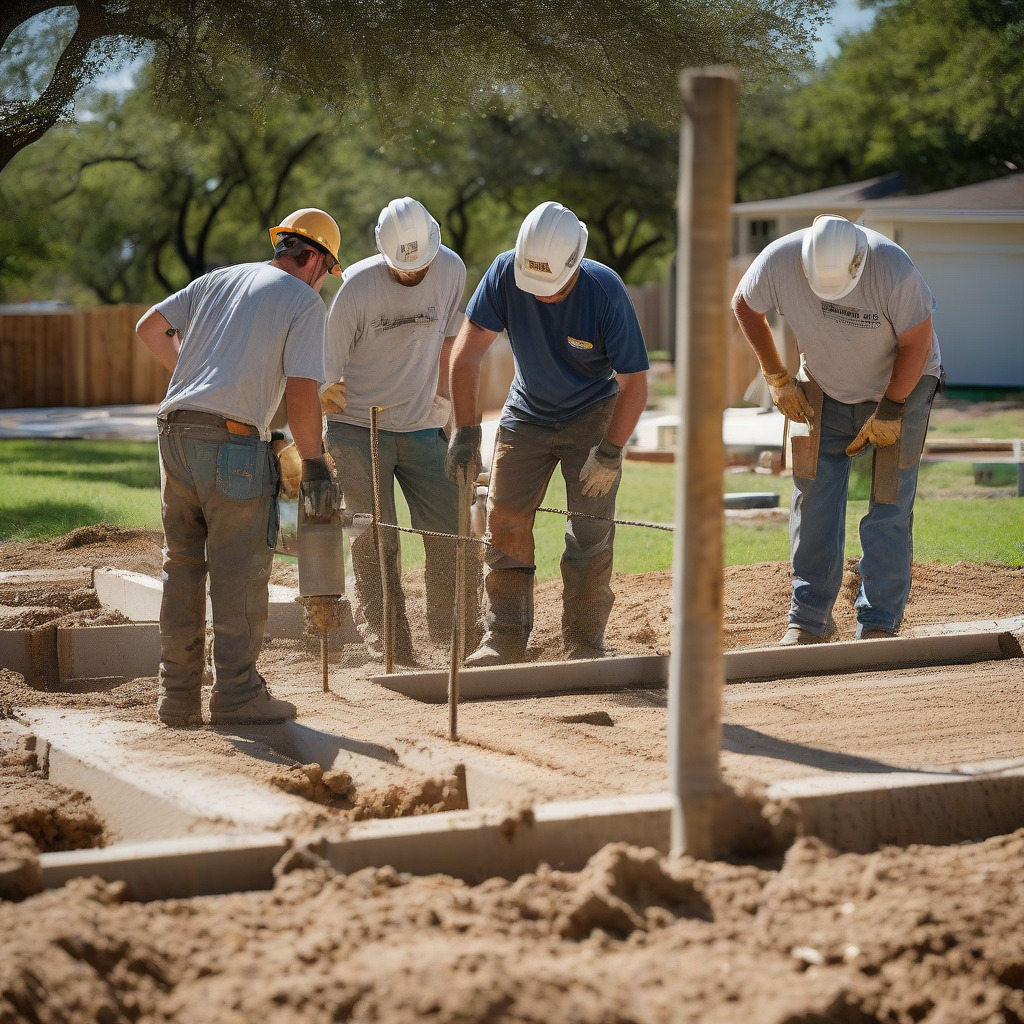
A foundation repair contractor holds a construction license under the Texas Department of Licensing and Regulation (TDLR). Their “free inspection” is lead generation. A company that installs piers has a direct financial interest in recommending piers — the same dynamic as asking a roofer whether you need a new roof. Sometimes you do. But you have no structural way to verify that unless you have an independent engineering assessment to compare against.
You can verify any PE’s active license at engineers.texas.gov. Click “Verify a License,” search by name or license number. Thirty seconds, tells you whether the engineer is licensed and in good standing. Do this before you pay anyone for an evaluation.
What an Independent Foundation Evaluation Costs and What It Must Include
An independent assessment from a licensed structural PE in Austin currently runs roughly $300 to $600 for a standard single-family residential inspection. Some engineers with specialized geotechnical backgrounds charge more. The fee varies based on square footage, foundation complexity, and whether a formal written report with a PE stamp is required.
The evaluation needs to include four things. First: visual inspection of the entire structure, interior and exterior — every room, the perimeter, the garage slab separately if present, the brick veneer, window and door frames, any visible stem walls or piers. Second: an elevation survey across the slab. This is what separates a real engineering assessment from a visual once-over. A licensed engineer will use a Zip-Level Pro or comparable instrument to measure the actual elevation at multiple points across the slab. The result is a contour map showing exactly where and how much differential settlement has occurred. Without elevation data, any repair recommendation is a guess — potentially a very expensive one. Third: a written report with specific findings and recommendations. “No action needed” is a valid and common finding. A good PE will tell you that your slab has measurable differential settlement concentrated at one corner, that this is within acceptable range for a slab of this age and construction type, and that you should monitor it and return in two years. That report is worth the fee even when the answer is nothing. Fourth: a PE stamp if the report is being used for permits, insurance, or a real estate transaction. Ask upfront whether the stamp is included.
What an independent PE evaluation does not include: a pier estimate, a subcontractor referral, pressure to decide immediately, or a sales pitch. If any of those things appear in your interaction with someone billing themselves as an independent engineer, ask whether they have a financial relationship with any repair contractor.
The math is simple. A legitimate evaluation at $500 can protect you from an unnecessary repair bid of $8,000 to $20,000. It can also confirm a real problem before it worsens. Either way, it’s the only way to make an informed decision.
To find an independent structural PE in Austin: go to engineers.texas.gov, click “Verify a License,” and search under the “Structural” discipline filtered to Austin-area ZIP codes. Several sole-practice PEs in Austin do residential-only evaluations and can sometimes schedule faster than larger firms. Buyer’s agents in the Austin Board of Realtors network routinely refer independent PEs and can point you toward practitioners with residential experience. For homeowners weighing whether the cost of repairs makes financial sense relative to staying or selling, our home & property coverage addresses related decisions around Austin real estate value.
How to Read a Contractor Bid After You Have an Engineering Report
If your independent PE evaluation finds a problem warranting repair, you’ll be getting contractor bids. The three pier systems Austin contractors use are not interchangeable, and understanding the differences is worth a few minutes.
Pressed concrete piers — also called segmental piers or hydraulic pressed piers — are the oldest and most common method in Austin. Pre-cast concrete cylinders are hydraulically pressed into the ground using the weight of the house as resistance. They’re the least expensive option, running roughly $250 to $400 per pier depending on depth achieved and site conditions. They work well in many Austin soil conditions but their performance depends on where they terminate. If the cylinders stop in clay that continues to move, the repair moves with it.
Steel push piers work on the same hydraulic pressing principle but use galvanized or epoxy-coated steel sections. They can be driven deeper and reach bedrock more reliably than pressed concrete, which matters in karst areas where bedrock depth is unpredictable. Per-pier cost currently runs $1,200 to $1,800 installed. More expensive, but if your house sits over deep clay or you’re west of MoPac, the depth reliability may be worth it.
Drilled bell-bottom piers involve boring a cylindrical hole to a specified depth, flaring it into a bell shape at the bottom for bearing, and pouring reinforced concrete in place. Per-pier cost runs $800 to $1,400 depending on depth and site conditions. The advantage is that depth and bearing conditions can be specified in advance and verified during installation. It’s the highest-confidence option if the budget allows, and the method most often specified when a PE is actually driving the repair design.
A bid that arrives before elevation data has been collected is not engineering-based. If a contractor walks through your house, looks at some cracks, and hands you a proposal for 14 piers on the spot, ask when the elevation survey was performed and where the data is. No elevation survey means no legitimate basis for a pier count — the contractor is estimating from experience, not from your specific site conditions.
Pier locations that don’t correspond to the problem zones in your engineering report deserve a direct question. If the PE’s elevation survey shows settlement at the rear of the house and the contractor is proposing piers along the front, ask why. Sometimes there are good reasons — a repair strategy may require lifting from a different vector. But the reasoning should explicitly reference the actual elevation data.
Read warranty language carefully, because warranties that foundation contractors advertise heavily in Austin marketing materials frequently contain exclusions for “drought conditions,” “expansive soil movement,” and “acts of God including drought.” In a climate where multi-year drought is the defining environmental stress on Austin foundations, a warranty that excludes drought damage is a warranty that excludes the most common cause of future movement. Ask the contractor specifically: does this warranty cover future movement resulting from drought-induced soil shrinkage? Get that answer in writing.
Before signing any repair contract, ask these questions: What type of pier are you proposing, at what depth, and why is that pier type appropriate for this soil condition? What is the basis for the pier count — can you show me the elevation data that supports placing a pier at each proposed location? What are the exact warranty exclusions — specifically, does the warranty exclude drought conditions or expansive soil movement? Is the warranty transferable to a future buyer, and what documentation does that require? Who is responsible if the proposed repair doesn’t achieve the lift or stabilization described?
A Clear Decision Rule for Right Now
Call an independent licensed structural PE this week if you have any of the following: a crack wider than approximately 1/4 inch; any crack where one edge is higher than the other; stair-step cracking in brick veneer; doors or windows binding in a pattern that corresponds to where the cracks are; or multiple new cracks appearing simultaneously in the same area of the house.
Monitor through the summer if you have only: hairline cracks under 1/16 inch in the slab, drywall, or ceiling; thin straight shrinkage lines in drywall field or at corners; or a visible gap between the soil and the perimeter beam. Photograph everything with a ruler or coin for scale and note the date. Consistent perimeter watering to maintain stable soil moisture around the foundation edge during drought is genuinely effective and costs almost nothing — it’s the most underused tool Austin homeowners have. Reassess after the first significant fall rain, typically September or October. If cracks narrow as the soil rehydrates, you’re looking at seasonal movement, not structural failure.
When you call a PE, tell them your address and approximate year of construction; whether the house is slab-on-grade or pier-and-beam; the specific symptoms you’re observing including crack width, pattern, and whether displacement is present; whether doors or windows are binding; and how long the symptoms have been visible. If you’ve already had a contractor inspection, say so and provide the report. A good engineer will review it without bias and tell you whether the recommendation holds up.
To find and verify a licensed structural PE: go to engineers.texas.gov, click “Verify a License,” and search by name or by ZIP code under the “Structural” discipline. Don’t call anyone using the title “foundation inspector” as their only credential. That title means nothing in Texas.
At $300 to $600, an independent PE evaluation is among the least expensive things you’ll buy for your house this summer — and the only way to know whether you have a real problem or a normal one.